
Last updated November 24, 2026
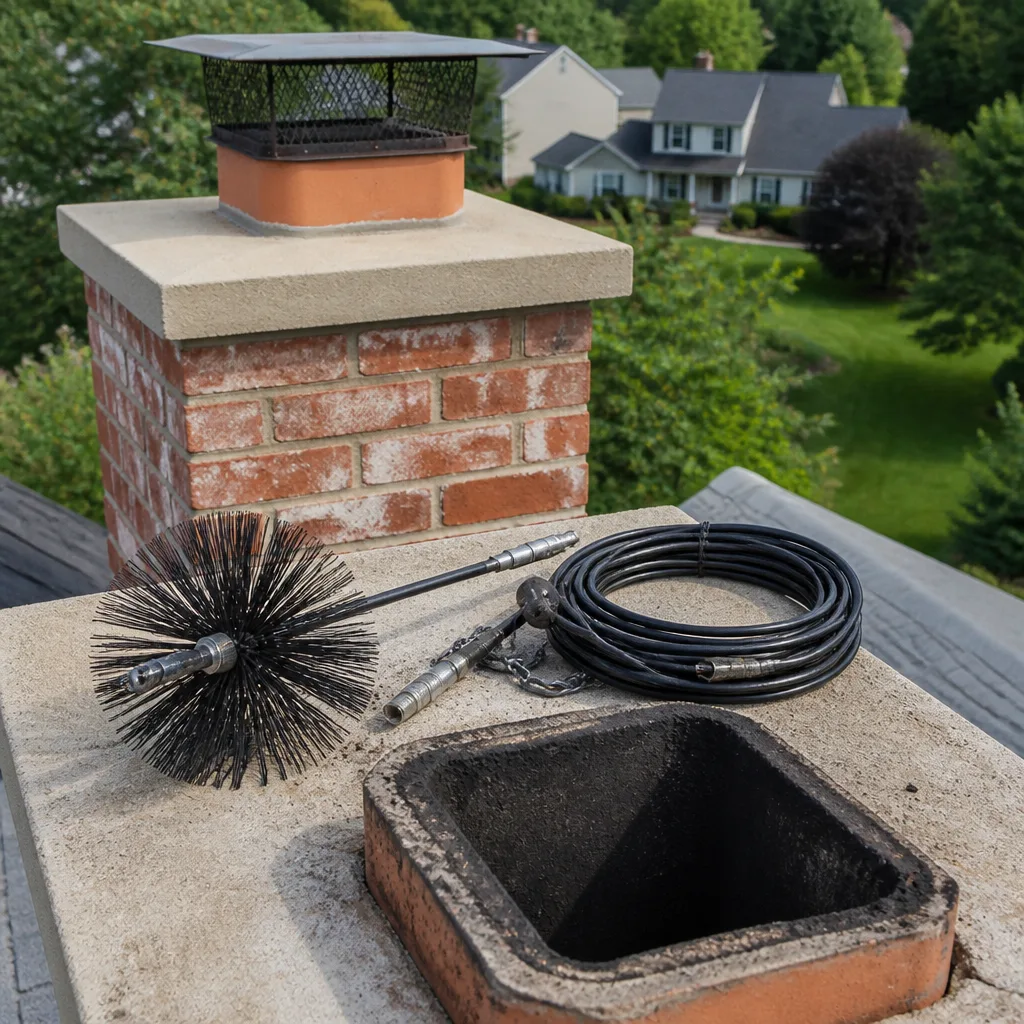 Sweep & inspection
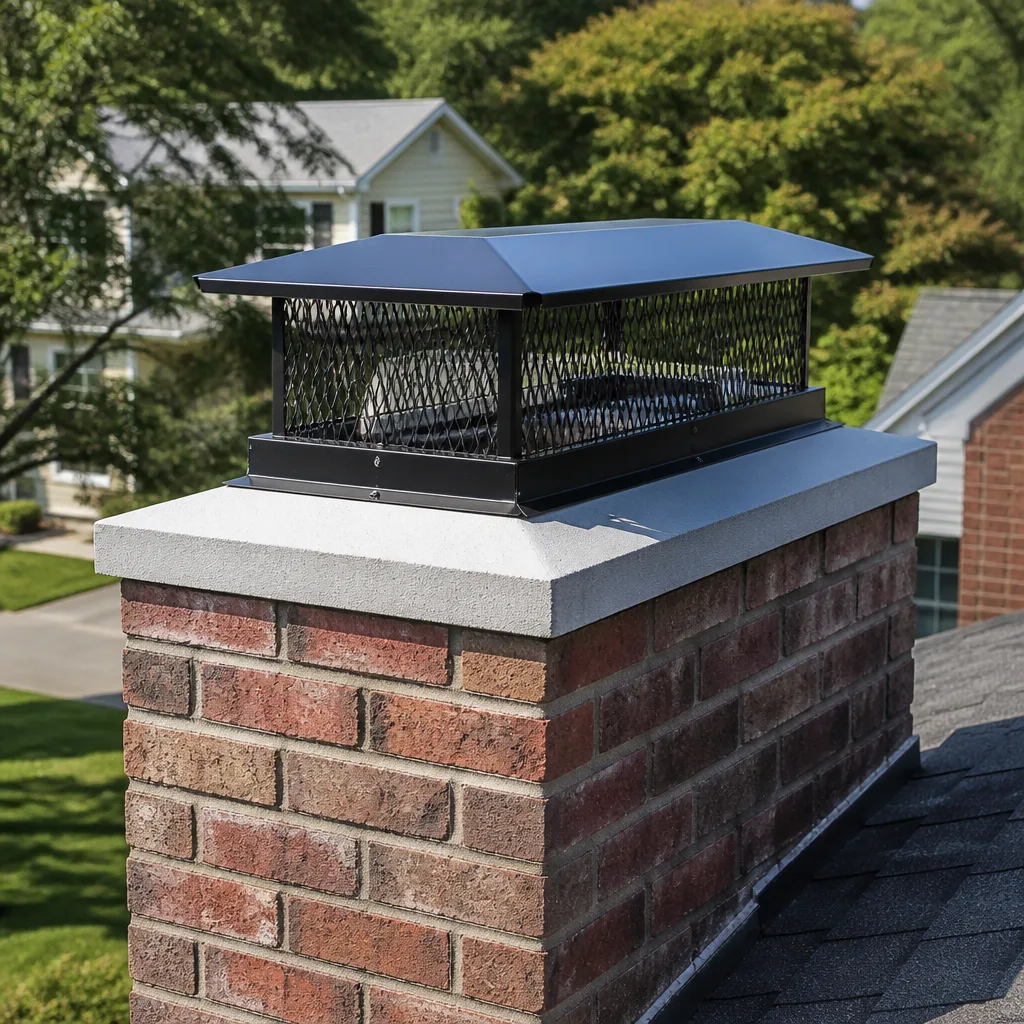 Caps & crowns
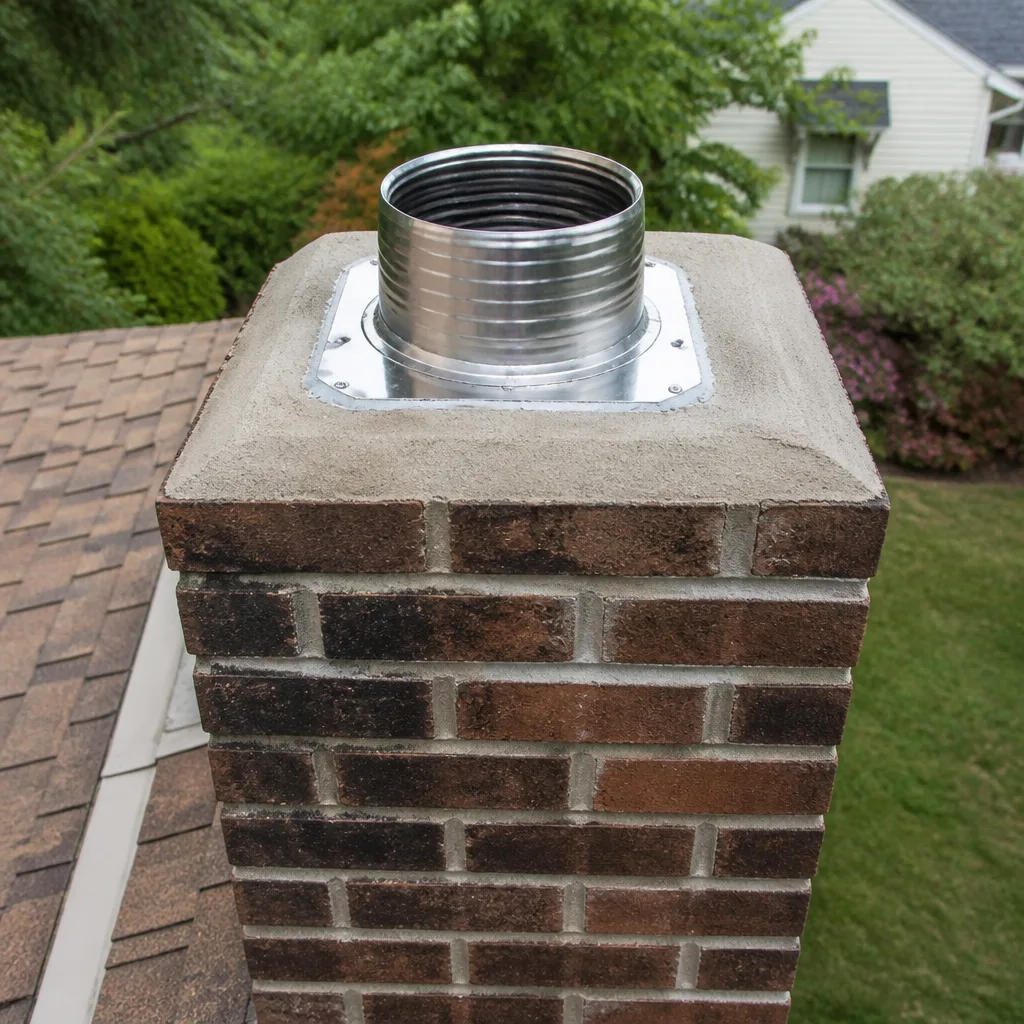 Flue relining
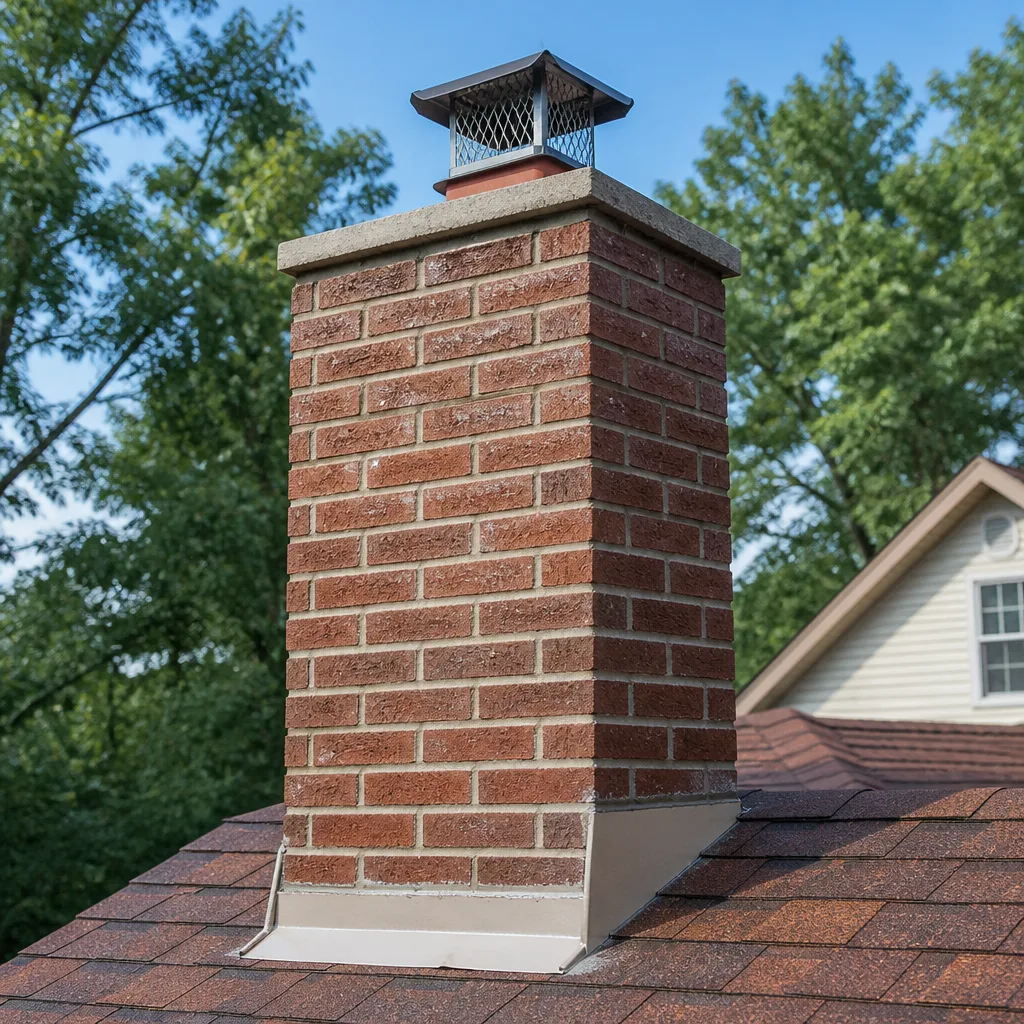 Masonry repair
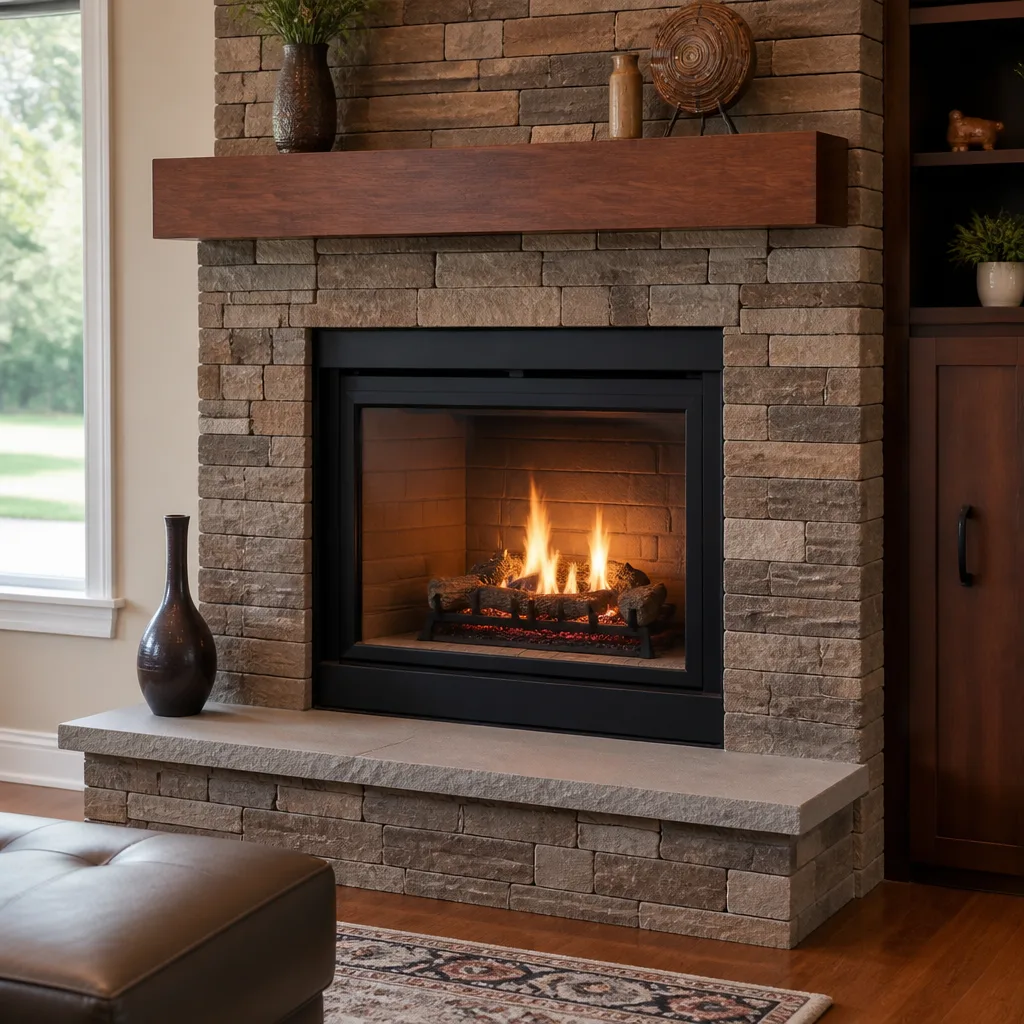 Gas fireplace service
Level 1 sweep and inspection to the NFPA 211 annual standard - flue, crown, cap, and flashing checked and photographed
Chimney sweep logs do not sweep chimneys. They loosen some creosote - which then falls where a brush and vacuum still have to collect it.
Chimney Sweep Maintenance Checklist for Green Valley Ranch Homeowners
Most chimney checklists you’ll find online are organized by month, and that’s the first thing that makes them easy to ignore. A calendar tells you the season changed. It doesn’t tell you that your crown has a hairline crack or that your cap screen is torn and a bird has already moved in. A chimney is six or seven separate systems stacked in one structure, and each one fails on its own schedule. This guide is organized the way a technician actually inspects a chimney in Green Valley Ranch: cap first, then crown, flashing, liner, smoke chamber, damper, and firebox, one at a time, with what early failure looks like on each. Read it once and you’ll have a mental model that transfers to inspection day.
Quick Answer
A proper chimney maintenance checklist covers seven components: cap, crown, flashing, liner, smoke chamber, damper, and firebox. From ground level, you can safely check the cap, crown, and flashing for obvious damage. Everything inside the flue and firebox requires a technician with a camera system, and in Green Valley Ranch’s freeze-thaw climate, the crown and mortar joints need a visual check once a year and a professional inspection with every annual sweep.
Styles & brands we work with
- Sweep & inspection
- Caps & crowns
- Flue relining
- Masonry repair
- Gas fireplace service
Table of Contents
- Why a Component Checklist Beats a Seasonal One
- What You Can Check Safely From Ground Level
- The Cap and Crown: Your First Line of Defense
- Flashing: The Seam Most Leaks Come From
- The Liner and Smoke Chamber: Interior Systems
- Damper and Firebox: What You Use Every Fire
- How Green Valley Ranch’s Freeze-Thaw Cycle Attacks Masonry
- Building a Year-Over-Year Condition Log
- Checklist Items That Void Manufacturer Warranties
Why a Component Checklist Beats a Seasonal One
A seasonal checklist assumes everything degrades at the same rate. It doesn’t. The crown weathers from the top down. The liner deteriorates from the inside out, reacting to flue gases and moisture. The flashing fails at the seal, not the metal. When you organize maintenance by component, you start noticing which parts of your chimney are aging faster than the others, and that pattern is what tells a technician where to look closely on inspection day.
Component thinking also changes how you budget. A crown repair is a different scale of job than a liner resurfacing, and knowing which component is showing wear lets you plan instead of react. In Green Valley Ranch, where the housing stock includes everything from newer builds to homes that have been through a decade of Front Range winters, the same seven components apply to every chimney regardless of when it went in.
One more advantage: a component checklist is verifiable. When a technician tells you the crown needs attention, you can walk outside and look at the crown yourself. You can see the crack. That’s the point of organizing maintenance this way, and it’s why nothing should be recommended to you that you can’t confirm with your own eyes or on a camera screen.
What You Can Check Safely From Ground Level
Some chimney conditions are visible from your yard, the driveway, or standing on the ground with a pair of binoculars. A few others demand a technician on the roof with a camera. Knowing the difference keeps you off a ladder you have no business climbing.
Safe to observe from the ground:
- Cap condition: Is the cap still sitting straight and level? A cap that’s tilted or missing is visible from below.
- Cap screen or mesh: Torn mesh or a missing screen often shows as a gap. Birds and squirrels find those gaps fast.
- Crown cracks: Look at the mortar crown at the top of the stack. Hairline cracks and crumbling edges are visible with binoculars.
- Flashing: The metal where the chimney meets the roof. Look for lifted edges, rust streaks, or gaps against the shingles.
- Mortar joints: Missing or receding mortar between bricks shows as dark recessed lines; efflorescence shows as white staining.
- Staining: Water streaks on the exterior of the chimney or on interior walls and ceilings near the chimney.
Requires a technician with a camera system:
- Liner interior: Cracks, gaps, separation at joints, and glaze buildup are all inside the flue.
- Smoke chamber: The sloped area above the damper needs to be viewed from inside, not above.
- Damper operation: Whether it seals, opens fully, and moves smoothly is tested in person.
- Firebox interior: Cracked firebrick and mortar joints in the firebox are inspected up close.
- Creosote thickness: Measured and photographed from inside the flue.
The ground-level check is a habit worth building. Doing it a couple of times a year gives you a baseline so you notice when something changes. It doesn’t replace the inspection, and it’s not supposed to.
The Cap and Crown: Your First Line of Defense
The cap sits on top of the flue and keeps out rain, snow, birds, and squirrels. The crown is the mortar-and-concrete slope beneath it, designed to shed water away from the masonry. When both are intact, most water problems never start. When either fails, water gets into the masonry and the damage compounds from the inside.
What to look for on the cap
- Rust-through on the metal, usually at the seams or the mounting points.
- Torn or missing mesh. If a bird found its way into the flue, the cap failed.
- A cap that’s tilted, loose, or sitting off-center.
- Gaps between the cap and the flue tile, which let rain blow in sideways.
What to look for on the crown
- Hairline or wider cracks, especially ones running outward across the slope.
- Crumbling or spalling at the edges, where freeze-thaw does the most damage.
- Separation between the crown and the flue tile.
- Rust stains or staining on the crown face, which usually means water is pooling somewhere it shouldn’t.
Caps are not a universal part. Fit matters, which is why we install Gelco and Famco covers built to the actual flue size rather than a generic hardware-store cap clamped on with a strap. A poorly fitted cap can be worse than no cap, because it blocks the flue unevenly and traps moisture. When the crown needs repair, a proper repair rebuilds the slope, not just a smear of sealant. That’s the same conversation as our chimney cap & crown work, and it’s worth having before a crack reaches the flue tile.
Flashing: The Seam Most Leaks Come From
Flashing is the metal that seals the joint where the chimney passes through the roof. It’s also the source of most chimney-related water leaks, because it’s a joint rather than a solid surface. If you have a leak and the crown looks fine, the flashing is the next suspect.
Flashing usually fails in one of three places. First, the sealant where the flashing meets the chimney or the shingles: sealant is a wear item and it dries out and cracks. Second, the metal itself: rust-through or a lifted edge. Third, the counter-flashing, the piece set into the mortar joints on the chimney side, which can work loose over time. Any of the three lets water behind the flashing and into the roof deck rather than down the outside of the chimney.
From the ground, look for lifted edges, rust streaks running down the chimney or roof, and gaps at the base of the flashing. From inside, look for staining on the ceiling near the chimney, which often shows up after a heavy snowmelt. Flashing is repairable without tearing into the chimney, and catching it early keeps the fix small. Inspecting the flashing alongside the cap and crown is part of what a technician checks on the roof during a routine chimney sweep visit, and it’s one of the most common reasons a chimney is flagged for follow-up.
The Liner and Smoke Chamber: Interior Systems
The liner is the flue’s inner wall. It keeps flue gases and heat inside the flue and away from the surrounding framing and masonry. The smoke chamber is the sloped area just above the damper that funnels smoke into the flue. Both are interior systems, which means neither one is safe to inspect from the ground, and neither should be diagnosed without a camera.
The liner
- Clay tile liners can crack at the joints or split along the length of a tile.
- Metal liners can separate at the seams or develop gaps at the top and bottom connections.
- Heavy glaze creosote (grade III) cannot be swept off with a brush; it needs a different approach.
- Any gap in the liner that exposes framing, insulation, or masonry is a serious condition.
This is where we’ve seen the widest gap between what homeowners expect and what a camera shows. A cracked clay tile liner isn’t necessarily a full-relining job. HeatShield resurfacing can restore a deteriorating liner from the inside without tearing out the old one, and it solves a lot of the moderate cases we encounter in Green Valley Ranch. It isn’t appropriate for every liner, and the decision has to rest on what the camera actually shows. That’s why we don’t recommend relining over the phone.
The smoke chamber
The smoke chamber is often left rough from the original build. Rough surfaces catch creosote and slow the draft. When the chamber walls are heavily coated, the fireplace smokes back into the room even when the flue is otherwise clean. The camera inspection is the only way to see the condition, and cleaning it is part of a full sweep, not an add-on.
Damper and Firebox: What You Use Every Fire
The damper is the metal door above the firebox that controls whether the flue is open or closed. It’s a moving part, so it wears. The firebox is the brick or refractory-lined chamber where the fire actually sits, and it takes the most direct heat of any part of the system.
The damper
- Does it open fully and close flush? A damper that sticks partway open wastes heat and lets the house lose conditioned air up the flue when there’s no fire.
- Does it seal? A warped or rusted damper that doesn’t seal lets cold air down the chimney in winter, and that cold air can chill the flue and worsen draft.
- Does the handle move smoothly? A handle that needs force is often a sign the damper pivot is rusted or misaligned.
The firebox
- Cracked firebrick, especially in the back wall, is common and needs attention before it grows.
- Missing or receded mortar joints between firebricks let heat reach the masonry behind them.
- Loose or spalling brick near the floor of the firebox often means water has been getting in.
- A metal firebox insert with warped panels or burned-through seams is a replacement decision, not a repair.
Damper and firebox work falls under fireplace repair, and it’s the part of the checklist most tied to how you actually use the fireplace. A firebox that looks fine in the summer can crack in the first few fires of the season, which is why the inspection belongs before the burning season rather than after it.
How Green Valley Ranch’s Freeze-Thaw Cycle Attacks Masonry
Green Valley Ranch sits at Front Range elevation east of the mountains, where winter days often warm above freezing and nights drop well below it. That pattern repeats through the cold months and produces the freeze-thaw cycle: water gets into a crack or a porous mortar joint during the day, freezes overnight, expands, and pushes the masonry apart a little more each time. It’s the single biggest driver of masonry damage along the Front Range, and it works on every exposed surface of the chimney.
What freeze-thaw does, component by component:
- The crown: Water sits in a hairline crack, freezes, widens the crack, and repeats. This is how a hairline becomes a chunk of missing crown in a few seasons.
- Mortar joints: The joints between bricks are the softest part of the masonry and absorb water readily. Repeated freezing pushes mortar out of the joint and opens a channel for more water.
- Brick faces: Spalling, where the face of a brick flakes off, is a classic freeze-thaw symptom. Once the face is gone, the brick absorbs more water and the cycle accelerates.
- The cap: A cap that doesn’t shed water away from the flue lets meltwater pool right at the joint where the crown meets the flue tile.
The practical takeaway for Green Valley Ranch homeowners is that masonry damage here is progressive, not sudden. The small crack you see in fall is the same crack that will look much worse by spring. That’s why the crown and mortar joints are on the annual visual check and why catching them early is the entire game.
Building a Year-Over-Year Condition Log
A condition log is the cheapest maintenance tool you’ll ever use. The idea is simple: each time you do a ground-level check, write down what you see, one line per component. Next year you compare. Progressive deterioration is hard to see in a single glance and easy to see in a comparison, and that comparison is what tells you when a repair stops being optional.
What to log, and how:
- Date and conditions. Record the date and the weather. Freeze-thaw damage is easiest to spot after a hard winter, and knowing when you looked tells you when the change happened.
- Cap. Condition of the metal, the screen, and the fit. Note any bird activity around the flue.
- Crown. Cracks by length and location; spalling; anything separating from the flue tile.
- Flashing. Any lift, rust, or gap. Note any stain on the chimney or ceiling.
- Mortar and brick. Note any missing mortar, spalling, or white efflorescence.
- Interior. Any water staining near the chimney, any smoking back into the room, any draft complaint in cold weather.
- Technician findings. Keep the camera inspection findings and photos with your log, whether from us or another inspector. Photos make comparisons much sharper than notes alone.
Two years of entries is enough to spot a pattern. Once you have three, you can usually predict what to budget for. That’s a lot of value from a few minutes with a notebook twice a year.
Checklist Items That Void Manufacturer Warranties
Factory-built and zero-clearance fireplaces come with manufacturer instructions that spell out how the unit must be maintained, and skipping certain items can void the warranty. It’s worth understanding which items those are, because the warranty doesn’t come back once it’s gone.
- Skipping the annual inspection. Most factory-built fireplace warranties require documented annual inspection, and a gap in the record is usually enough for a claim to be denied.
- Sweeping with the wrong method. Metal liners and certain factory-built flues can be damaged by an aggressive brush or one that isn’t matched to the liner material. Damage from improper sweeping isn’t covered.
- Running the unit with a damaged liner. Continuing to burn with a known liner defect is typically treated as owner neglect, and it’s also dangerous.
- Installing an unapproved cap or component. Aftermarket parts that aren’t specified for the unit can void coverage on the affected components. This is one reason we fit manufacturer-specified covers on the units that require them.
- Burning unapproved fuels. Burning trash, treated wood, or oversized loads can overheat the unit and damage components in ways the warranty won’t cover.
Keep your inspection reports and product documentation together. If you ever sell the home, that file is also what a buyer’s inspector will want to see, and it’s what we document every inspection to support.
Common Mistakes to Avoid
- Skipping the cap check because the fireplace works fine. A missing or failed cap doesn’t affect how the fireplace burns, so it goes unnoticed until water damage or a bird in the flue shows up. This is the most common thing we find on a first inspection.
- Assuming a clean flue means a safe chimney. The sweep removes creosote; the inspection catches cracked liners, failing crowns, and firebox damage. They’re two different jobs, and the sweep without the inspection leaves the checklist half done.
- Using sealant as a crown repair. A smear of sealant over a freeze-thaw crack looks like a fix for one season and then fails. A proper crown repair rebuilds the slope.
- Waiting until the first cold snap to book anything. Green Valley Ranch’s burning season arrives fast, and inspections booked in fall are backed up. Schedule before the season, not during it.
- Ignoring white staining on the brick. Efflorescence is a sign water is moving through the masonry, and it’s usually the first visible sign of a problem that’s already active.
- Letting a generic cap get installed by a generalist. A cap that doesn’t fit the flue size blocks the flue unevenly and traps moisture. Fit is the whole job.
- Skipping the log. Without a record, you can’t tell a stable crack from one that’s grown. That’s how small problems become surprises.
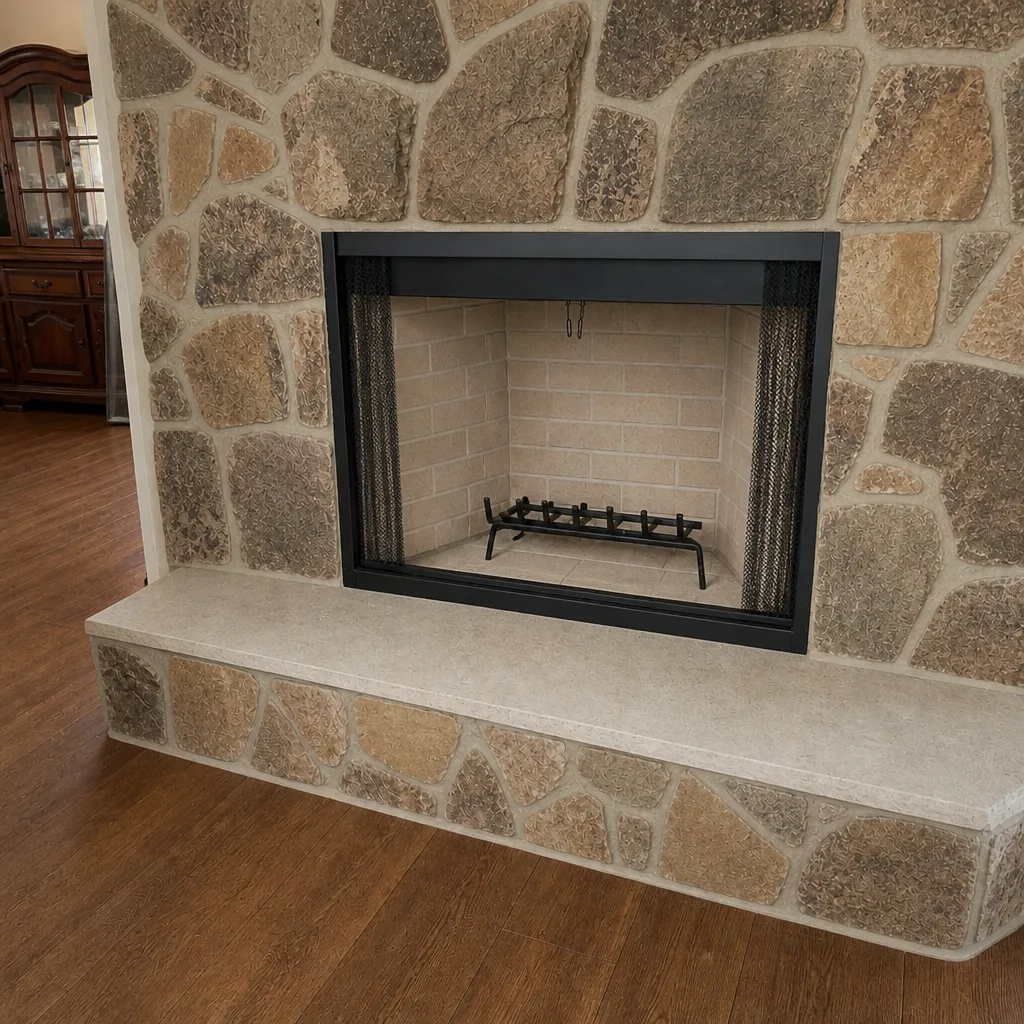
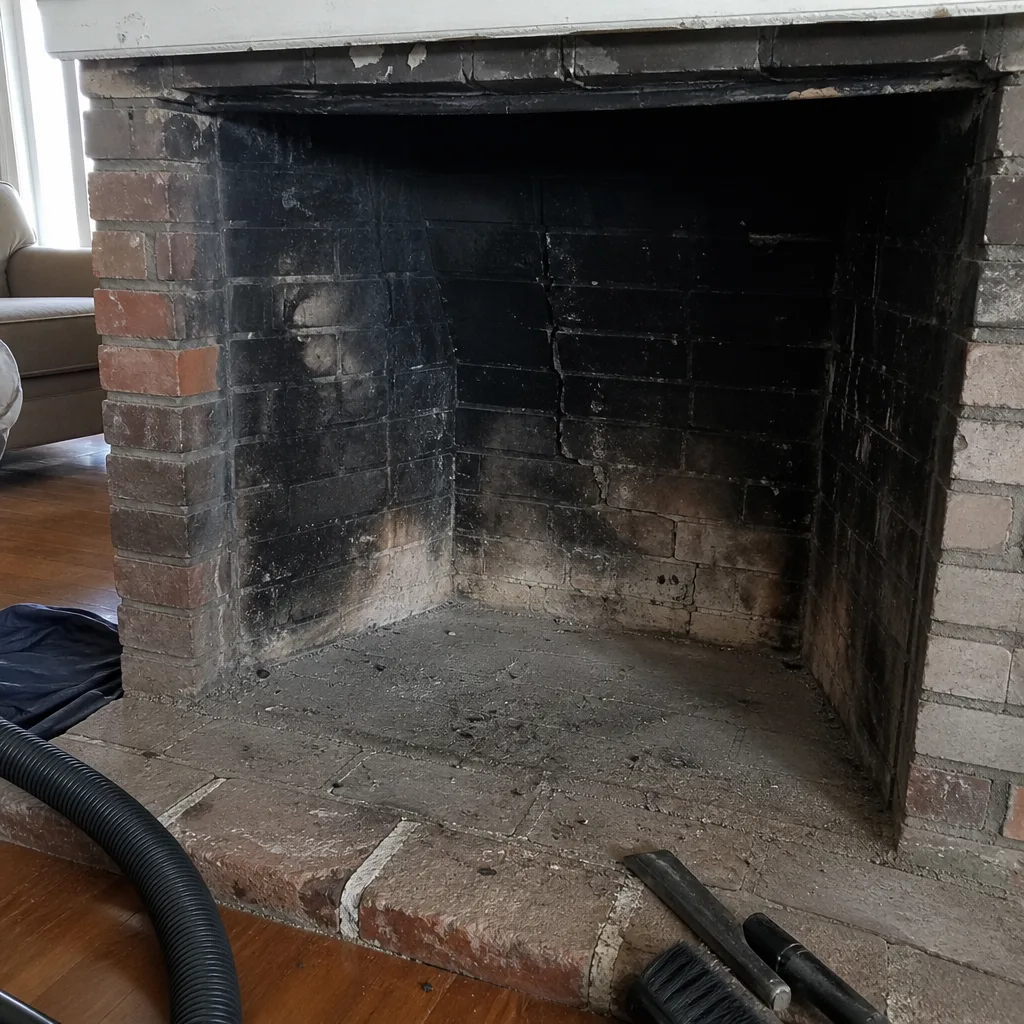
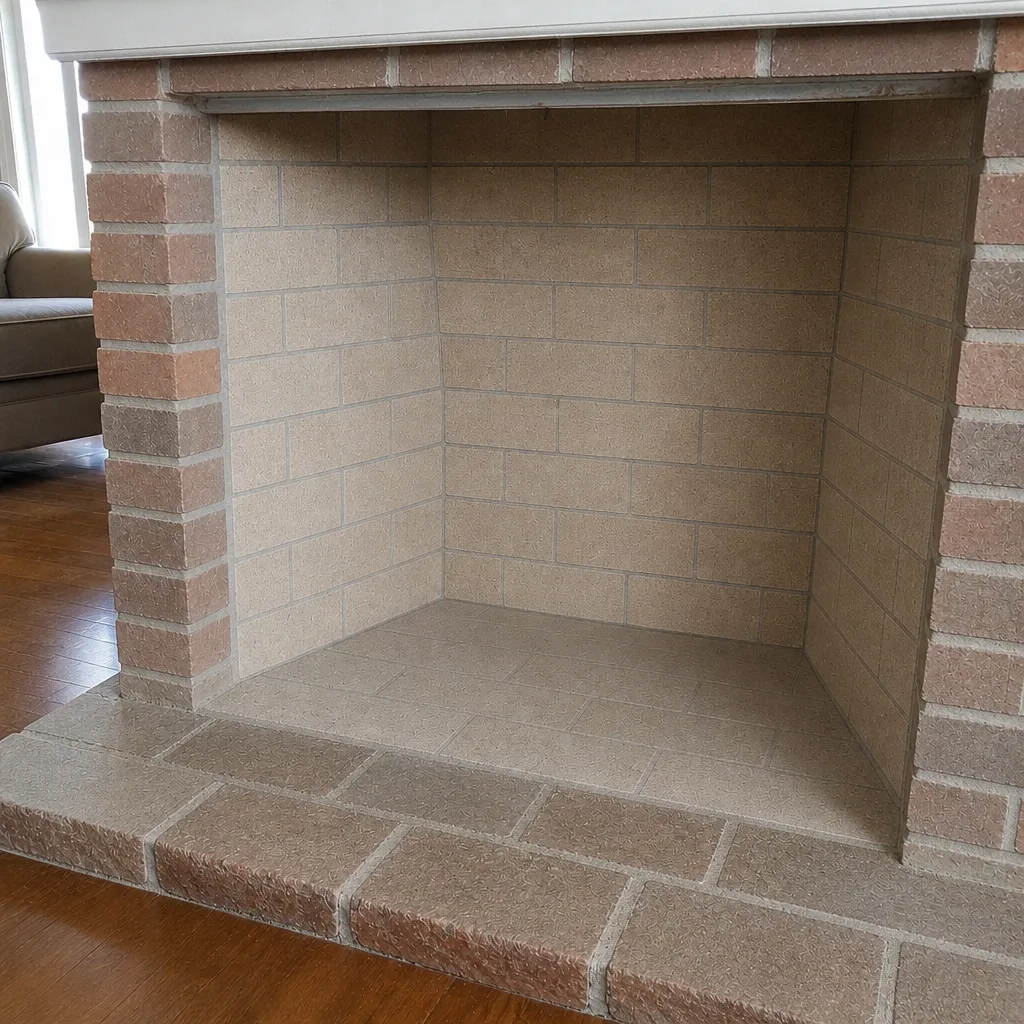
See the difference
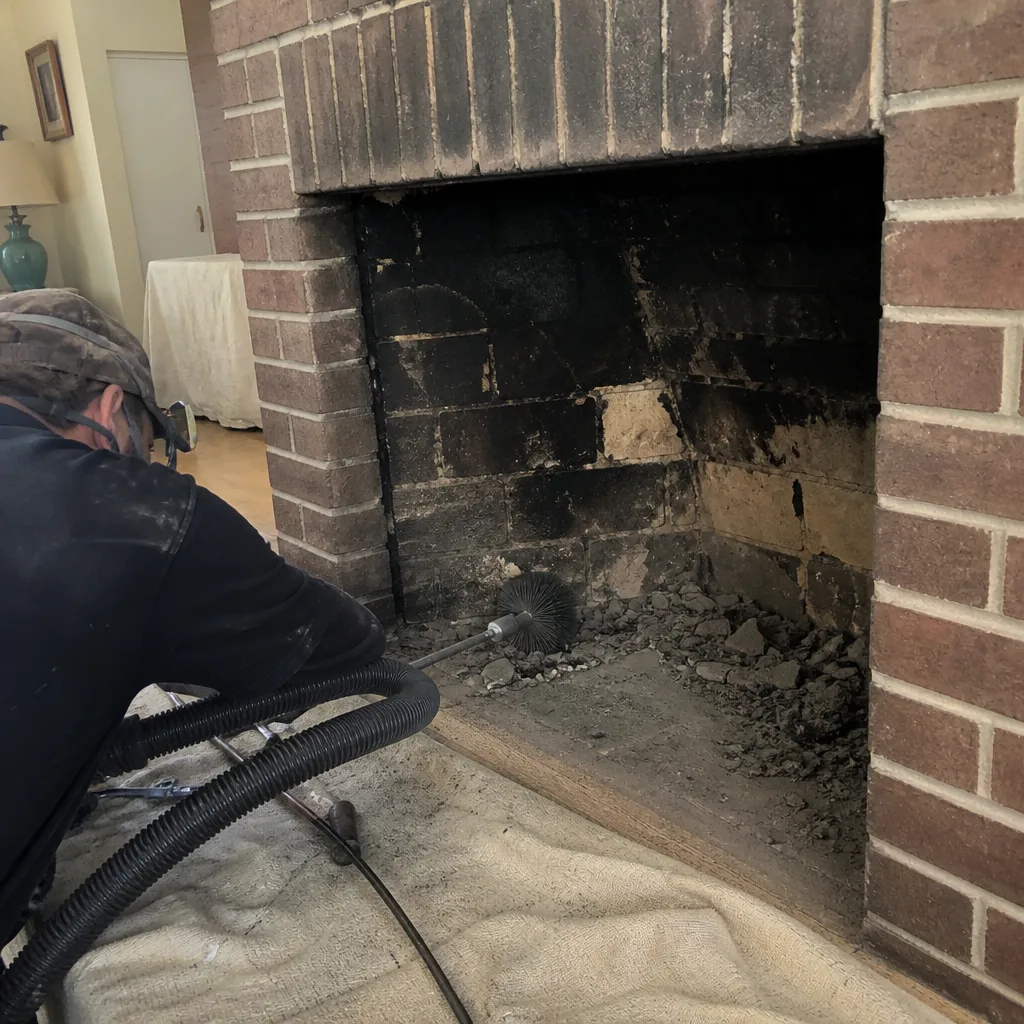 Before
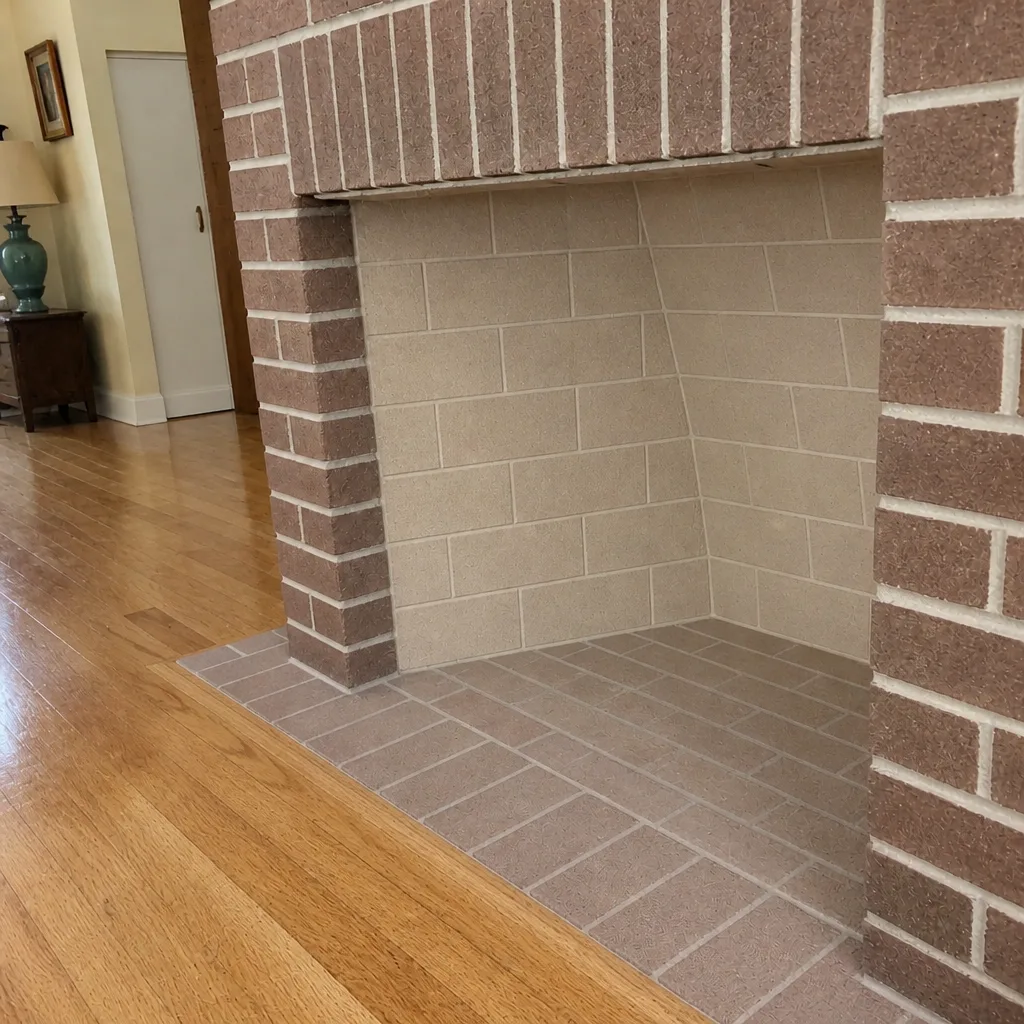 After
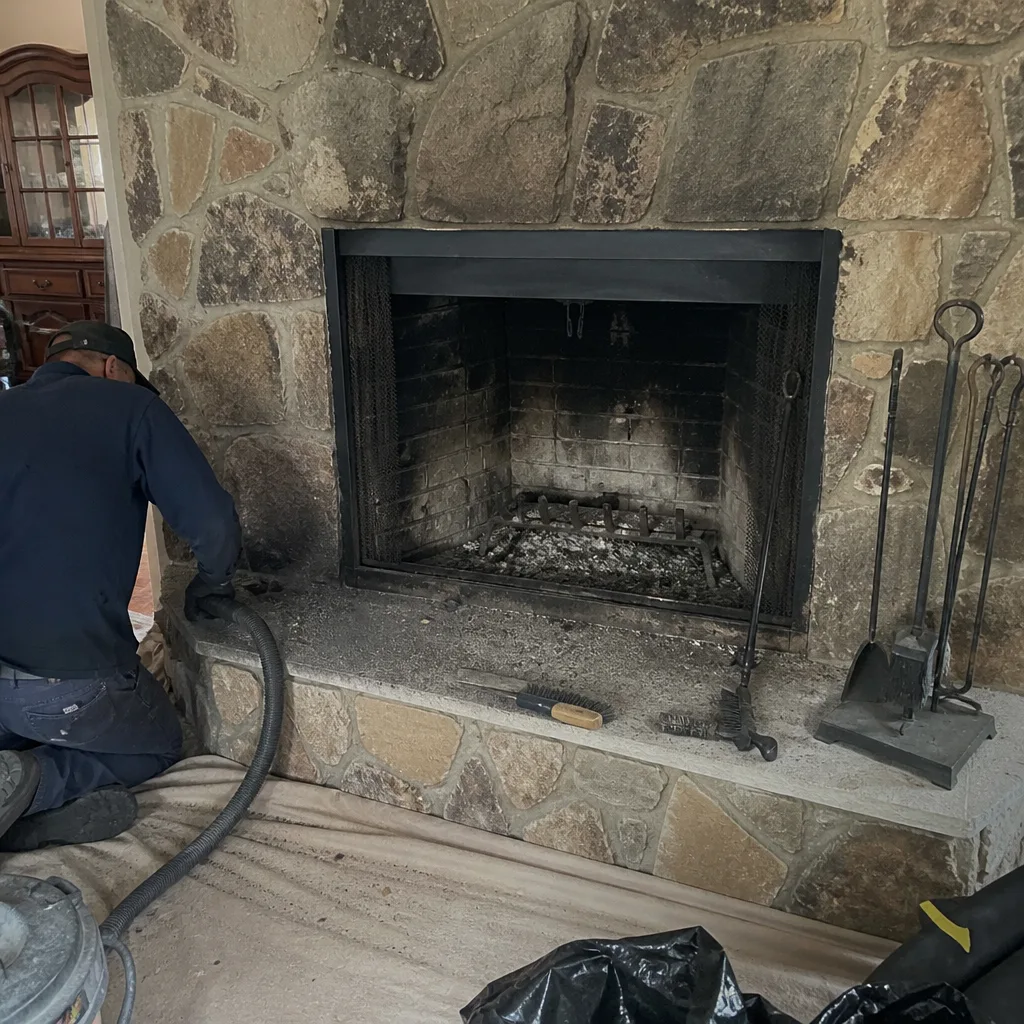 Before
 After
 Before
 After
When to Call a Professional
Call a professional whenever the checklist points to something inside the flue, the firebox, or the smoke chamber. Those systems are not safely observable without a camera, and a generalist handyman doesn’t have the equipment or the product knowledge to diagnose them well. Call sooner rather than later if you’re seeing water staining near the chimney, smoke coming back into the room, a damper that doesn’t seal, or a crown crack that’s growing. Call immediately if you smell gas from a gas appliance connected to the chimney, or if you see soot flakes or creosote buildup on the firebox walls.
Annual inspection is the baseline for everyone with a wood-burning fireplace, and it’s worth more than any other item on this checklist. Chimney Sweep Green Valley Ranch offers free estimates in Green Valley Ranch, and the same technicians who inspect your chimney also perform the repair. Call (833) 918-5339. We answer 24/7. Fast dispatch from 7am to 7pm, Sunday through Friday.
Frequently Asked Questions
Once a year for a wood-burning fireplace under normal use, and more often if you burn heavily or notice creosote buildup. The annual sweep is also the natural slot for the inspection, and doing both at once gives you a complete picture of all seven components. Call (833) 918-5339 for an exact quote.
You can inspect the cap, crown, and flashing from the ground, and you should. You cannot safely inspect the liner, smoke chamber, damper, or firebox without a camera and the training to interpret what it shows, and climbing on the roof to look is a fall risk. Leave the interior inspection to a technician.
It expands water that gets into cracks and porous mortar, widening those cracks a little more with each cold night. Over a few winters, a hairline crown crack can become a chunk of missing crown, and mortar joints can open up enough to let water into the masonry. Catching it early is the whole game.
No. A cracked crown is progressive, not urgent, and it can usually be repaired before the next cold season without risk to the chimney. Book an inspection and get the repair documented; there’s no reason to panic about a hairline crack you just noticed.
It can. Most factory-built and zero-clearance fireplace warranties require documented annual inspection and proper sweeping, and a gap in the record or damage from improper sweeping is typically enough to deny a claim. Keep your inspection reports.
You lose the early warning on liner and crown problems, and those are the repairs that grow the fastest. A cracked liner left alone can expose framing to flue gases, and a failing crown lets water into the masonry all winter. The inspection is the cheapest line item on this checklist and the one that prevents the biggest bills. Call (833) 918-5339 for an exact quote – estimates are free.
The Bottom Line
A chimney checklist works when it’s organized around the components, not the calendar. Seven systems, seven failure modes, one annual inspection. Check the cap, crown, and flashing from the ground. Log what you see every year so you can tell a stable crack from a growing one. Leave the liner, smoke chamber, damper, and firebox to a technician with a camera, and never authorize a repair you can’t confirm with your own eyes. In Green Valley Ranch, the freeze-thaw cycle is what turns small masonry defects into repairs, and the crown and mortar joints are where it shows first.
If you’re ready to get the full inspection done, or you want a second look at something a previous inspector flagged, reach out. We work with professional-grade product lines including DuraFlex, HeatShield, Gelco, Olympia Chimney, Famco, and Copperfield, and the same technician who inspects your chimney is the one who performs the repair.
Send us a call for a free estimate. Call (833) 918-5339. We answer 24/7. Fast dispatch from 7am to 7pm, Sunday through Friday. Start with Chimney Sweep Green Valley Ranch; our technicians have up to 15 years of experience and we’re glad to walk you through what the inspection will cover.
Written by the team at Chimney Sweep Green Valley Ranch.