
Last updated November 24, 2026
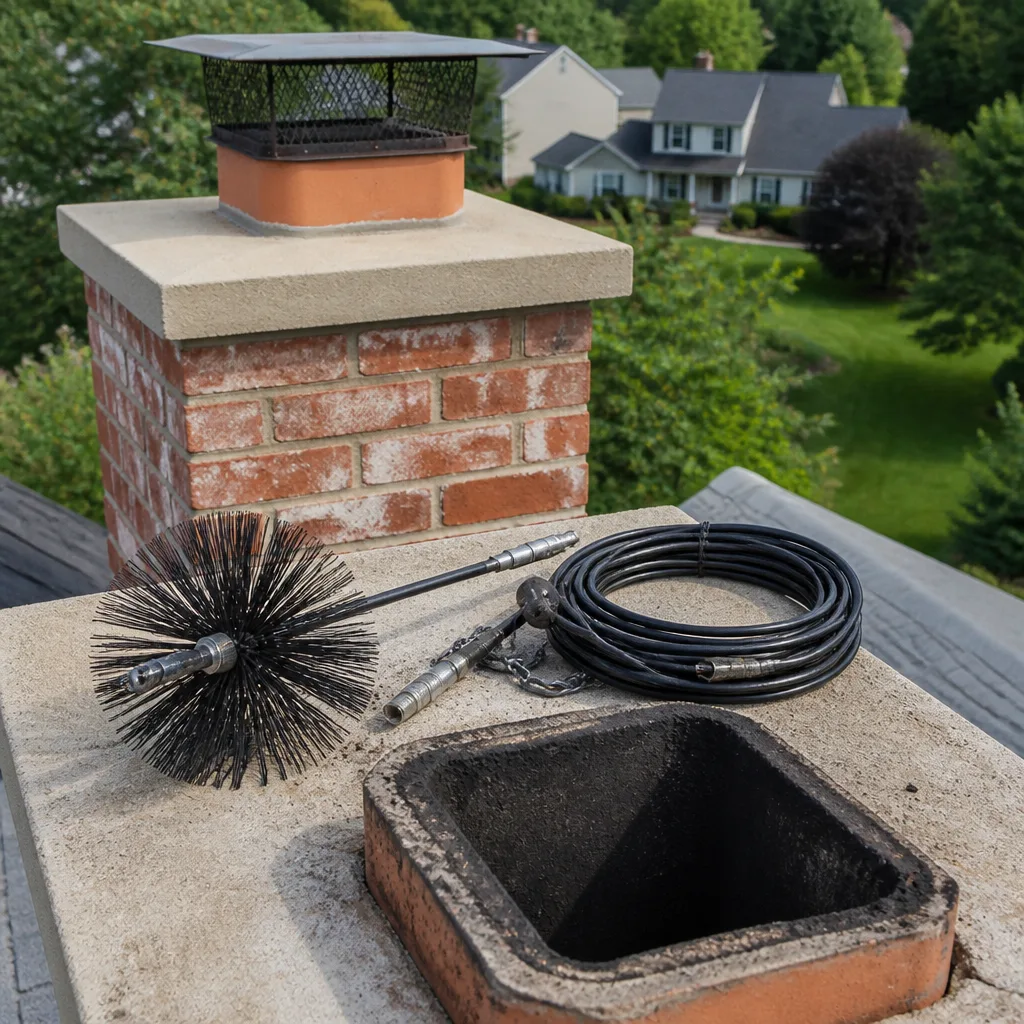 Sweep & inspection
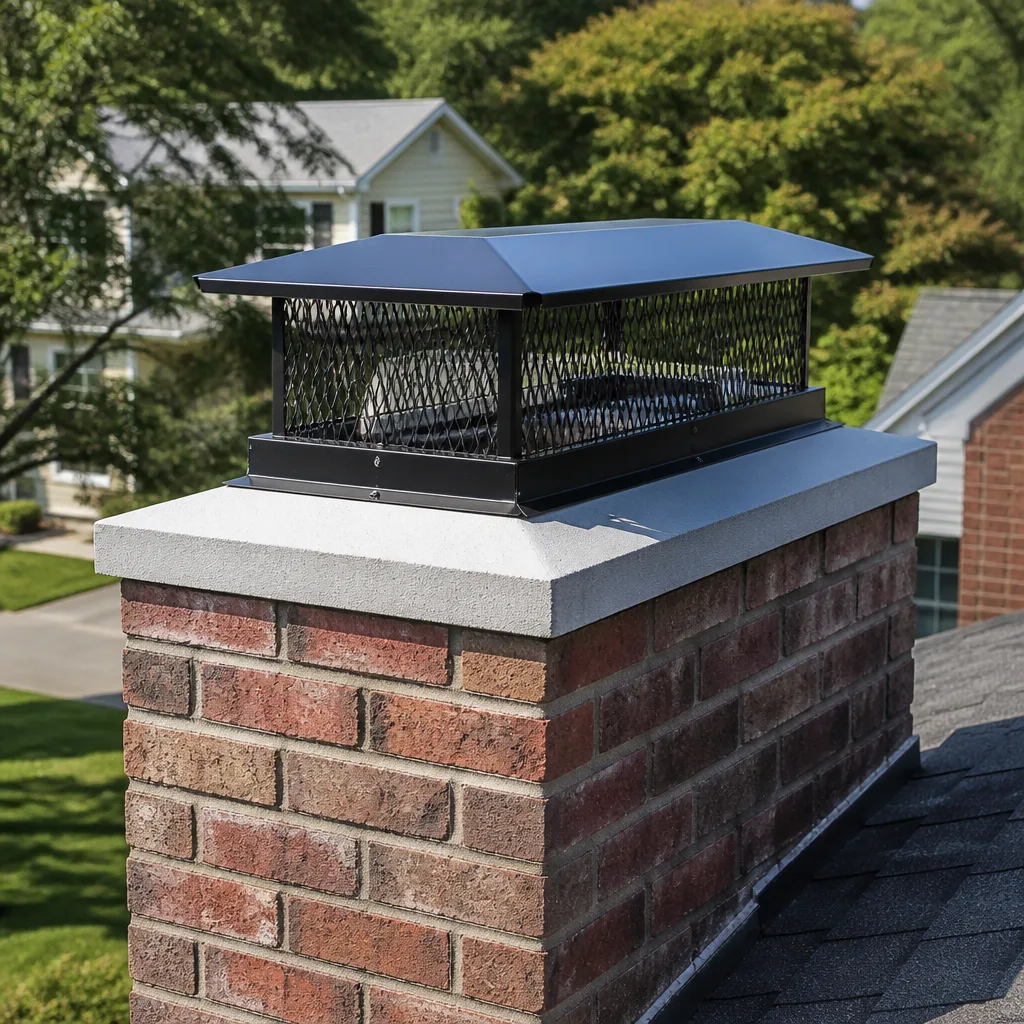 Caps & crowns
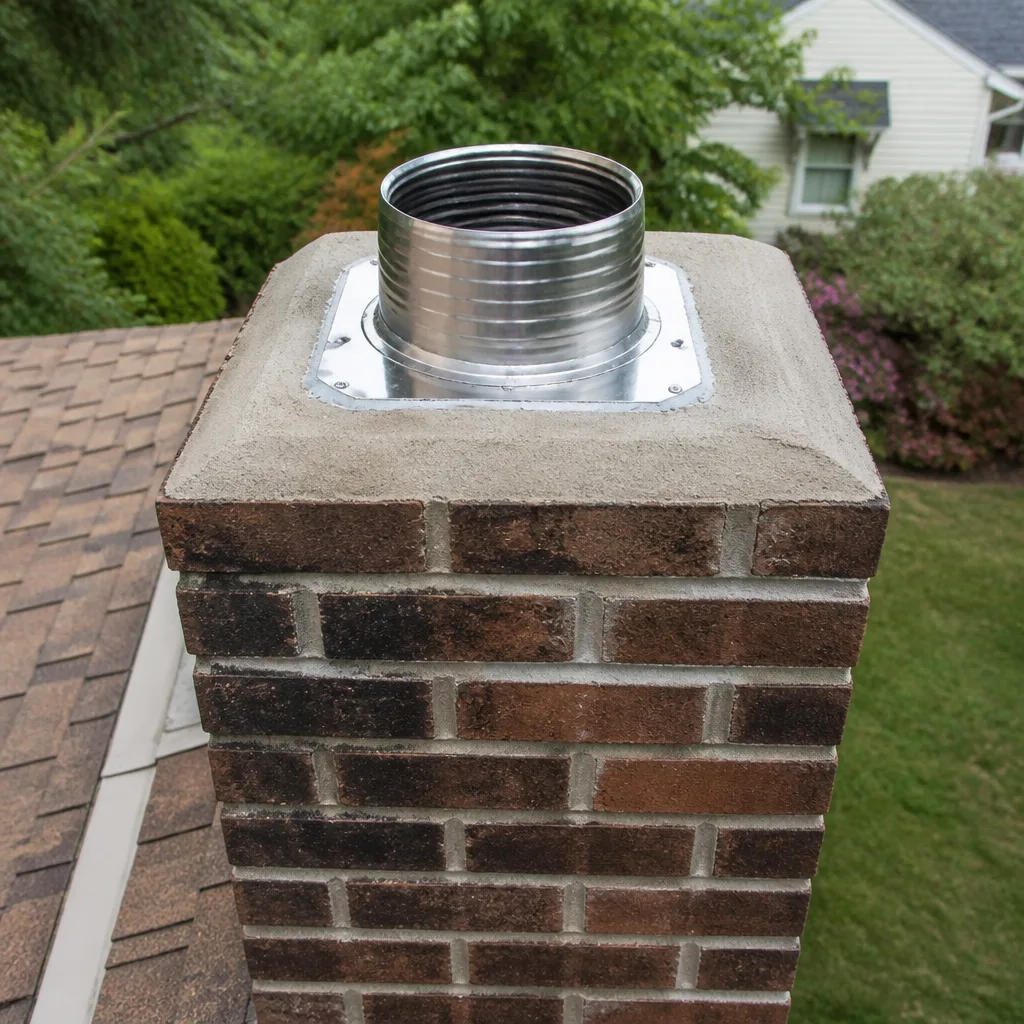 Flue relining
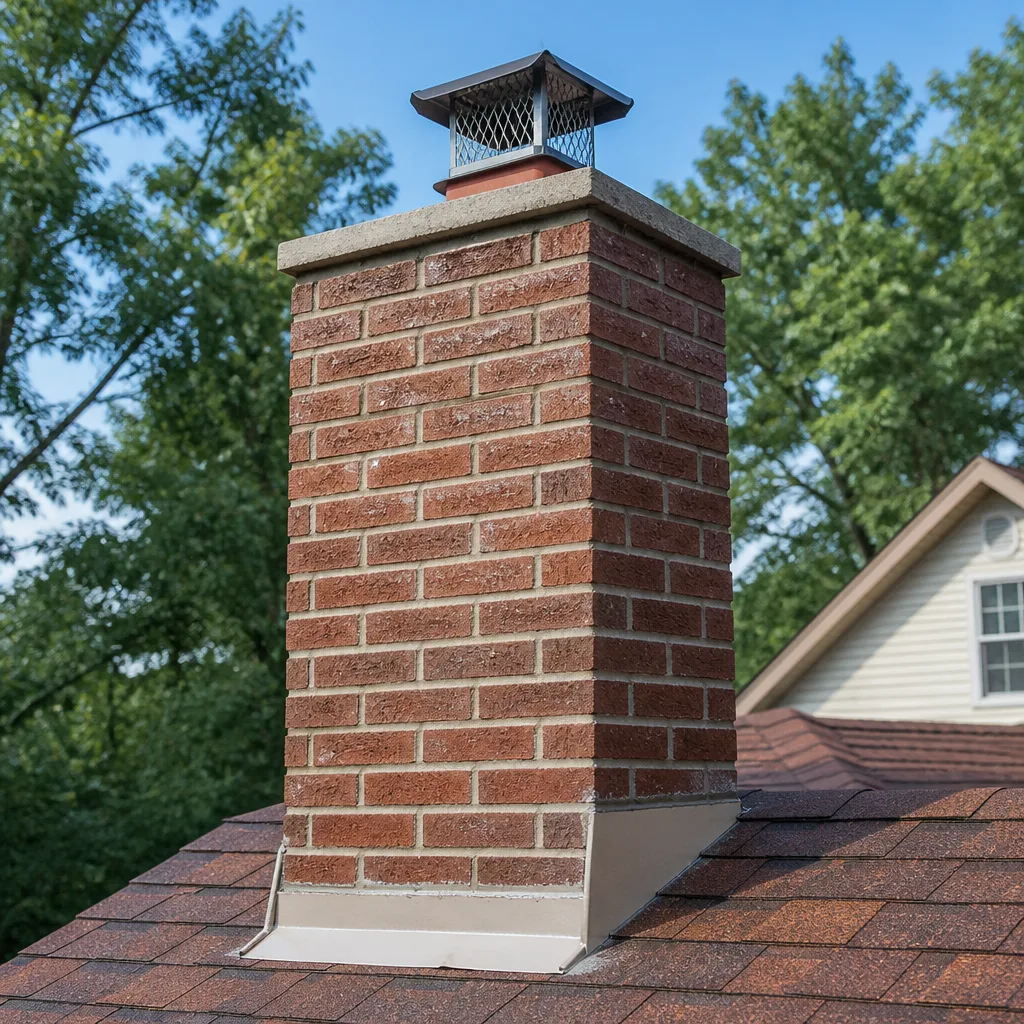 Masonry repair
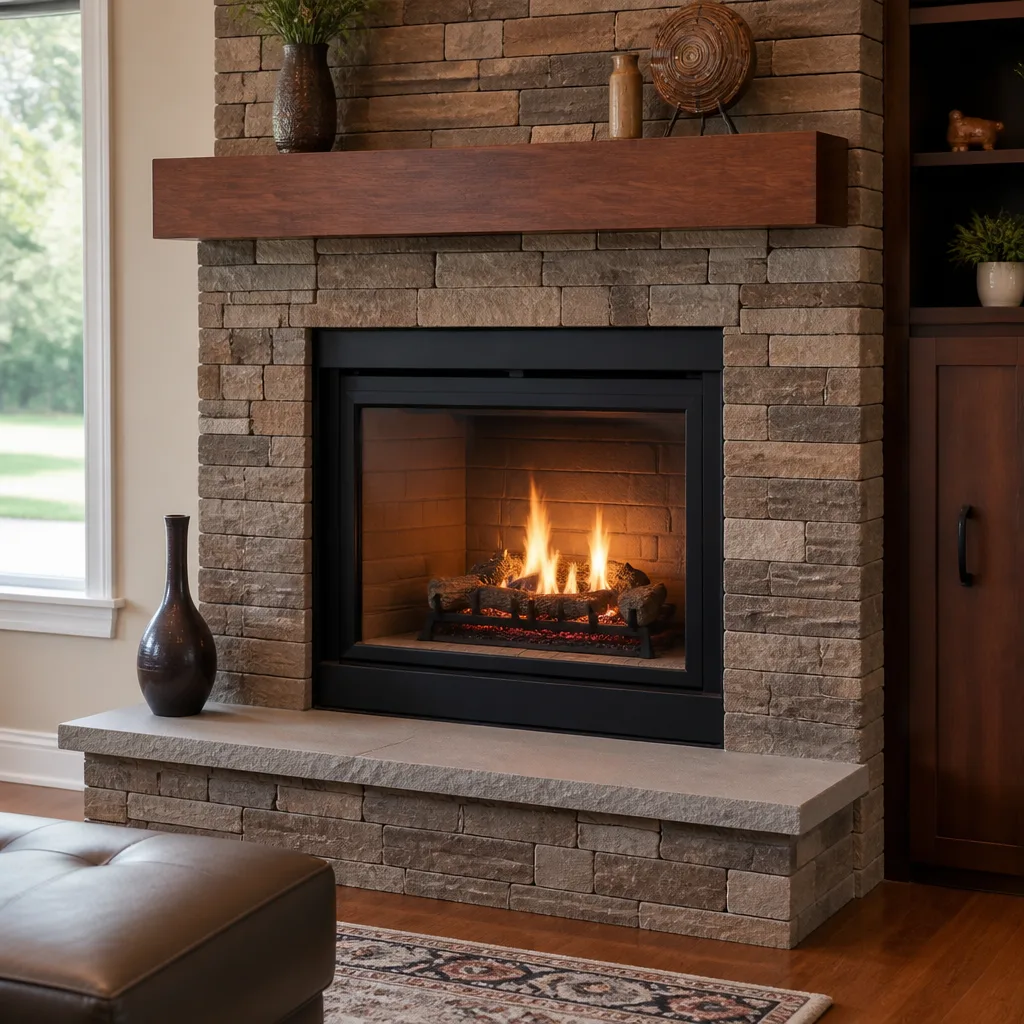 Gas fireplace service
Level 1 sweep and inspection to the NFPA 211 annual standard - flue, crown, cap, and flashing checked and photographed
Chimney sweep logs do not sweep chimneys. They loosen some creosote - which then falls where a brush and vacuum still have to collect it.
The Complete Guide to Chimney Cleaning in Green Valley Ranch
Most homeowners assume a chimney either drafts or it doesn’t, and that if smoke goes up the flue, everything below the roofline is fine. That assumption is the one we spend the most time correcting. In Green Valley Ranch, a flue can pass a glance from the ground, draw well on a mild afternoon, and still be carrying a creosote layer thick enough to change how the whole system behaves under a real fire. The reason comes down to where this neighborhood sits: high, dry, and cold in a way that shapes combustion from the first match. This guide walks through the full cleaning process as it actually applies here. You’ll learn how our local conditions affect creosote, what each inspection level covers, which tools belong in which liner, and when cleaning alone is enough.
Quick Answer
Chimney cleaning in Green Valley Ranch means removing creosote, soot, and ash from the flue and firebox, then inspecting the full system to confirm it vents safely. It usually takes one visit and finishes with a documented report. Most wood-burning chimneys here need sweeping once a year, and gas or pellet systems need an annual inspection even when there’s little visible soot. Call (833) 918-5339 with your flue type and we’ll book the right service.
Styles & brands we work with
- Sweep & inspection
- Caps & crowns
- Flue relining
- Masonry repair
- Gas fireplace service
Table of Contents
- Why Elevation and Dry Air Change How Your Chimney Fouls
- The Three Stages of Creosote and When to Act
- What Level 1, 2, and 3 Inspections Actually Cover
- Matching the Brush and Tool to Your Liner Material
- How Cleaning Differs for Wood, Gas, and Pellet Systems
- The Sweep, Step by Step
- How Often Green Valley Ranch Chimneys Need Cleaning
- Common Mistakes to Avoid
- When to Call a Professional
Why Elevation and Dry Air Change How Your Chimney Fouls
Green Valley Ranch sits around 5,700 feet above sea level. At that height, the air is thinner, and every fire you light has roughly 20% less available oxygen than the same fire would get at sea level. Oxygen is the variable most homeowners never think about, but it decides how completely your wood burns. A fire starved of oxygen doesn’t just burn slower. It produces more unburned gases, and those gases are what condense on a cool flue and turn into creosote.
The second half of the equation is humidity. The Denver metro is semi-arid, which means wood dries out fast on the surface and can still hold moisture deep inside. Surface-dry logs that read wet on a split are a common problem in this climate, and damp fuel lowers combustion temperature. A cooler fire sends more vapor up a cooler flue, and cooler surfaces collect deposits faster.
Put elevation and dryness together and you get a deposition pattern specific to places like Green Valley Ranch. It changes how we approach a chimney sweep in Green Valley Ranch:
- Glazed creosote forms faster than lower-altitude guides suggest. Cool flue surfaces on cold mornings and reduced oxygen produce more of the hard, shiny layer that resists a standard brush.
- Burn cycles are shorter but heavier. Many homes here burn in concentrated stretches through the colder months rather than steadily all winter, so each fire is a heavier soot load on a cold flue.
- Draft behaves differently on windy foothill-edge days. Pressure swings push exhaust back down a marginal flue and cause the smoke smell homeowners notice after a fire dies.
- Ash volume is higher. Slower, cooler fires leave more ash in the firebox and smoke shelf, which can back into the firebox when it isn’t cleared.
None of this means a chimney here is doomed. It means the sweep schedule has to account for how fuel actually burns at this elevation, and it’s the reason we look at fuel quality and burning habits alongside the flue itself.
The Three Stages of Creosote and When to Act
Creosote isn’t a single substance. It grades through three stages as it accumulates and reheats, and each stage calls for a different response. Getting this wrong is where homeowners end up paying for a full reline they didn’t need – or ignoring a layer that has already hardened into a fire hazard.
Stage 1: Sooty, Flaky, Easily Removed
This is the normal deposit you find after a season of burning. It’s a light, dusty, flake-off layer that a standard chimney brush removes cleanly. Stage 1 is exactly what a routine annual sweep is designed to clear, and it’s the reason regular sweeping works: you catch the layer while it’s still soft and keep it from reaching Stage 2. If your flue is at Stage 1, a chimney sweep keeps the system safe and no repair is needed.
Stage 2: Hard, Crusty, and Stubborn
Stage 2 creosote is dense and crusty. It clings to the flue wall and a standard brush passes over it. This is the stage most common in Green Valley Ranch homes because the oxygen-starved, cooler fires here deposit hard layers faster. Stage 2 is where a plain sweep isn’t enough. The deposit has to be broken down with the right tooling and contact time, and it’s why we favor professional-grade products rather than brute-force brushing that scores the liner.
Stage 3: Glazed, Shiny, and a Fire Risk
Stage 3 is the hard, glassy glaze that re-dried after a hot fire and baked onto the liner. It’s not just a cleaning nuisance; it’s concentrated fuel with nowhere to go. A flue at Stage 3 is a genuine hazard that needs professional intervention, and no homeowner should try to burn it off with a hot fire – that’s how a chimney fire starts. When we find Stage 3, we document it with photos and talk through options. Often that means a full sweep with the right tooling, and where the liner surface has deteriorated, resurfacing with HeatShield can restore it without a full reline.
Marking the line between stages isn’t guesswork in our work. Every inspection is documented with photos so you can see what we see and judge the timing yourself. We say plainly when a Stage 2 layer can safely wait for the next sweep and when a Stage 3 glaze can’t.
What Level 1, 2, and 3 Inspections Actually Cover
An “inspection” means three very different things depending on the level. A Level 1 is a look at what’s visible from the firebox and the access point. A Level 2 and Level 3 go further, and the difference matters when you’re buying a home, changing your appliance, or a sweep turns up something that needs eyes on it.
- Level 1: Readily accessible areas. We check the firebox, damper, smoke chamber, flue from the access point, and the parts of the venting we can see without tools that disturb the structure. It’s the baseline for an annual sweep on a flue with no known problems.
- Level 2: A full visual inspection with camera documentation. This adds a camera run through the flue and a documented photo report. It’s the standard you want for a home purchase, a new appliance, or after any chimney fire or seismic event. The camera is how we find cracks a sweep or a glance won’t catch, and it’s what makes a repair recommendation something you can verify.
- Level 3: Structural access when a problem requires it. A Level 3 involves opening parts of the chimney or wall to inspect concealed areas. We only recommend it when a Level 1 or 2 turns up a specific concern – a failed liner joint, a hidden crack – that can’t be confirmed any other way.
In our experience in Green Valley Ranch, the Level 2 camera report is the single most useful record a homeowner has. It shows the liner condition before and after a sweep, it’s what an insurance carrier or a real-estate transaction may ask for, and it’s the evidence behind every repair recommendation we make.
Inspection and repair are handled by the same technicians, which is why the person who diagnoses a problem is the one who fixes it correctly. There’s no handoff.
Matching the Brush and Tool to Your Liner Material
The flue liner in most Green Valley Ranch homes is either clay tile, stainless steel, or cast-in-place. Each surface tolerates a different tool, and using the wrong one is one of the most expensive mistakes in this trade – not because the brush fails, but because it removes liner material or cracks tile joints that would have lasted decades.
Clay Tile Liners
Clay tile is the traditional liner. It’s strong in compression but brittle, and the mortar joints between tiles are the weak points. We use brushes and poly tools sized to the flue that clean the deposit without hammering the joints. A whip or chain is never the answer on tile; the goal is to clean the surface and protect the joint.
Stainless Steel Liners
Stainless liners are the standard upgrade, and they’re sensitive to abrasive tooling. A stiff brush that’s fine on cast-in-place will scratch a stainless flue and shorten its life. When a stainless liner is in place, we confirm the liner’s condition with a camera first, then use the tooling specified for the material. The brand behind the liner matters too, and factory-familiar brands like DuraFlex and Olympia Chimney let us source replacement parts and work to the maker’s spec rather than guess.
Cast-in-Place Liners
Cast-in-place liners have a smoother, continuous surface than tile and no joints to catch the brush. They clean well with the right brush, but they’re not immune to damage. A cast-in-place liner that has broken, cracked, or worn can often be restored with HeatShield resurfacing rather than fully relined, which is a gentler option for the structure and the budget.
Whatever the material, the first step is identifying it. We don’t pick a brush until we know what we’re brushing, and if you don’t know your liner type, the camera inspection tells us before anything touches the flue.
How Cleaning Differs for Wood, Gas, and Pellet Systems
Green Valley Ranch homes run the range of fuel types, and a wood fireplace, a gas insert, and a pellet stove each foul a flue differently. Cleaning all three the same way is how flues get damaged or how a gas appliance gets ignored because there’s “no smoke to worry about.”
- Wood-burning fireplaces. The classic case: soot and creosote on the flue wall, ash in the firebox and smoke shelf. This is where the annual sweep does the most visible work, and where the Stage 1 to Stage 3 progression matters most.
- Gas inserts and gas log sets. Gas burns clean, so there’s little soot, but the annual inspection still matters because the venting, the flue joints, and the appliance connections all need a full look. The flue itself can go years between cleanings, which is why keeping the inspection on schedule matters more than the sweep.
- Pellet stoves. Pellet fuel leaves a fine, powdery ash that collects in the flue in a way wood ash doesn’t. The venting design is different too, and the cleaning tools and intervals follow the specific venting in front of us rather than a generic wood-flue schedule.
The practical upshot: the fuel type sets the schedule and the tooling, and the annual inspection sets the repair plan. Whether you burn wood, gas, or pellets, the right move in Green Valley Ranch is to have the system inspected on schedule regardless of how much visible deposit you see.
The Sweep, Step by Step
A proper sweep is a sequence, not a scrub brush on a pole. Here’s what a typical visit involves from the moment we arrive to the report we leave behind.
- Protect the room. Drop cloths and a containment system keep soot out of the living space before any tooling comes off the truck. This matters in a finished home and in a Green Valley Ranch home with open-plan living around the hearth.
- Clear the firebox and smoke shelf. Ash and soot collect in the smoke shelf and can back into the room if it isn’t cleared before the flue is swept. We clear the firebox so the removed deposit has somewhere to go.
- Identify the liner and choose the right tool. Clay tile, stainless, or cast-in-place – this is decided before the brush goes up, never after. The wrong brush on the wrong liner is the mistake we most want to avoid.
- Sweep the full flue. Brushes and poly tooling sized for the flue clear the flue wall from the top to the bottom of the accessible run, and the deposit is collected, not left to fall into the firebox.
- Camera-inspect the flue and report. A camera run and a photo report confirm what’s left and where. You leave the visit with a documented record of the flue’s condition, not just a clean firebox.
If the inspection turns up a cap or crown problem, or a liner that needs work, we can take it through to the repair. Our factory-familiar brands – Olympia Chimney, Famco, and Copperfield among them – mean we specify the right product for your flue system, not whatever’s on the shelf. The same visit can move from a chimney cap & crown check to a proper cap installation, so you’re not calling a second contractor to finish the job.
How Often Green Valley Ranch Chimneys Need Cleaning
The honest answer is “it depends on how you burn,” not on a calendar. The most reliable rule is to sweep when deposit has built up enough to matter, and to inspect every year regardless. In Green Valley Ranch, the dry air and high-elevation combustion call for keeping the inspection on schedule even in a year the flue looks light.
A few practical guides for scheduling in this climate:
- Wood-burning, regular use: an annual sweep and inspection is the baseline. If you burn heavily through the colder months, the deposit may build faster than once a year accounts for.
- Gas and pellet: an annual inspection is the priority. The flue may need cleaning less often, but the inspection still confirms everything is venting and connected correctly.
- Any home being sold, insured, or switching appliances: a documented Level 2 inspection is the right step before you need it, not after.
We’ll tell you plainly if the flue is clean enough to skip a sweep this year. Watching the creosote layer with photos and a camera report is how you set a schedule that fits your actual burning, so we’d rather show you the evidence than sell you a sweep you don’t need.
Common Mistakes to Avoid
- Burning a hot fire to “clean” a glazed flue. This is the most dangerous mistake in the trade. A Stage 3 glaze is fuel, and a deliberate hot fire can ignite it into a chimney fire. A glazed flue needs a sweep with the right tooling, not more heat.
- Using a generic hardware-store brush on a stainless liner. A stiff brush that works on clay tile will scratch a stainless flue and shorten its life. Match the tool to the material.
- Burning wet or surface-dry wood. In Green Valley Ranch’s dry air, a log can feel dry and still hold moisture. Damp fuel cools the fire and deposits more creosote; seasoned, dry wood is the single biggest lever on how fast the flue fouls.
- Skipping the inspection because there’s no visible smoke. Gas inserts and pellet stoves barely show deposit, and the problems that matter – venting, connections, liner joints – don’t appear in the firebox. The annual inspection catches them.
- Assuming a cap is a cap. Generic covers that don’t match the flue opening let water and animals in and fail early. Our Gelco and Famco caps are factory-fit, not one-size hardware-store pieces.
- Letting a Stage 2 crust build and hoping it flakes off. It won’t. A crusty layer grows into Stage 3 over time, and the longer it sits the more likely a liner resurfacing turns into a full reline.
- Calling a generalist handyman for a chimney problem. A chimney system is venting, liner, crown, and appliance all together. A generalist can miss the liner condition that a proper camera inspection would catch.
When to Call a Professional
Some chimney work is routine and some is a call worth making right away. Call us if you see a hard, shiny glaze on the flue wall, notice smoke rolling back into the room, smell a strong creosote or smoke odor between fires, or spot cracks in the firebox or crown. If you’re buying or selling a home in Green Valley Ranch, a documented Level 2 inspection is worth scheduling before the transaction moves. If it’s simply been a year since the last sweep, that’s routine – and routine is the easiest thing to put off and the easiest thing to handle.
Chimney Sweep Green Valley Ranch offers free estimates in Green Valley Ranch – call (833) 918-5339. We answer 24/7. Fast dispatch from 7am to 7pm, Sunday through Friday. A call outside dispatch hours is booked into the next opening, Sunday through Friday, 7am to 7pm.
If your fireplace needs more than a sweep, we handle fireplace repair in the same visit that diagnoses the problem, so the person who inspects it also fixes it.
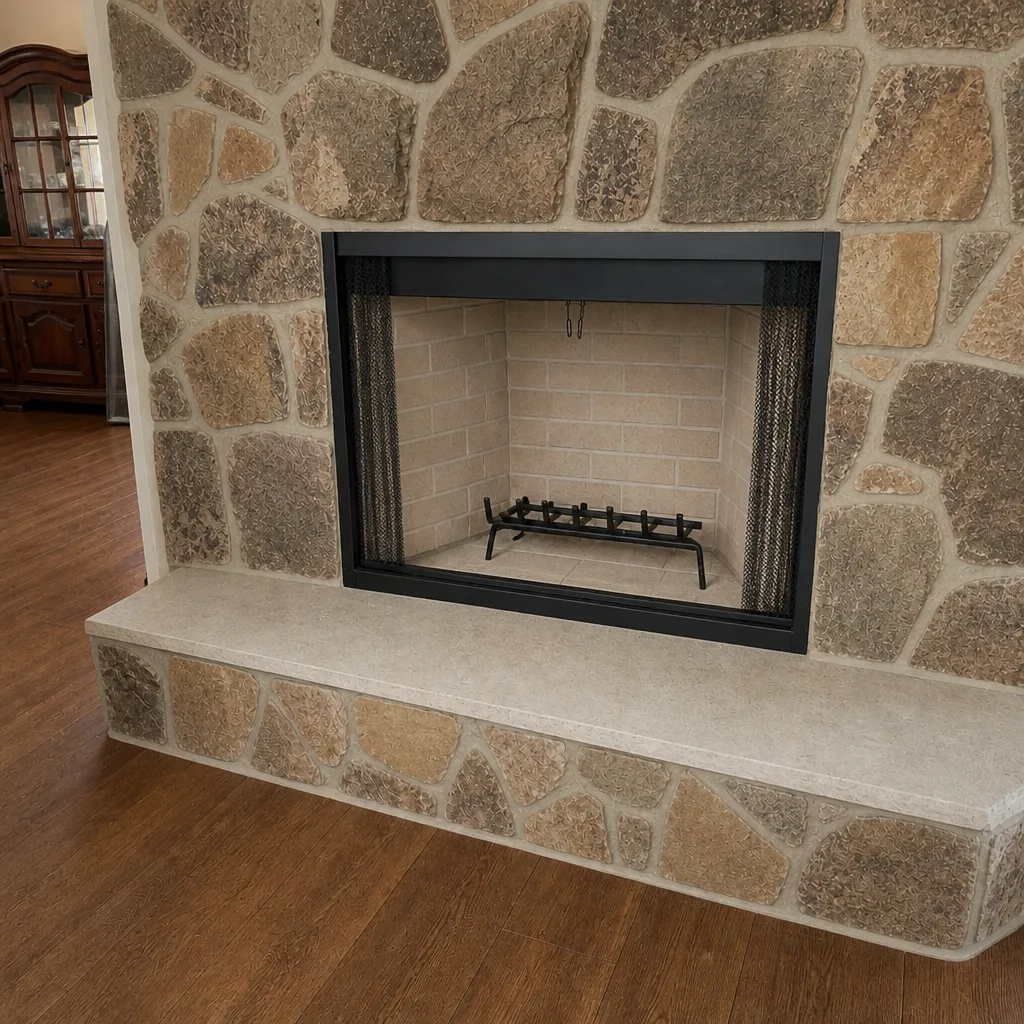
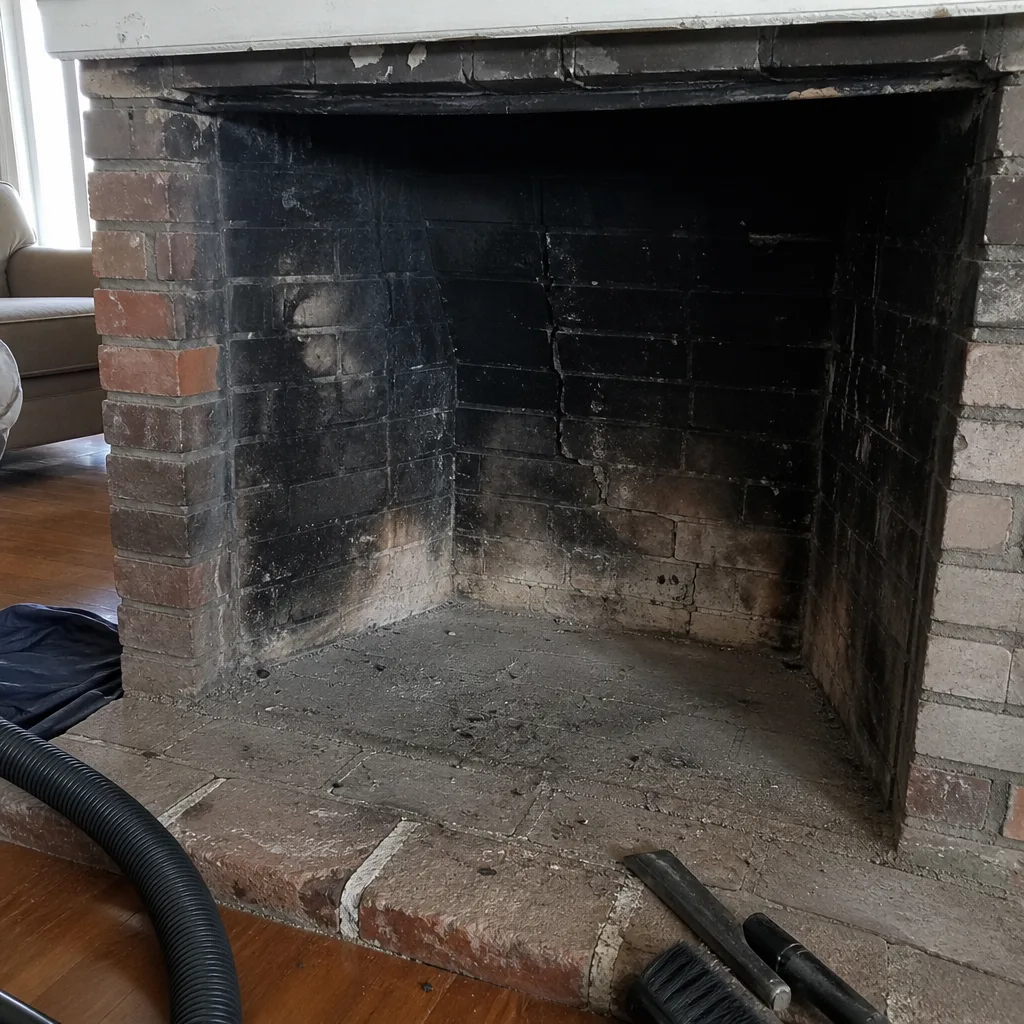
See the difference
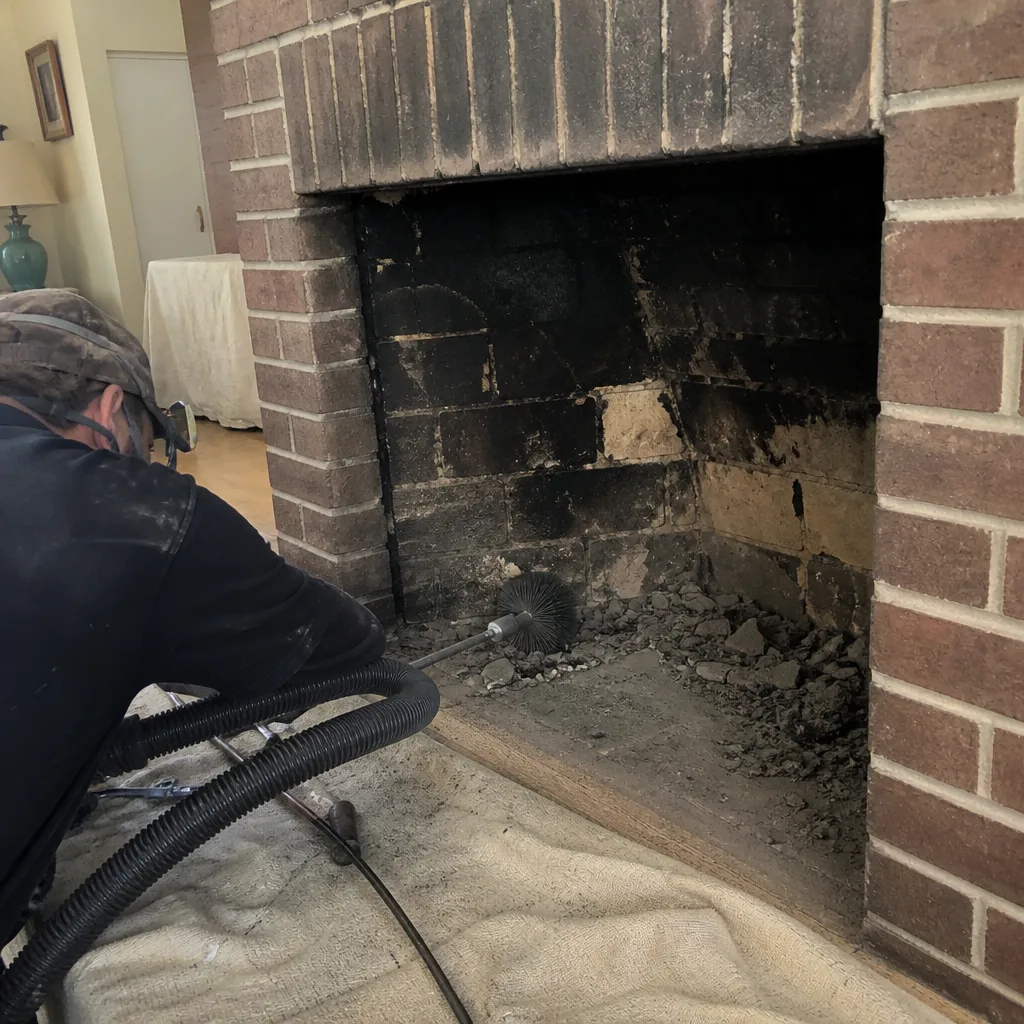 Before
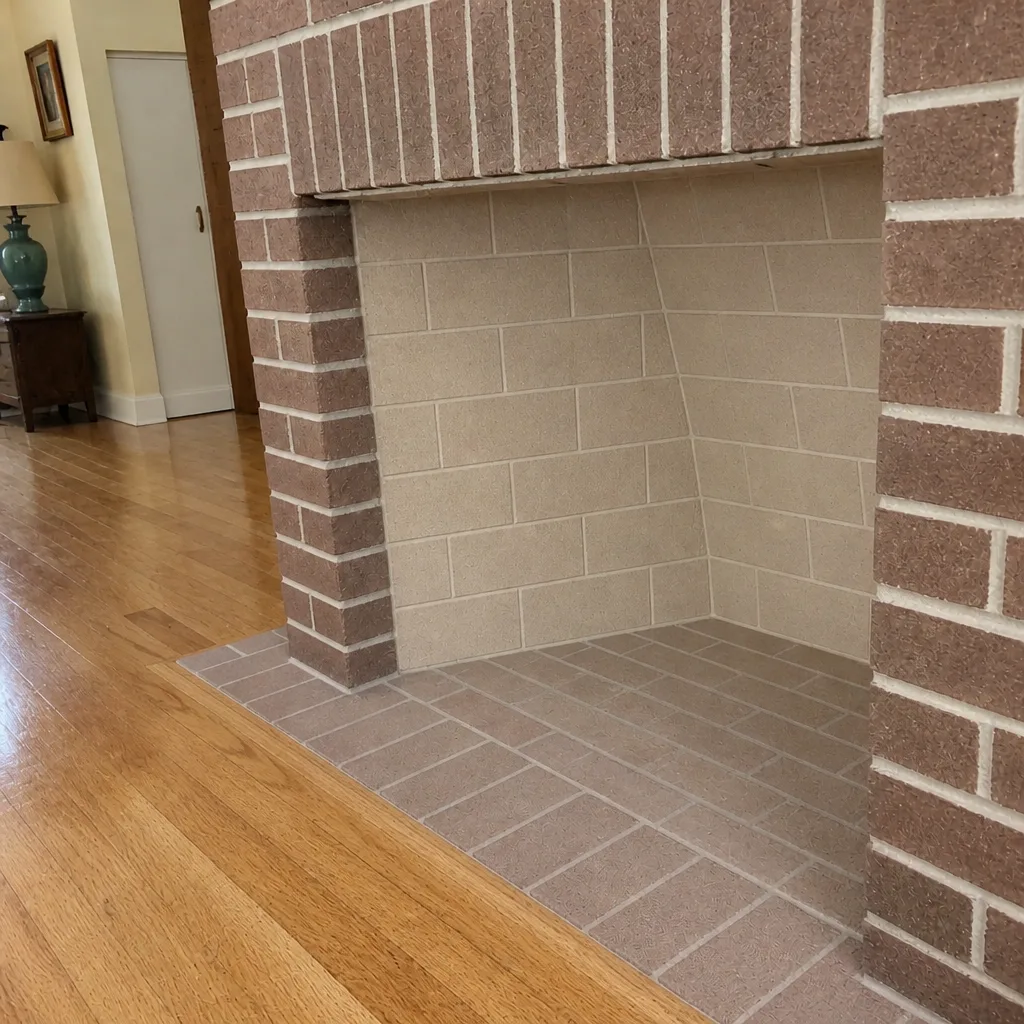 After
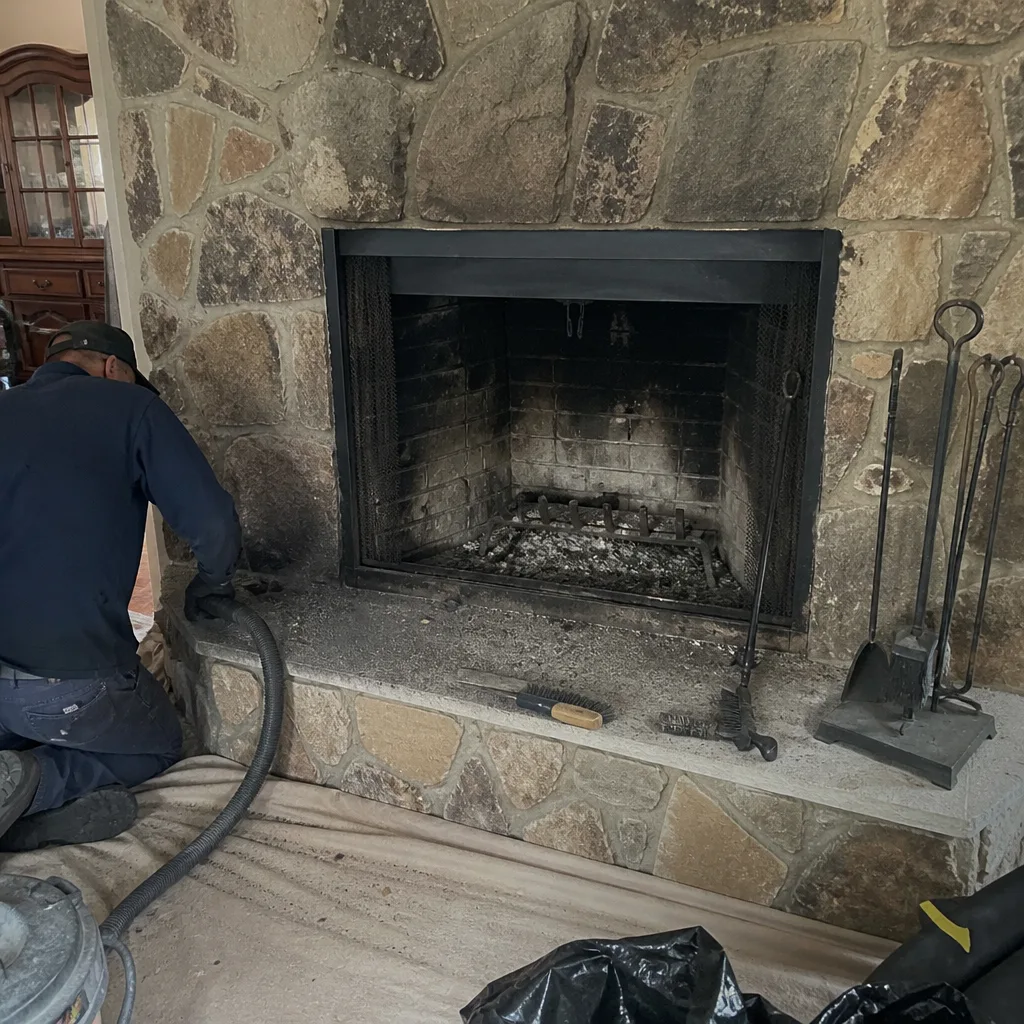 Before
 After
 Before
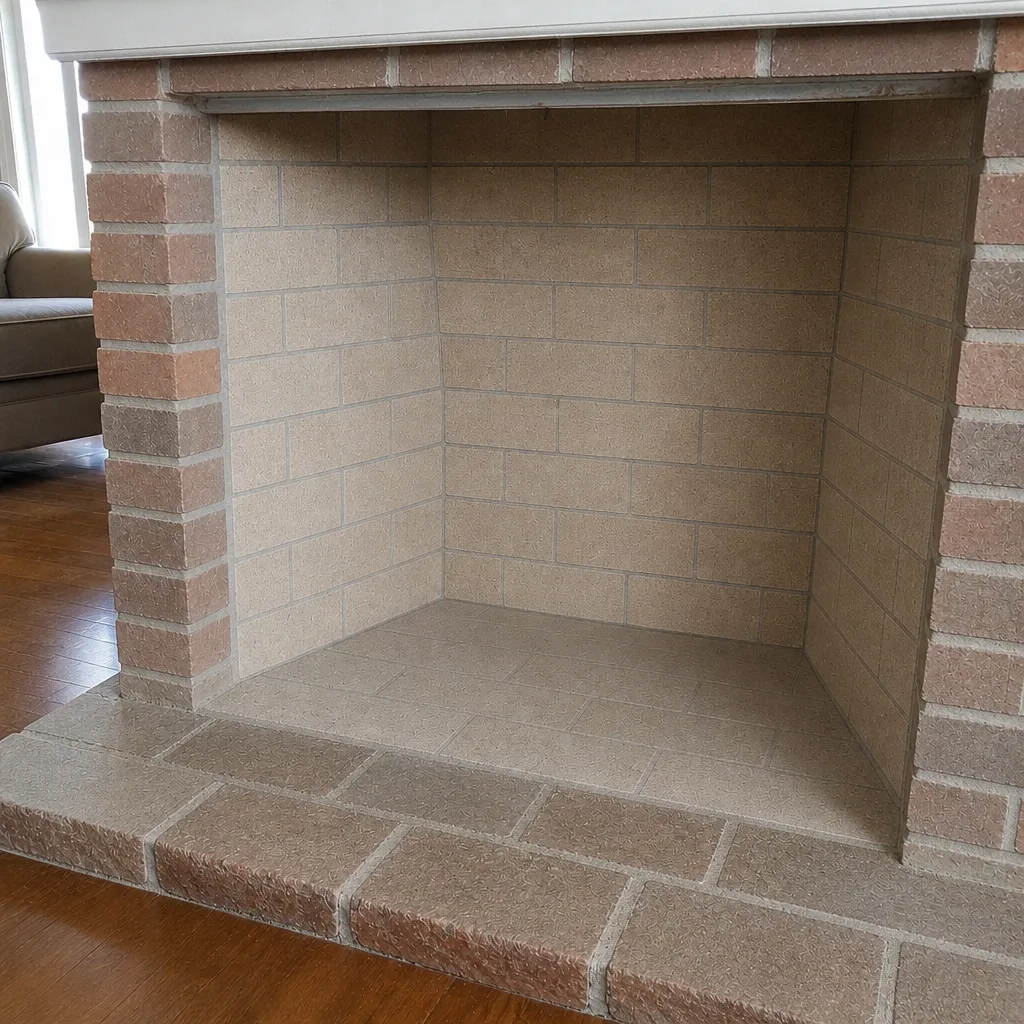 After
Frequently Asked Questions
A standard sweep in Green Valley Ranch is priced per job by a written estimate, and the estimate is free. We don’t quote a flat number before we’ve seen the flue because the liner type, deposit stage, and cap condition all affect the work. Call (833) 918-5339 for an exact quote – estimates are free.
Usually not. Many liners that look worn can be restored with HeatShield resurfacing rather than fully replaced, and we only recommend a full reline when the camera evidence shows the liner can’t be saved. We show you the photos so the recommendation isn’t something you have to take on faith. Call (833) 918-5339 and we’ll talk through what a proper inspection would confirm.
Once a year for most wood-burning chimneys, with an inspection every year regardless of fuel type. Our high, dry climate can deposit hard creosote faster than lower-altitude areas, so the annual inspection matters even when the firebox looks clean. Call (833) 918-5339 to set up an inspection.
Soot and creosote keep building, and a soft Stage 1 layer can harden into a crusty Stage 2 and then a glazed Stage 3 that’s a real fire risk. Skipping the annual inspection also means a cracked liner or a failing cap can go unnoticed until it’s a bigger repair. Call (833) 918-5339 – we’ll tell you honestly if you can safely wait.
A Level 1 checks readily accessible areas without disturbing the structure, while a Level 2 adds a camera run through the flue and a documented photo report. For a home purchase or a new appliance, you want a Level 2. We document every inspection so you have a record for insurance or a real-estate transaction.
No. Gas inserts need little flue cleaning but still need an annual inspection of the venting and connections, while wood fireplaces need a full sweep and the correct brush for the liner material. Call (833) 918-5339 and tell us your fuel type so we book the right service.
The Bottom Line
Chimney cleaning in Green Valley Ranch isn’t a generic annual chore. The elevation, the dry air, and the way wood burns here change how fast creosote builds and how hard it gets. The takeaway is simple: catch deposit while it’s still soft, know which creosote stage you’re looking at, insist on a camera inspection and a documented report, and match the tool to your liner. Do that and your chimney stays safe under a real fire, not just a glance. Skip it and the layers harden until a routine sweep becomes a repair. The right materials and a documented process are what separate a safe flue from one that only looks clear.
Chimney Sweep Green Valley Ranch handles sweeping, inspection, cap and crown, and structural repair as one scope, from the first diagnosis to the finished repair. Our technicians have up to 15 years of experience. Call (833) 918-5339 for a free estimate. We answer 24/7. Fast dispatch from 7am to 7pm, Sunday through Friday.
Written by the team at Chimney Sweep Green Valley Ranch.