
Last updated November 24, 2026
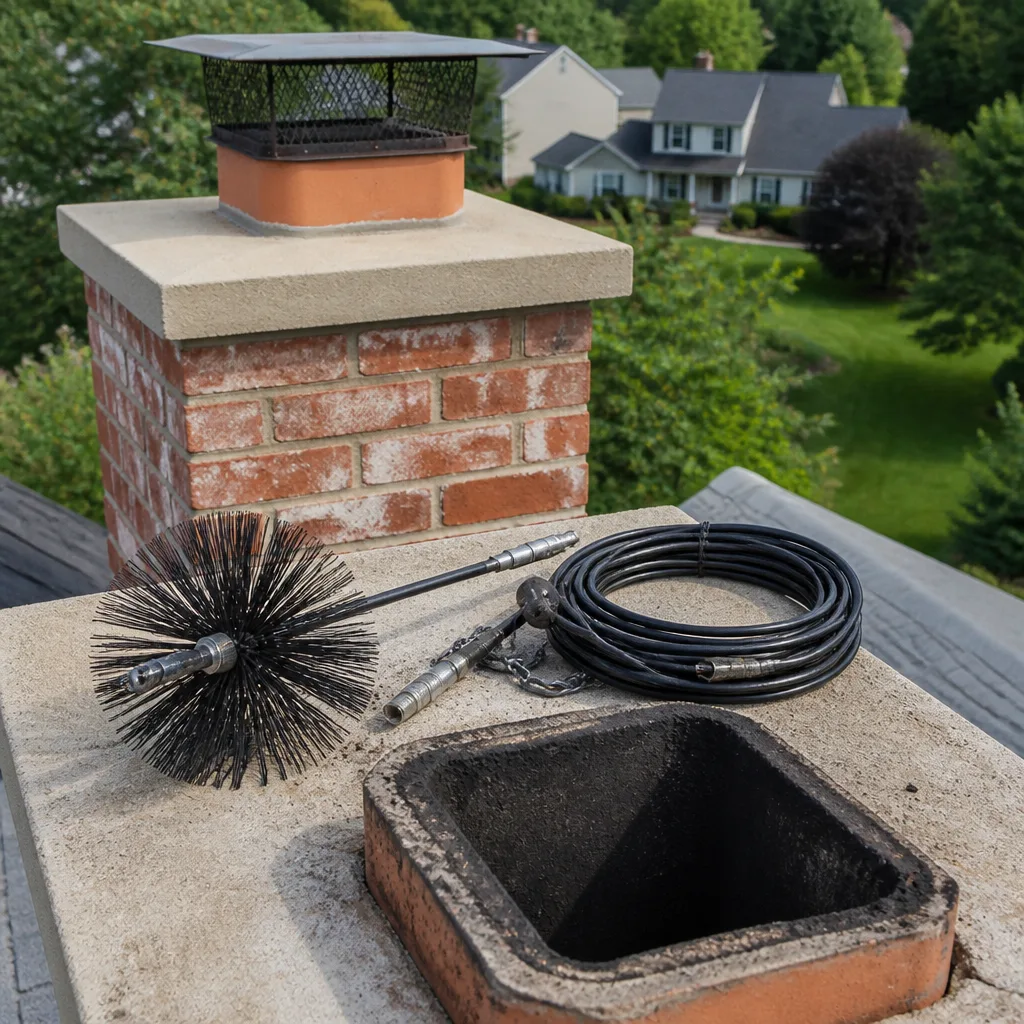 Sweep & inspection
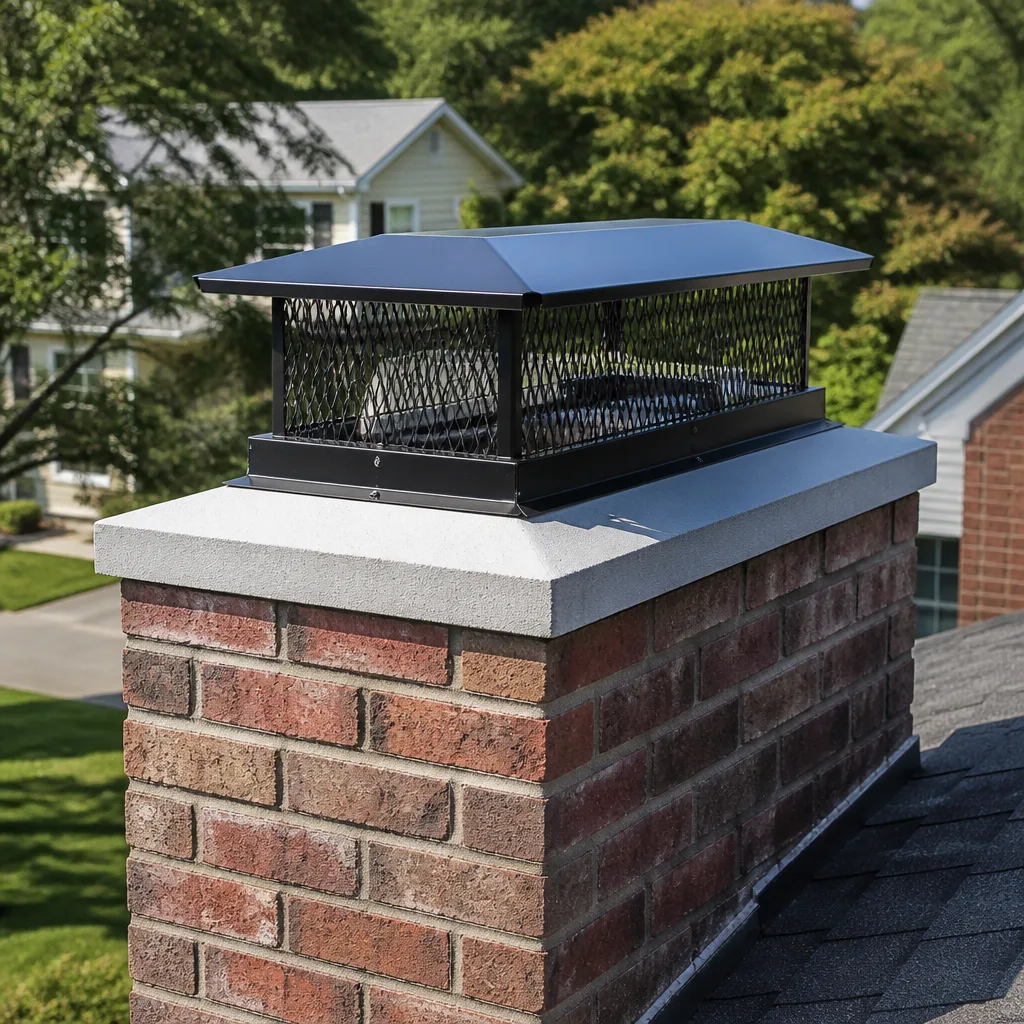 Caps & crowns
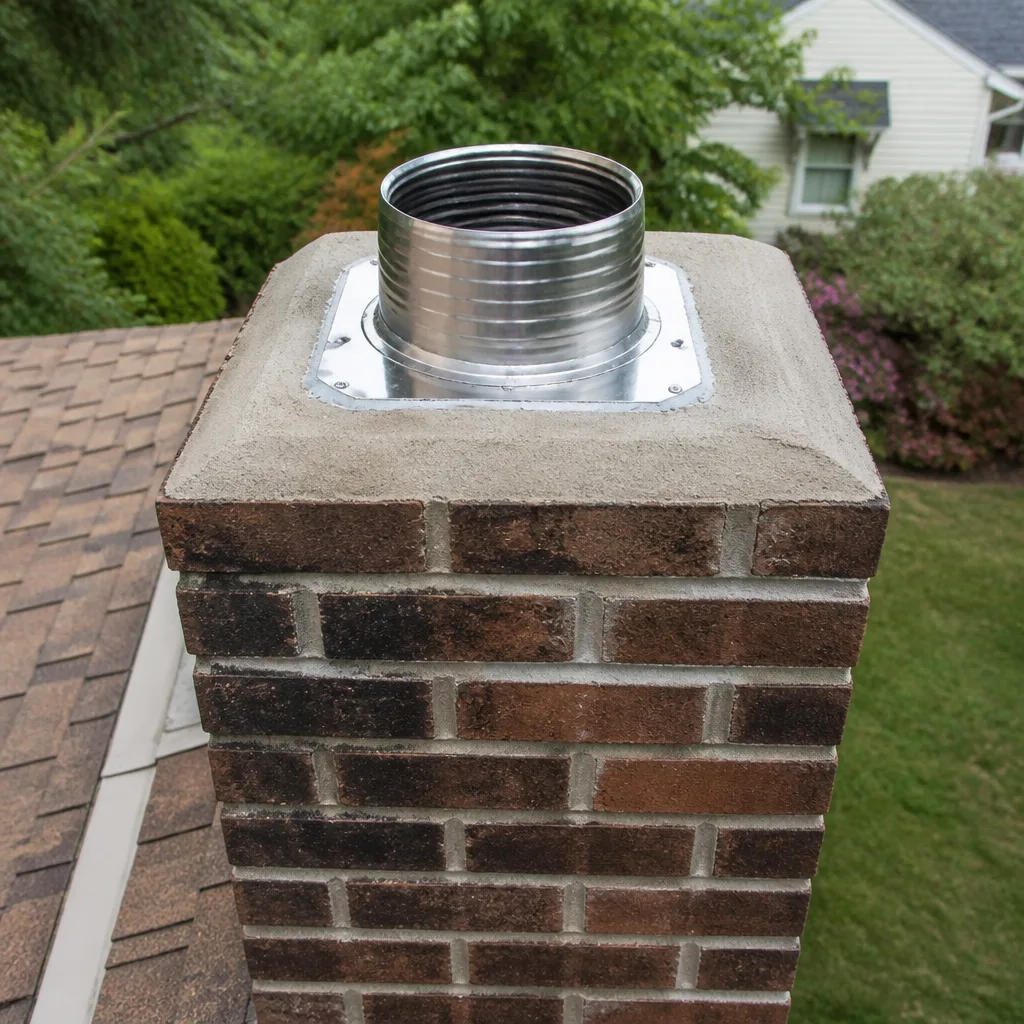 Flue relining
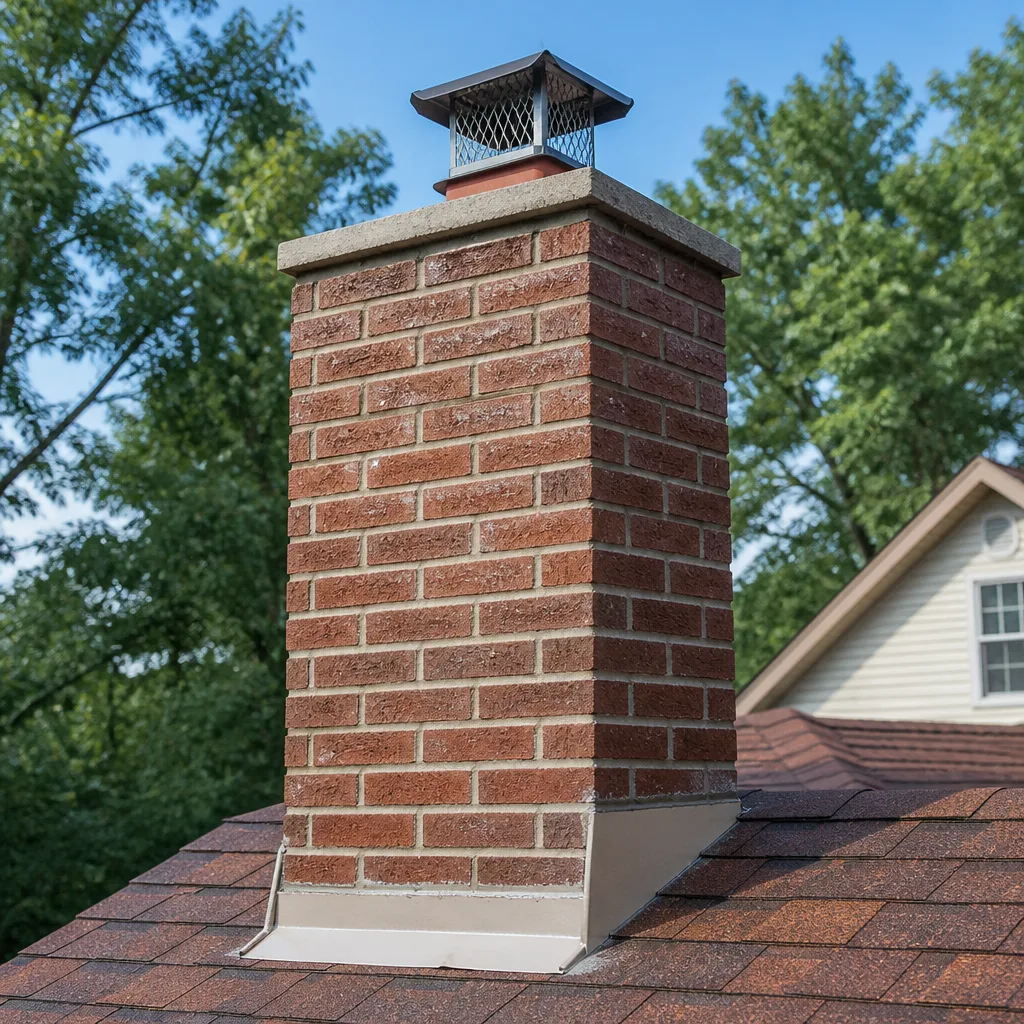 Masonry repair
 Gas fireplace service
Level 1 sweep and inspection to the NFPA 211 annual standard - flue, crown, cap, and flashing checked and photographed
Chimney sweep logs do not sweep chimneys. They loosen some creosote - which then falls where a brush and vacuum still have to collect it.
How to Hire a Chimney Cleaning Contractor in Green Valley Ranch: A Step-by-Step Guide
Colorado does not require a state chimney contractor license. That single fact changes how you should shop for a sweep. Anyone with a van, a ladder and a brush set can legally advertise chimney cleaning in Green Valley Ranch today, print an invoice, and never touch a certificate in their life. The credential you hand your money to is the one you chose to verify. This guide gives you the interview framework we use ourselves: which certifications actually cover what, why general liability insurance is not the whole protection story, how to read equipment on arrival, and which questions separate a specification-grade contractor from a quick brush-and-go. You’ll finish with a short list of questions you can ask any contractor in Green Valley Ranch and know, from the answers, exactly what kind of operation you’re dealing with.
Quick Answer
Hiring a chimney cleaning contractor in Green Valley Ranch means verifying four things before you book: a CSIA Certified Chimney Sweep credential, both general liability and workers’ compensation coverage, rotary cleaning equipment suited to your creosote level, and a written scope of work before anyone climbs the roof. Ask for the certificate number, the insurance certificate and the camera footage. A contractor who hesitates on any of the three is telling you something useful.
Styles & brands we work with
- Sweep & inspection
- Caps & crowns
- Flue relining
- Masonry repair
- Gas fireplace service
Table of Contents
- Why Vetting a Chimney Contractor in Green Valley Ranch Takes Real Work
- Which Credentials Actually Matter, and What Each One Covers
- The Insurance Question Most Homeowners Skip
- How to Evaluate a Contractor’s Equipment Before They Arrive
- Red Flags in Quotes and Estimates
- Why Brand Relationships Tell You How a Contractor Thinks
- What a Real Inspection Looks Like, Step by Step
- The 10 Questions to Ask Before You Book
Why Vetting a Chimney Contractor in Green Valley Ranch Takes Real Work
Most home service trades in Colorado have a state licensing board you can search by name. Chimney work generally does not. There is no state chimney contractor license class, no searchable database of disciplinary actions, no state exam specific to flues and vents. That means the usual shortcut, checking a government website for a license number, doesn’t exist for this trade. The burden shifts entirely to you.
Green Valley Ranch adds a wrinkle. The housing stock here runs heavily toward homes built in the last couple of decades, which means many chimneys are factory-built systems with metal flues rather than traditional masonry. Factory-built systems have their own rules. The flue components are engineered as a matched set, the clearances to combustibles are specified by the manufacturer, and the venting for a gas appliance is not the same as the flue for a wood-burning fireplace. A contractor who only knows masonry chimneys can look at a factory-built system in Green Valley Ranch and not recognize what they’re seeing.
Our technicians have up to 15 years of experience, and the most common thing we find on a first visit to a Green Valley Ranch home is not a dirty flue. It’s a flue that was swept by someone who didn’t know what the system was made of. Brush choice, rod type and cleaning method all change based on whether you’re working a masonry flue with a clay tile liner or a factory-built metal flue. Get the identification wrong and the cleaning itself can do damage.
So the vetting question isn’t “are they licensed?” It’s “can they tell me what my chimney is, what condition it’s in, and how they’ll clean it without harming it?” The rest of this guide walks through how to get that answer.
Which Credentials Actually Matter, and What Each One Covers
Three credentials come up in chimney conversations. They are not interchangeable, and understanding the difference tells you what kind of contractor you’re talking to.
CSIA Certified Chimney Sweep
The Chimney Safety Institute of America certification is the baseline credential for the trade. A CSIA Certified Chimney Sweep has passed a written exam covering chimney and venting fundamentals, code requirements, and inspection practice, and holds current certification through continuing education. CSIA certification covers sweeping and inspection work. It does not, on its own, certify structural repair capability, liner installation or masonry work. Ask for the certificate number and confirm it’s current. A certified sweep will have it ready.
NFI Certification
The National Fireplace Institute certifies technicians in specific fuel categories: wood, gas, and pellet. This matters because a technician certified in wood appliances may not hold the gas certification, and gas venting is a different body of knowledge. If your Green Valley Ranch home has a gas fireplace or a gas log set, ask specifically which NFI certification the technician holds. On a gas appliance, the venting and combustion air questions are not cosmetic. They’re the reason NFI separates the categories.
NADCA Membership
The National Air Duct Cleaners Association is a dryer vent and air duct organization. NADCA membership signals that a contractor has committed to a professional association and likely carries proper equipment for duct and dryer vent cleaning. It is not a chimney credential. A contractor who leads with NADCA membership on a chimney job is either padding the resume or genuinely confused about what applies. Either answer tells you something.
HeatShield-Certified Work
HeatShield is a liner resurfacing system, and working with it requires training specific to the product. A contractor who mentions HeatShield certification is telling you they can address a deteriorating liner without jumping straight to full replacement. Not every chimney company offers this. The ones that don’t often don’t mention it.
The Insurance Question Most Homeowners Skip
Every contractor will tell you they’re insured. The right follow-up question separates the answer that matters from the one that doesn’t.
General liability insurance covers damage to your property. If a technician drops a rod through a flue and cracks a tile, or knocks a cap off the roof and it lands on your car, general liability is the policy that responds. You want it, and you want to see the certificate, not just hear about it.
Workers’ compensation insurance is the one homeowners skip. It covers the technician if they’re injured on your property. Chimney work happens on roofs, on ladders and inside flues. Injuries happen. Without workers’ comp coverage, a technician injured at your Green Valley Ranch home could potentially pursue a claim against your homeowner’s policy. General liability does not cover that exposure. Workers’ comp does.
Ask for both certificates. A contractor who carries both and can produce the paperwork on request is a contractor who has been through an insurance underwriter’s review, which is a form of vetting you didn’t have to do yourself. A contractor who says “we’re fully insured” and goes quiet when you ask for the workers’ comp certificate is telling you the rest of the answer.
We connect Green Valley Ranch homeowners with local professionals who are licensed and insured as their state requires, and we expect the same standard from anyone working on a chimney system in this neighborhood. Ask the question. Any contractor worth hiring will answer it in a sentence.
How to Evaluate a Contractor’s Equipment Before They Arrive
You can read a lot from what comes off the truck. This is not about judging a contractor by how new their van looks. It’s about whether the equipment matches the job.
A standard brush kit and a rotary cleaning system are not the same tool. A standard brush is a hand-operated or power-drill-driven brush run up the flue on rods. It scrapes the surface of the flue and removes loose soot and light deposits. For a lightly soiled flue after a season of normal burning, that’s appropriate. For heavy creosote deposits, a standard brush can polish the creosote rather than remove it, which makes the next sweep harder and does nothing for the fire risk.
A rotary cleaning system uses a spinning whip or chain head on a flexible rod to remove the glazed creosote stage. That’s the stage that matters most for fire risk. The difference between the two tools is the difference between a sweep that actually addresses creosote and one that makes the flue look clean from the firebox.
What to ask on the phone before booking:
- What cleaning equipment will you bring? A contractor who says “standard brushes” without mentioning rotary capability is telling you they handle light jobs only.
- Do you use a camera? Video inspection of the flue interior is standard for a professional inspection. If a contractor doesn’t have one, they’re describing a cleaning, not an inspection.
- How do you handle creosote removal? A professional answer involves identifying the creosote stage (the National Fire Protection Association classifies it in three stages) and matching the tool to the stage.
- Will you show me the footage? Not a description, not a report. The actual video. You should be able to see what the contractor saw.
The camera question matters most. We inspect and repair with the same technicians so that the person diagnosing a problem is the one who fixes it. That accountability starts with the camera. A contractor who inspects with a camera and hands you the footage to watch is a contractor who expects to be evaluated on the evidence.
Red Flags in Quotes and Estimates
Quotes contain clues. Here’s what to read into them.
“Free Inspection with Cleaning”
This can mean two very different things. In a legitimate form, it’s a bundled service: the sweep and inspection are performed in one visit, and the inspection is included in the sweep price because the technician is already on the roof. That’s normal and reasonable. In the other form, the “free inspection” is the sales appointment. The cleaning is the lure, the inspection is a scripted objection-handling conversation, and the real product is the repair you’re about to be told you need.
The tell is whether the inspection comes with a photo report you can read and evaluate on your own time. If the contractor hands you footage and a written report, with a recommendation you can think about, it’s the first form. If they hand you a signed-now-or-risk-it pressure, it’s the second.
Quotes Without Seeing the Chimney
A phone quote is a guess. Chimney work depends on what the flue looks like, and nobody knows that until they’ve been on the roof with a camera. A good contractor quotes a range on the phone and sets the firm price after inspection, in writing.
No Written Estimate
Every price should be in writing before work starts. A verbal price is a price that changes.
A Liner Replacement Recommended Without Footage
This is the most common expensive mistake in the trade. Liner replacement is a real need when the liner is deteriorated or the venting is incorrect for the appliance. But it is not a diagnosis you can make from the firebox. Camera evidence should support the recommendation. If you’re told you need a new liner and not shown why, ask to see the footage. A contractor who can’t produce it has not made a diagnosis. They’ve made a sale.
Red Flags List
- Quoted before inspection: a firm number delivered over the phone on a chimney they haven’t seen.
- No camera, no photo report: a cleaning described as an inspection.
- Liner replacement without footage: a recommendation with no evidence.
- No written estimate: a price that only exists in conversation.
- Pressure to sign the same day: a repair that “needs to happen today” without an explanation you can verify.
- No answer on the workers’ comp question: the certificate that never arrives.
- “We do everything” with no brand specificity: a generalist handyman with a sweep brush in the back of the van.
We inspect, and we photograph what we find. The photo report exists because the homeowner should be able to trust the diagnosis independent of the contractor’s word. If a recommendation can’t be supported by the footage, it shouldn’t be on the estimate.
Why Brand Relationships Tell You How a Contractor Thinks
Here’s the question that surprises Green Valley Ranch homeowners: what brand of components does your contractor install? The answer is a shortcut to knowing whether the operation is a specialist or a generalist.
Chimney components are a professional supply category. The brands a specification-grade contractor works with are not the brands available at a hardware store. DuraFlex makes flexible stainless liner systems for relining and relining hardware. Copperfield makes a range of chimney and venting products. HeatShield is the liner resurfacing system that addresses a deteriorating liner without full replacement. Gelco is a chimney cap line built for factory fit. Each of those is a product line a professional contractor specifies when the chimney’s actual problem matches the product’s actual purpose.
A generalist contractor has a different sourcing strategy. They buy what’s cheapest at the supply house or the hardware store, because they don’t see the point in specifying a product they don’t understand. The problem shows up later. A generic cap that doesn’t fit the crown assembly may not seal, and an improperly sealed cap can allow water intrusion. A generic liner may fit the flue but not meet the clearance requirements for the appliance. The materials look similar on the invoice and behave very differently in five years.
The interview question is:
“What brand of cap would you recommend for this chimney, and why?”
A specification-grade contractor answers with a specific brand and a reason. A generalist answers with a shrug and a price. We work with DuraFlex, HeatShield, Gelco, Olympia Chimney, Famco and Copperfield, and the answer to “which one for this chimney” depends on what the chimney actually is. The product choice should follow the diagnosis. If it’s the other way around, the chimney is being fit to the cheapest inventory.
Proper cap fit is not an aesthetic question. It’s a water intrusion question and a wildlife question. A cap sized to the actual flue and installed with a manufacturer-specified assembly does the job. A cover improvised from a generic cage does not. That’s the difference specification-grade materials make on a job this simple.
What a Real Inspection Looks Like, Step by Step
An inspection is a defined service with defined scope. Here’s what a proper one involves, and what you should expect your Green Valley Ranch contractor to do.
- Pre-inspection conversation. The technician asks what appliance you’re burning (wood, gas, pellet) and whether the fireplace has ever smoked back, and why. The history matters.
- Interior inspection of the firebox and firebox components. The firebox, the damper, the smoke shelf and the fireplace opening are checked for cracks, corrosion and structural issues.
- Camera inspection of the flue interior. The technician runs a video camera down the flue to look at the interior surface of the liner, the joints, the offset (if the chimney has one), and the top termination.
- Exterior inspection of the chimney structure. The crown, the flashing, the brick or siding at the chimney, the cap and the chimney chase are checked for water intrusion paths.
- Check the venting connections. For a gas appliance, the connector between the appliance and the flue is checked for the right material, correct slope and secure attachment.
- Document what was found. A photo report with the camera footage attached, plus a description of any issue, whether it’s a safety issue or a maintenance issue.
- Cleaning if scheduled. The sweep is performed with equipment matched to the creosote level. A proper sweep is not done before the inspection in a professional visit, because the inspection is what tells the technician how to clean.
- Written report delivered. The findings are delivered in a document you can keep. That document matters beyond the visit: homeowners and buyers in Green Valley Ranch need inspection documentation for insurance, real-estate and safety compliance, and a report that just says “cleaned” is not documentation.
- Recommendations in writing. Anything that needs attention is recommended in writing, with an explanation of why. Nothing is scaring you into a decision on the spot.
The inspection is the whole point of the visit. A sweep without an inspection is a cleaning. A cleaning is not a safety check. If your contractor’s report is a handwritten invoice and a verbal “you’re good,” you didn’t get an inspection.
Our process ties the inspection to the repair: the same technician who diagnoses the problem stays accountable through completion. That’s the difference between a report and a fix.
The 10 Questions to Ask Before You Book
Print this list. Ask it in order. The answers will rank the contractors for you.
- Are you a CSIA Certified Chimney Sweep, and what is your certificate number? Confirm it’s current.
- Do you hold both general liability and workers’ compensation insurance? Can you send me the certificates? Not a verbal yes. The paper.
- What’s my chimney’s construction? Masonry flue, factory-built metal flue with a liner, or something else. They should be able to describe it before they arrive.
- What cleaning equipment do you use for heavy creosote? The answer is rotary cleaning capability, described by method, not just a brand name.
- Will the inspection include camera video of the flue interior, and will I receive the footage? Anything less than a yes is a no.
- Will the price be set in writing before work begins, and is the inspection included in the sweep price or separate? Both are reasonable; the answer needs to be explicit.
- If you recommend a repair, how will you document why? The answer should involve the photo report and footage.
- What brand of chimney cap would you recommend for this flue, and why that one? A specific brand with a specific reason.
- Who performs the repair if one is needed, and will it be the same crew that inspected? The answer should be that they do, not a subcontractor.
- How will I receive the inspection report, and what does it cover? A written document, delivered, covering the flue, the crown, the cap and the venting.
We answer these questions on every call. If any contractor in Green Valley Ranch won’t answer them, that’s the answer. Book with a technician who will. When you’re ready, call (833) 918-5339. We answer 24/7. Fast dispatch from 7am to 7pm, Sunday through Friday.
Common Mistakes to Avoid
- Treating the free inspection as the inspection. When the inspection is free with a cleaning, the cleaning is the product and the inspection is the upsell. Ask what the inspection independently includes and what the report covers.
- Hiring on price alone. A sweep that costs less than the labor it takes to properly sweep and inspect a chimney is a sweep that’s skipping something. The savings usually get paid back in the next repair.
- Accepting a liner replacement quote on faith. Liner replacement is sometimes necessary. It’s also the most expensive upsell in the trade. Ask for the camera footage, and ask whether a HeatShield resurfacing could address the same condition without full replacement. Not every deteriorated liner needs to be pulled; not every contractor offers the resurfacing alternative.
- Skipping the workers’ comp question. General liability covers your property. Workers’ comp covers the injury that could otherwise land on your homeowner’s policy. Skip the general liability question and you’re exposed to the first risk. Skip the workers’ comp question and you’re exposed to both.
- Assuming a general handyman can do the job. Chimney work is a specialist trade. A handyman with a ladder and a brush isn’t certified, isn’t insured for chimney work and likely can’t spot the difference between a factory-built metal flue and a masonry one. Hire a chimney contractor, not an all-purpose one.
- Ignoring the crown. A chimney’s most common long-term water intrusion path is a cracked or failed crown. Ask your contractor specifically about the crown condition. Most homeowners never think to.
- Booking a sweep without booking an inspection. A cleaning that removes soot doesn’t verify the system is safe. If you’re paying for the visit, get the full service. If you’re in Green Valley Ranch and the fireplace hasn’t been looked at in a few years, the fireplace and the flue both deserve a look.
See the difference
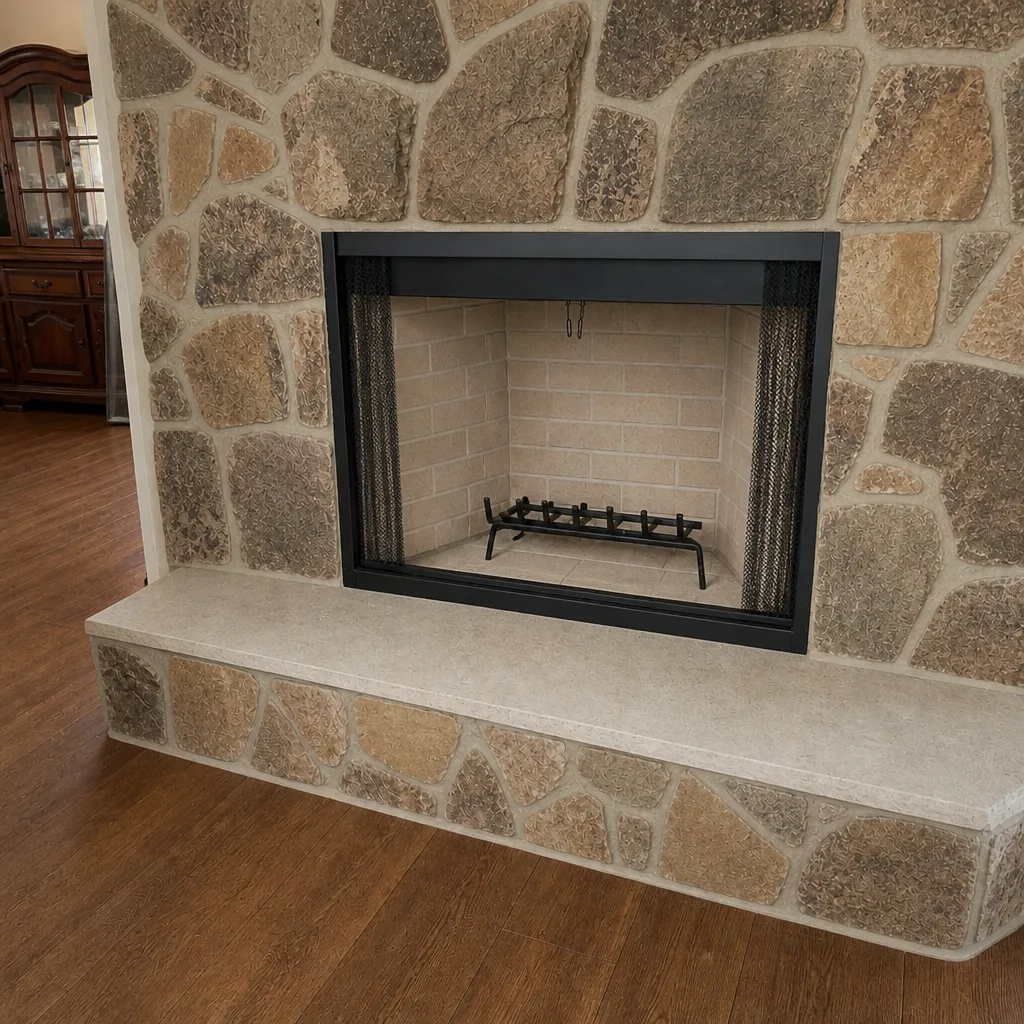
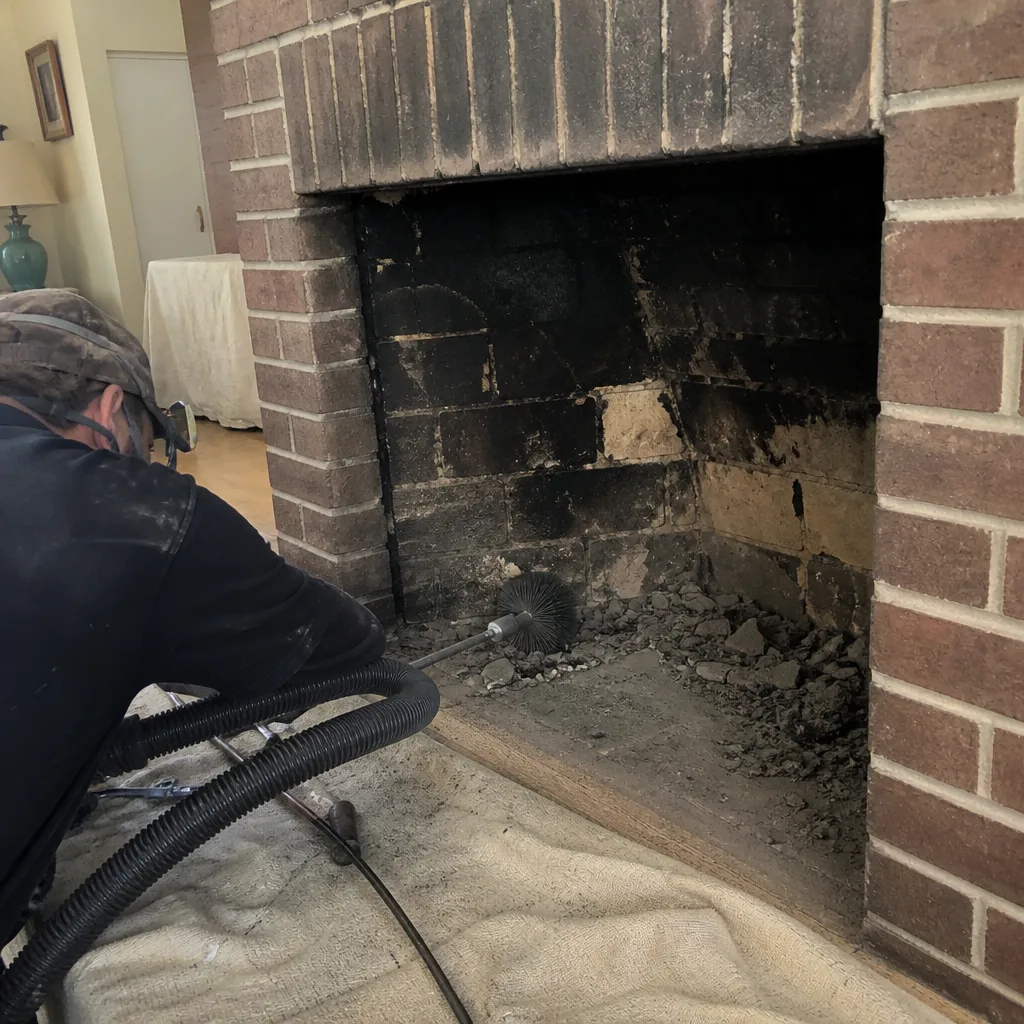 Before
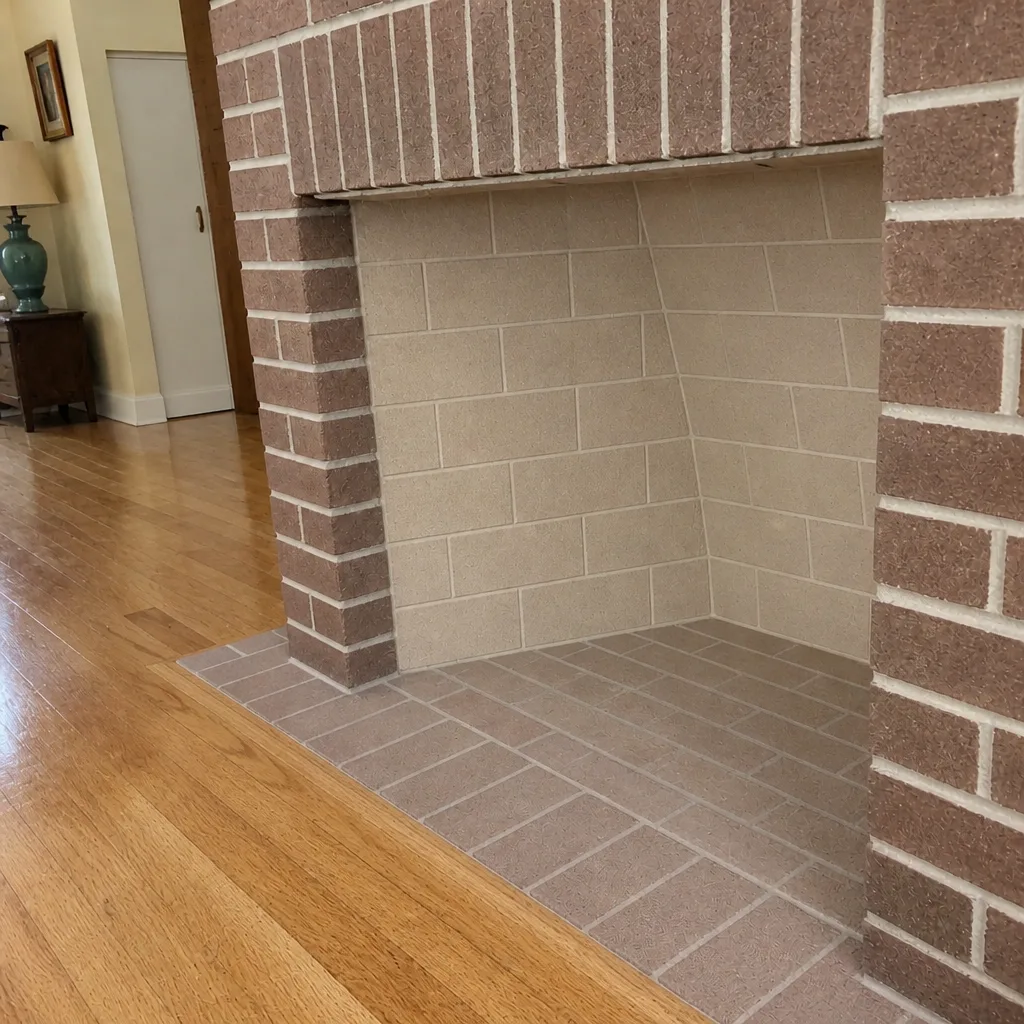 After
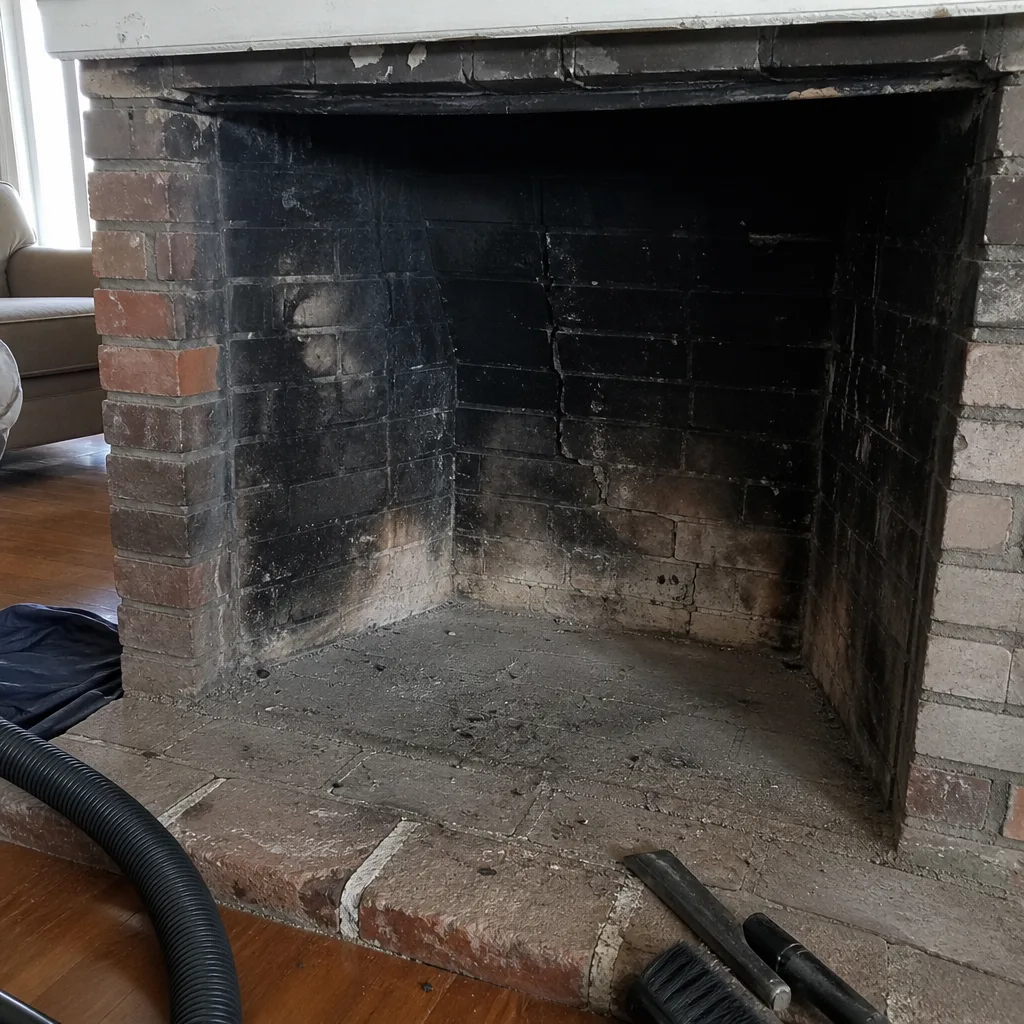
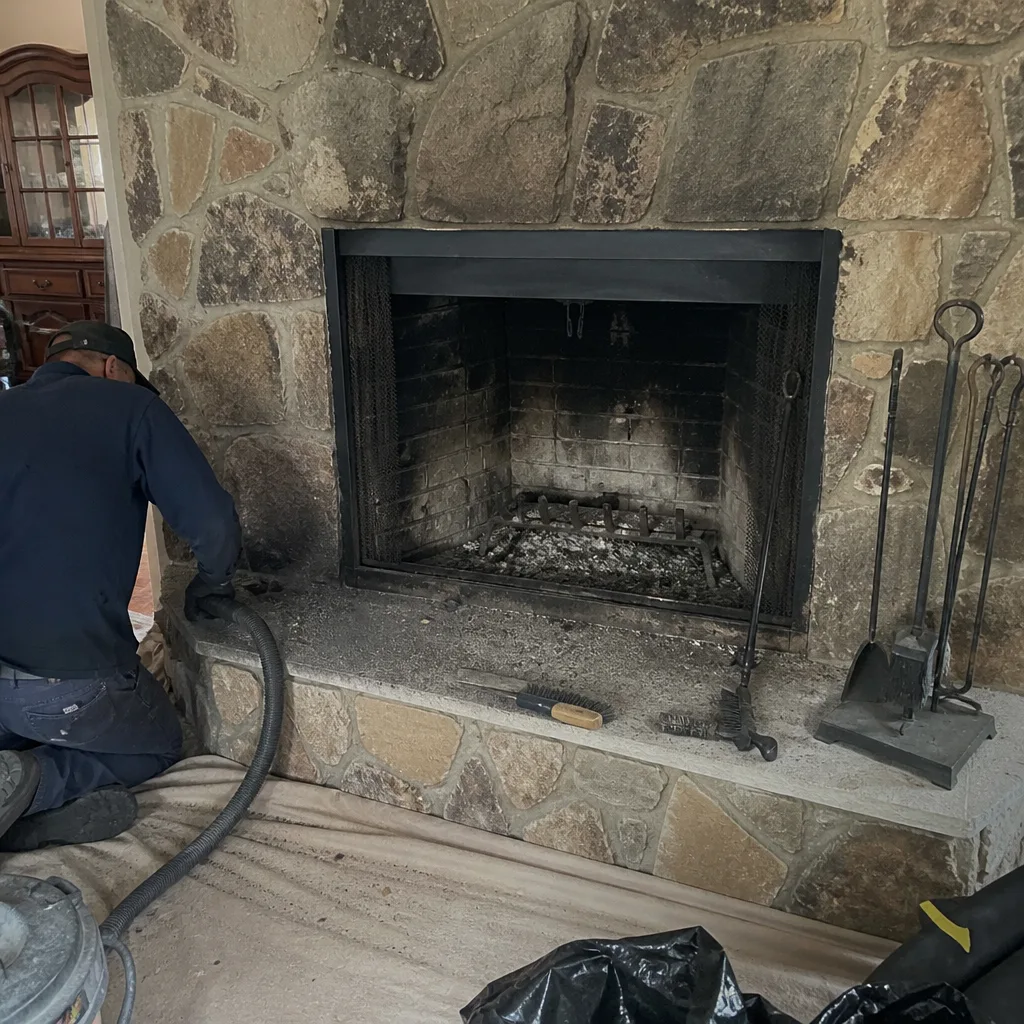 Before
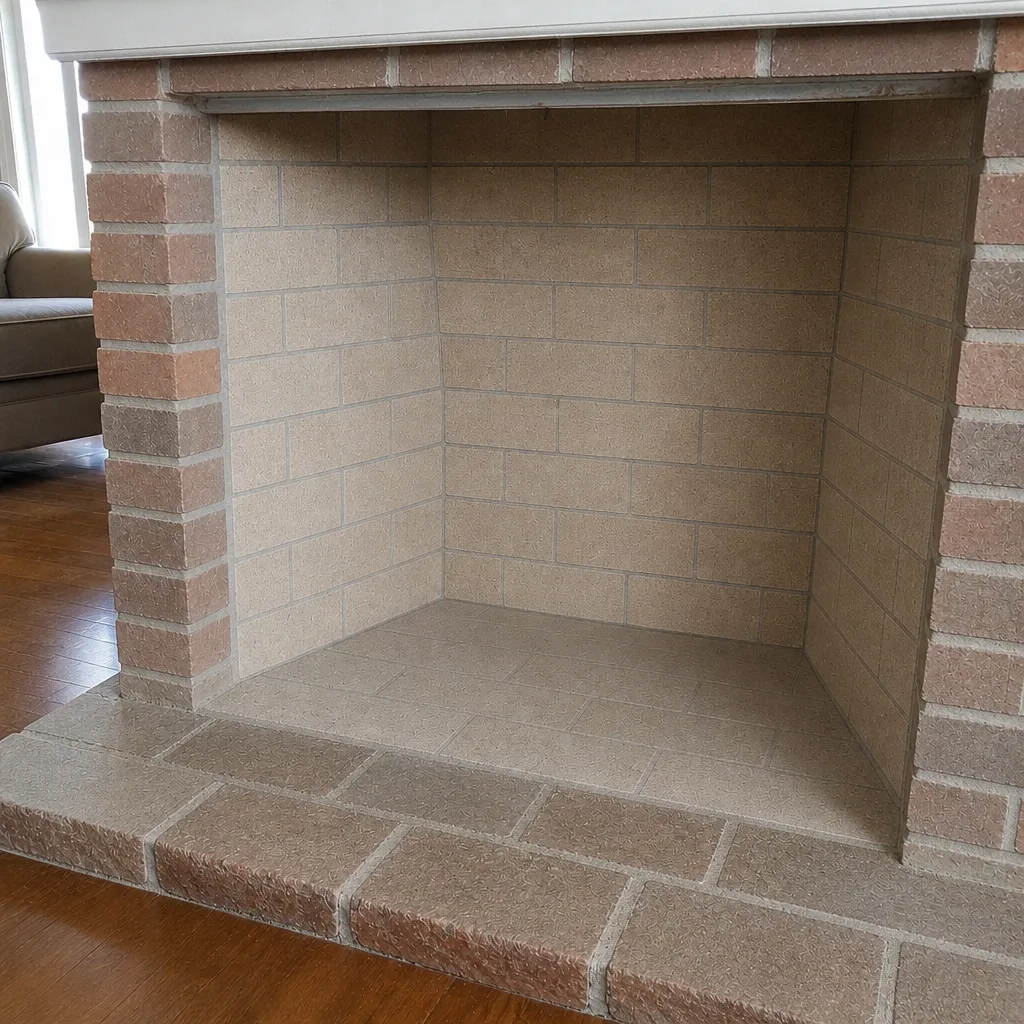
 After
 Before
 After
When to Call a Professional
Some chimney conditions you can wait on. Others you can’t. The reasons to call now:
- It’s been a year or more since the chimney was last swept, and you burn wood regularly.
- You’ve noticed smoke backing into the room when the fireplace is lit.
- You’ve seen or smelled what seems like chimney odor, or noticed a broken or missing cap.
- The crown shows visible cracks, or you’ve seen water staining inside the firebox.
- You’re buying or selling a home and need inspection documentation for the transaction.
- You just moved in and don’t know the chimney’s service history.
- You smell gas near a gas fireplace, or the pilot light won’t stay lit. Stop and call. Gas and combustion appliances are a category you don’t troubleshoot yourself.
Chimney Sweep Green Valley Ranch offers free estimates in Green Valley Ranch. Call (833) 918-5339. We answer 24/7. Fast dispatch from 7am to 7pm, Sunday through Friday, and we’re closed Saturday. A call outside dispatch hours is booked into the next opening.
Frequently Asked Questions
Most residential chimney sweeps in Green Valley Ranch are quoted as a flat price per job once the technician has seen the chimney, and the written estimate sets the final price. The number varies with the size of the system, its condition and whether the inspection is bundled in. The estimate itself is free, so the reliable move is to book one and have the price written down before any work begins. Call (833) 918-5339 for an exact quote. Estimates are free.
Not always. Liner replacement is the correct answer when the flue is deteriorated or the venting is wrong for the appliance, and it’s the expensive answer, so it deserves evidence. Ask to see the camera footage of the liner interior. If the liner has localized deterioration that a resurfacing system like HeatShield can address, that may be a lower-cost path than full relining. Sometimes the right answer is that the liner is fine and nothing needs to happen. Call (833) 918-5339 and ask for the footage.
A wood-burning chimney should be swept at least once a year and more often if you burn heavily or burn unseasoned wood. The inspection should happen on the same schedule as the sweep, because a sweep tells you the flue is cleaner and an inspection tells you whether the system is safe. Green Valley Ranch homes with gas appliances still need inspection on a regular schedule, because the venting and combustion questions don’t go away when the fuel does. Call (833) 918-5339 to book the annual visit.
Skipping a sweep allows creosote to build up in the flue, and glazed creosote is the stage that creates a serious fire and carbon monoxide risk. That’s the honest reason to book, not a sales line. It’s also why the inspection matters: a flue that’s been properly swept and inspected is a flue you can burn in with confidence. The other risk is the one you can’t see: a cracked crown or a failing cap that lets water in slowly. Call (833) 918-5339 and have it looked at.
No, Colorado does not require a state chimney contractor license. That means certification and insurance are the credentials you verify, not a state license number. Ask for the CSIA certificate number, the general liability certificate and the workers’ comp certificate. Those three documents do the vetting job the state doesn’t. Call (833) 918-5339 and we’ll send them to you.
Yes. Video inspection of the flue interior is the standard for a professional inspection, and you should receive the footage. A cleaning without a camera isn’t an inspection. If your contractor can’t show you video of the flue, you don’t have the evidence you need to make a repair decision, and you don’t have the documentation you need for insurance or a real-estate transaction. Call (833) 918-5339 and we’ll walk you through what the report covers.
Usually a single visit covers both the cleaning and the inspection, so the appointment is one block of time rather than two trips. The reason bundling works is the camera: the technician inspects first, identifies what the flue looks like, cleans with equipment matched to the deposit level, and documents what was found. The total depends on the system and the deposit. Call (833) 918-5339 to schedule.
The Bottom Line
Colorado doesn’t require a license to clean a chimney, so the credential is the one you verify. A CSIA Certified Chimney Sweep number, a general liability certificate, a workers’ comp certificate, a camera and a written report are the four things that separate a specification-grade chimney contractor from a van with a brush. Ask about brands and expect a specific answer, not a shrug. Green Valley Ranch has plenty of experienced contractors and a few that aren’t. The interview questions in this guide are how you tell them apart.
For a free estimate, call (833) 918-5339. We answer 24/7. Fast dispatch from 7am to 7pm, Sunday through Friday.
Written by the team at Chimney Sweep Green Valley Ranch.