
Last updated November 24, 2026
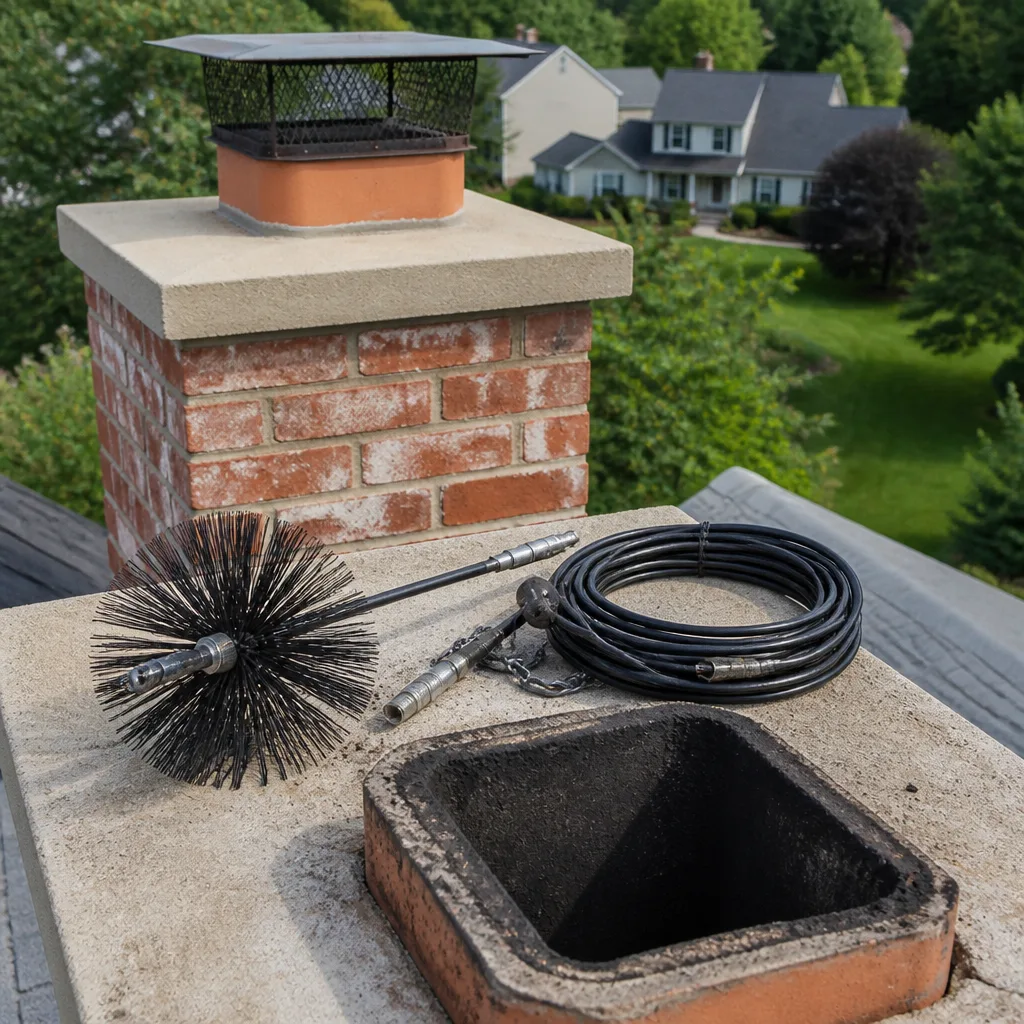 Sweep & inspection
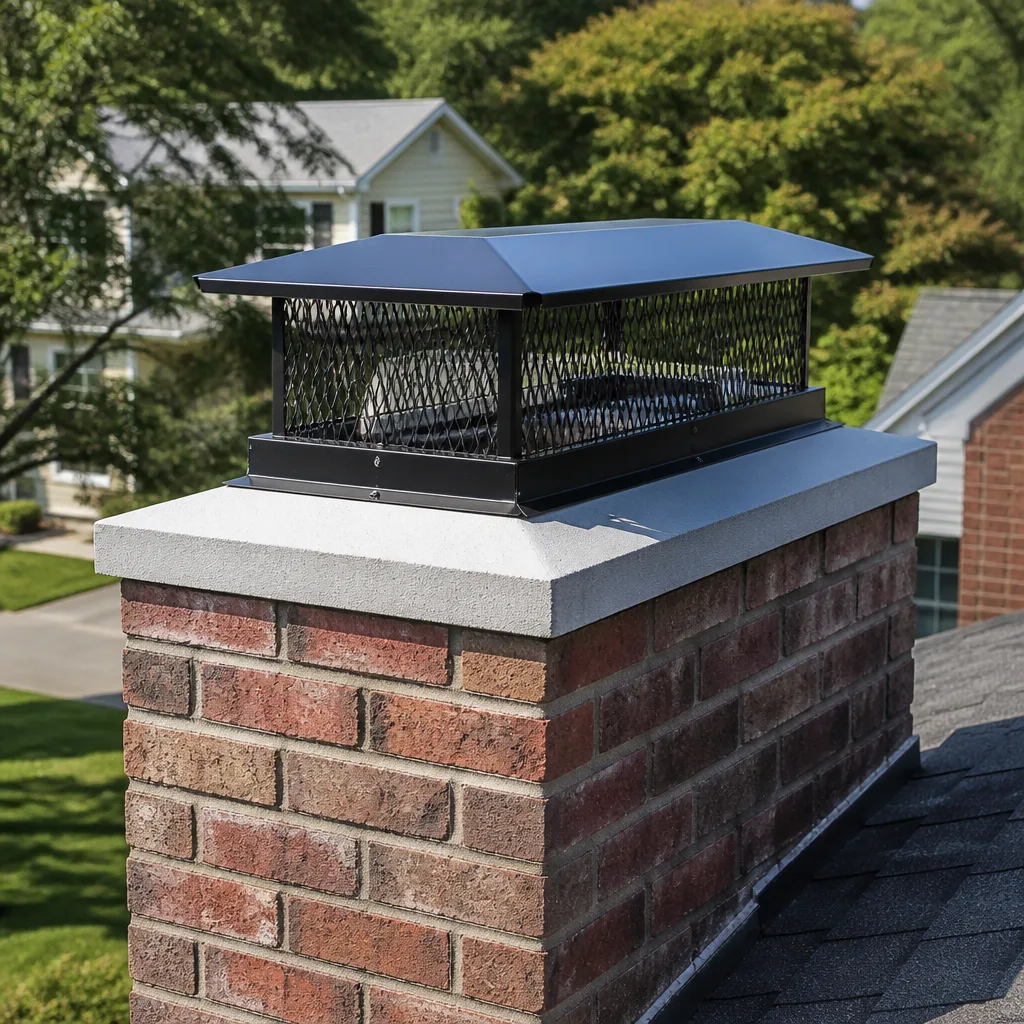 Caps & crowns
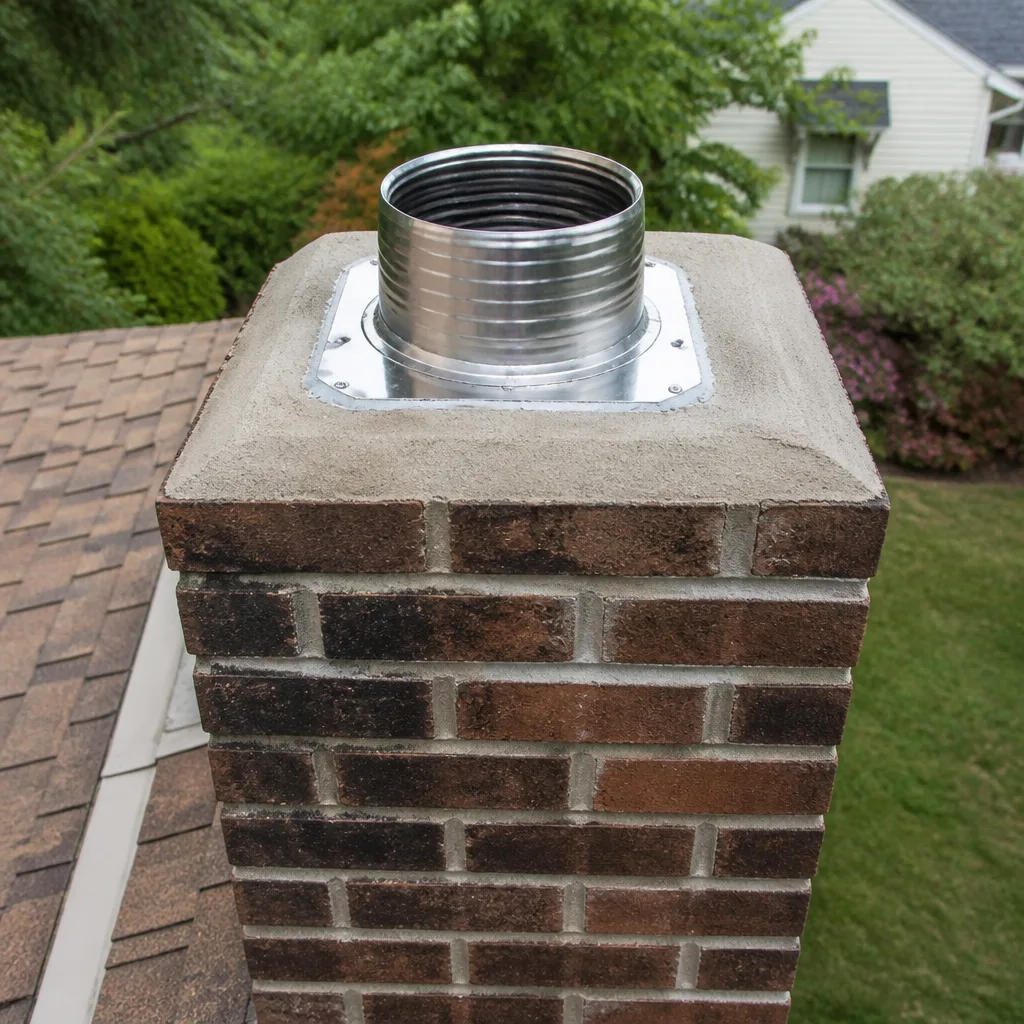 Flue relining
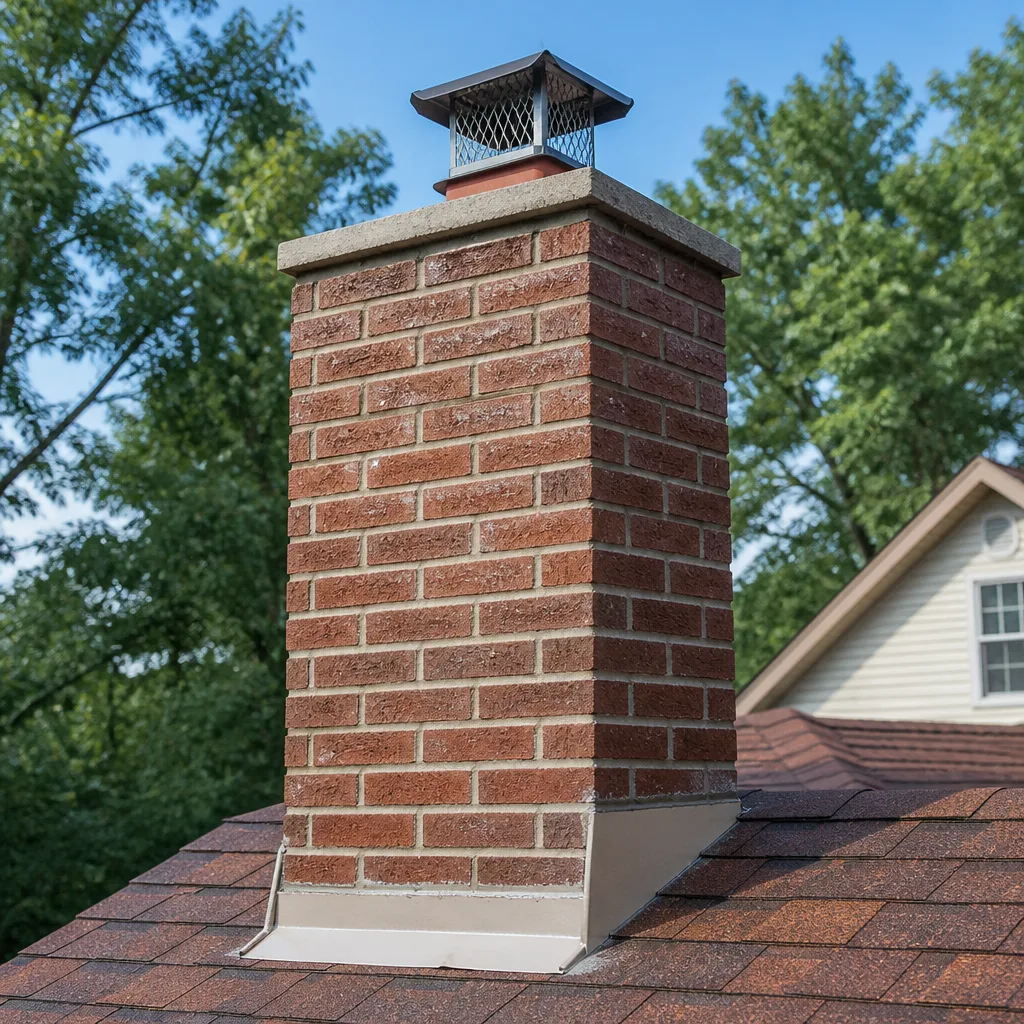 Masonry repair
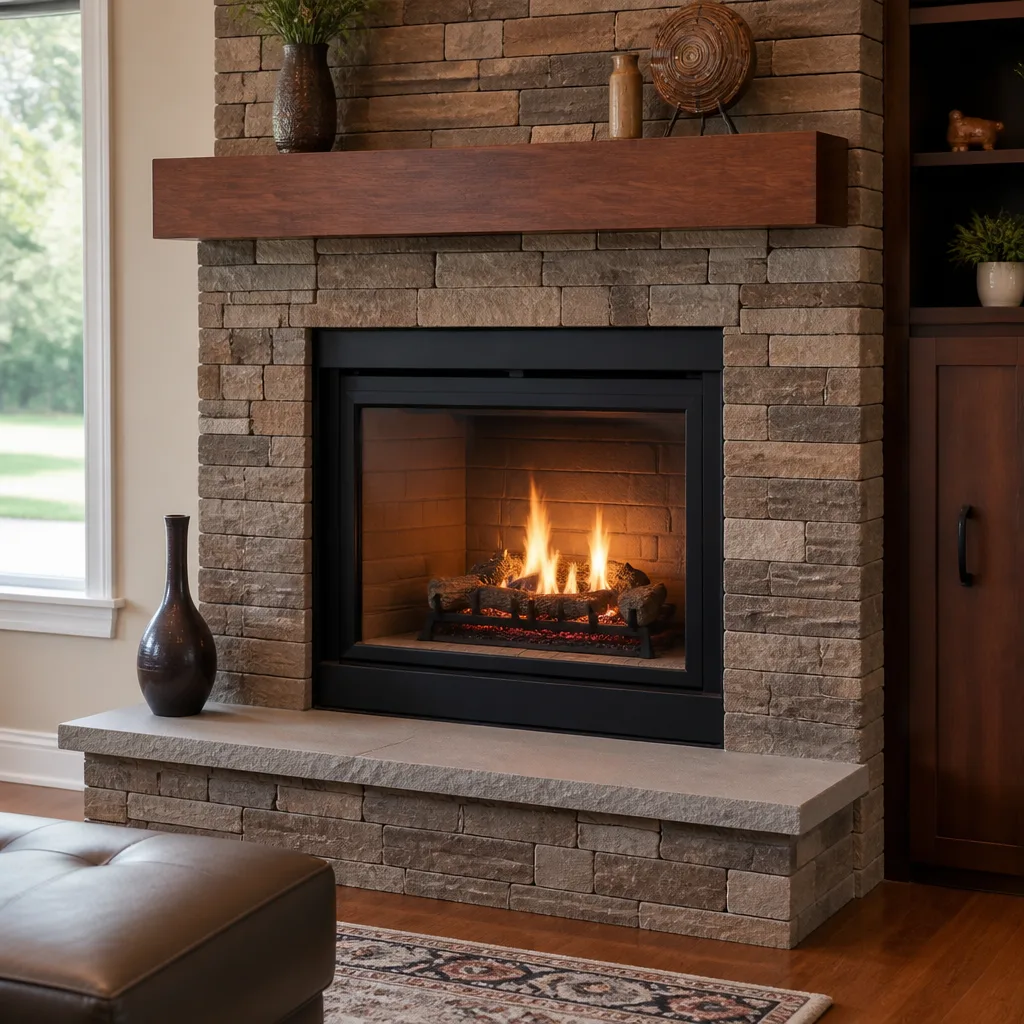 Gas fireplace service
Level 1 sweep and inspection to the NFPA 211 annual standard - flue, crown, cap, and flashing checked and photographed
Chimney sweep logs do not sweep chimneys. They loosen some creosote - which then falls where a brush and vacuum still have to collect it.
DIY vs Professional Chimney Cleaning: The Green Valley Ranch Homeowner’s Decision Guide
A chimney brush kit costs about $60 at a hardware store, and it will pull creosote off your flue walls well enough to make you feel like the job is done. That’s the trap. In our experience, Stage 1 creosote, the sooty, flaky kind that brushes away easily, often sits on top of Stage 2 deposits that a hand brush glides right past. Those glazed, tar-like deposits are the ones that fuel chimney fires, and they don’t come off with a nylon bristle and a Saturday afternoon. This guide defines the real threshold where DIY is safe and effective, where it stops working, and how to tell the difference before you climb on the roof. It’s written for Green Valley Ranch homeowners with wood-burning, gas, or multi-fuel fireplaces who want a decision based on system conditions, not cost.
Quick Answer
DIY chimney cleaning is a reasonable choice only when all four of these are true: your flue is single-story and straight, you’ve confirmed the deposit is Stage 1 creosote only, your clay tile liner is in documented good condition, and you can inspect the smoke chamber and firebox yourself. For anything beyond that, a professional sweep is the safer and more effective call. A DIY cleaning removes soot; it does not inspect the liner, assess the smoke chamber, or document the work in a way your insurer recognizes. If you can’t verify all four conditions, book a professional.
Styles & brands we work with
- Sweep & inspection
- Caps & crowns
- Flue relining
- Masonry repair
- Gas fireplace service
Table of Contents
- Where DIY Genuinely Works: The Four Conditions
- What DIY Cleaning Cannot Do
- Brush Sizing by Flue Dimension and Liner Material
- Why Rotary Cleaning Outperforms Hand-Rod Brushing
- Reading Your Creosote Stage Before You Decide
- How Green Valley Ranch Conditions Shape Your Cleaning Schedule
- The Liability Question: Your Cleaning Record and Insurance
- Common Mistakes to Avoid
- When to Call a Professional
Where DIY Genuinely Works: The Four Conditions
DIY cleaning is not a myth. There is a real, narrow set of circumstances where a careful homeowner with the right brush can remove the deposit and leave the system in a safer state than they found it. Those circumstances look like this:
- Single-story, straight flue. No offsets, no elbows, no smoke chamber transitions. A straight run means the brush can reach the full flue wall without flexing against a jog.
- Confirmed Stage 1 creosote only. The deposit is dry, flaky, and sooty, not glazed or tar-like. You’ve checked it with a flashlight and a mirror from the top and the bottom.
- Clay tile liner in documented good condition. No visible cracks, no spalling, no gaps at the joints. You have a baseline inspection on file that confirms this.
- You can inspect the smoke chamber and firebox refractory panels yourself. If you don’t know what a deteriorated refractory panel looks like, you can’t confirm this condition.
In our experience, most Green Valley Ranch homes that call for a sweep fail at least one of these. The most common failure is condition two: the homeowner assumes the deposit is light because the fire burned “clean,” but the lower flue wall near the smoke shelf tells a different story. Clay tile liners in the older ranch-style homes across Green Valley Ranch often have hairline cracks that a casual look from the roof won’t catch. We’ve seen that a chimney sweep from a professional crew includes a camera inspection that does catch them, which is the difference between cleaning and confirming.
What DIY Cleaning Cannot Do
This is the part most tutorials skip. A brush and a rod remove deposit from the flue wall. They don’t do anything else, and the rest of the system is where most problems hide.
- Inspect the smoke chamber. The smoke chamber sits above the damper and below the flue. Its corbelled shape traps creosote and is nearly invisible from the firebox. A brush can’t reach into the corbels, and a homeowner looking up from below usually can’t see the buildup.
- Assess liner integrity. A cracked or spalled clay tile liner lets heat and gases reach framing or masonry. You need a camera and the training to read what it shows. Our technicians have up to 15 years of experience and still run a camera on every inspection because the liner condition drives every repair decision.
- Identify concealed cracks. Hairline cracks in clay tile are the leading cause of slow, undetected heat transfer into the chimney chase. They’re invisible from the flue opening.
- Evaluate firebox refractory panels. Cracked refractory brick or a failing firebox panel is a fire risk that a flue brush never touches.
- Document the work. A professional sweep logs condition, deposit stage, and any defects. That record matters later, and we’ll get to why.
The bottom line is that DIY cleaning is a deposit-removal task, not an inspection. If you’re only after the deposit and you’ve independently confirmed the system is otherwise sound, you can do the cleaning. If you can’t confirm the system is sound, the cleaning alone gives you a false sense of security that’s worse than leaving the soot in place.
Brush Sizing by Flue Dimension and Liner Material
Wrong brush size is the single most common DIY mistake, and it fails in both directions. Undersized brushes skip the flue wall and leave a band of creosote along one side, often the side with the heaviest deposit. Oversized brushes bind in the flue, damage clay tile, and can knock a tile loose from its joint. Neither outcome is obvious to the homeowner until the liner fails.
Brush sizing starts with the flue’s inside dimension, not its outside. For a square clay tile liner, measure the inside of the flue opening at the top and the bottom and confirm both match. For a round flue, measure the inside diameter. Then match the brush to the liner material:
- Clay tile liner: use a polypropylene or nylon brush sized to the inside dimension. Metal bristles can score and crack clay tile, especially on older liners in Green Valley Ranch homes.
- Stainless steel flexible liner: use a poly brush sized to the flue inside diameter. Metal brushes can abrade the liner wall.
- Cast-in-place or HeatShield-resurfaced liners: use a poly brush sized to the finished inside dimension. Resurfaced liners need a gentler touch than the original clay tile.
The reason this matters in Green Valley Ranch specifically: the housing stock here spans several construction generations, and flue dimensions are not standardized across them. A brush kit that fits a neighbor’s flue does not reliably fit yours. If you’re not sure of your flue dimension or liner material, measure twice and check the liner with a camera before you buy a brush. A $60 kit with the wrong brush is $60 wasted, and possibly a liner repair that costs far more.
Why Rotary Cleaning Outperforms Hand-Rod Brushing
A hand-rod brush is powered by the person holding it. A rotary cleaning system is powered by a drill or motor that spins the brush head against the flue wall at speed. That difference sounds small. It’s not, and it’s the reason professionals use rotary systems for anything beyond light deposit.
Here’s the mechanical reality. Stage 2 creosote, the glazed, tar-like deposit that causes chimney fires, has bonded to the flue wall. A hand push brush skims over the surface of it because the bristles deflect rather than cut. A rotary head spins the poly bristles against the deposit at high speed, and the combined action of rotation and feed pressure breaks the bond. The same deposit that a hand brush glosses over comes off with a rotary head sized correctly and fed at the right rate.
There are limits even to rotary cleaning. Hard-glazed Stage 3 creosote, the kind that requires a chemical treatment before it can be removed, may need a staged approach. And a rotary brush in an oversized head or wrong material can damage a liner just as badly as a hand brush can. The tool is not a substitute for knowing the flue.
What this means for the DIY decision: if your deposit is genuinely Stage 1 and light, hand brushing removes it adequately. If your deposit is Stage 2 or heavier, hand brushing leaves most of it on the wall, and you’ve spent the afternoon feeling finished when you aren’t. That’s the false-confidence problem in one sentence. If you can’t confirm the deposit stage from a camera or a mirror inspection, assume the worst case and book a professional. It’s the cheaper call in the long run.
Reading Your Creosote Stage Before You Decide
Creosote forms in three stages, and the stage determines whether DIY cleaning is even on the table. Here’s how to read it:
- Stage 1: soot and flaky deposit. Dry, crumbly, gray-brown or black. Wipes off with a rag or brushes off with a hand brush. This is the only stage where DIY cleaning is genuinely adequate.
- Stage 2: glazed, tar-like deposit. Hard, shiny, black or dark brown. Bonds to the flue wall. A hand brush skims over it. This stage is why rotary equipment exists, and it’s a professional cleaning.
- Stage 3: hard-glazed, puffy deposit. Looks like a thick, hardened foam on the flue wall. Highly flammable and requires chemical treatment before removal. Never a DIY job, and never a job for a generalist handyman either.
The catch is that Stage 1 and Stage 2 often coexist in the same flue, with the flaky soot on top and the glazed deposit underneath. You can’t see the lower layer from a casual glance up the flue. You need a camera or a mirror and a light, and you need to know what you’re looking at. In our experience, the homes in Green Valley Ranch that produce the heaviest glazed deposit are the ones burning unseasoned wood or throttling the air control too far down, both of which push incomplete combustion and heavier creosote. If your wood sizzles when it burns or your glass doors blacken quickly, that’s a signal to check the flue before the next fire.
How Green Valley Ranch Conditions Shape Your Cleaning Schedule
Green Valley Ranch sits on the high plains east of Denver, and the local climate affects chimney behavior in ways that coastal or lowland guides never mention. Winters here are cold and dry, with wide temperature swings between day and night. Homes burn their fireplaces harder and longer than in milder climates, which means more deposit accumulates per heating season. The dry air also means the creosote that forms here tends to be flakier at Stage 1 and glazes more slowly than in humid climates, which is a small mercy but not a reason to skip the annual check.
The other local factor is the wind. Green Valley Ranch is exposed on the open plains, and wind-driven rain pushes into chimney caps that aren’t fitted properly. That’s why we specify Gelco and Famco caps rather than generic hardware-store covers: a factory-fit cap seals the flue opening against water and wildlife, and water intrusion is what degrades the liner and the smoke chamber over time. A cap that doesn’t fit is worse than no cap, because it traps moisture in.
For scheduling, the practical rule is to sweep before the first burn of the season, not after. In Green Valley Ranch, that means late September or October for most homes. If you burn frequently, sweep again mid-season. If you’re burning gas, the schedule is lighter but not zero: gas fireplaces still produce deposit and still need an annual inspection, even though the deposit is different from wood.
The Liability Question: Your Cleaning Record and Insurance
This is the question most homeowners don’t ask until it’s too late. If a chimney fire occurs and you file a homeowner’s claim, the insurer will want to know when the chimney was last cleaned and inspected, and by whom. A professional sweep produces a documented record: deposit stage, liner condition, defects found, work performed. A DIY cleaning produces nothing but your memory and a shopping receipt for a brush kit.
That record matters in two scenarios. The first is a fire claim. Insurers increasingly ask for proof of maintenance on a wood-burning appliance, and a documented inspection history supports the claim. The second is a real-estate transaction. A chimney inspection report is part of the disclosure package, and a documented recent inspection speeds the sale. In our experience, the Chimney Sweep Green Valley Ranch team is often called by a buyer’s agent the week before closing for exactly this reason.
A professional inspection also documents defects that a DIY cleaning never catches, and that documentation is what supports the case that you maintained the system in good faith. The point isn’t to create a paper trail for its own sake. It’s that a chimney is a fire appliance, and fire appliances get serviced by documented professionals for the same reason your furnace and your car do.
Common Mistakes to Avoid
- Sizing the brush to the outside of the flue tile. The brush goes inside. Measure the inside dimension, not the outside, and confirm it at both the top and the bottom before you buy. This mistake leaves a stripe of creosote on one wall and can crack tile on the other side.
- Using a metal brush on a clay tile liner. Metal bristles score clay and hairline cracks become liner failures. Poly brushes are the correct choice for clay tile and for stainless liners in Green Valley Ranch homes.
- Assuming the deposit is Stage 1 without checking. Stage 2 glazed creosote hides under flaky soot, and a hand brush skims right over it. Confirm the stage from the top and bottom with a light and mirror before you decide.
- Skipping the smoke chamber and firebox. The flue brush never reaches the smoke chamber corbels or the refractory panels, which is where the most consequential defects hide. A cleaning that ignores them is half a job.
- Cleaning but not inspecting the cap and crown. A cracked crown lets water into the masonry and a loose cap lets wildlife in. Our chimney cap & crown service addresses both, and a factory-fit product is the difference between a repair that holds and one that fails in a season.
- Burning unseasoned wood to “get through” the season. Green wood and throttled air produce heavier glazed deposit, which pushes your next cleaning from Stage 1 into Stage 2 territory. Season your wood and burn it hot.
- Assuming a gas fireplace doesn’t need servicing. Gas fireplaces produce deposit and need an annual inspection just like wood. The deposit is different, not absent.
When to Call a Professional
Call a professional sweep if any of these applies: you can’t confirm the deposit stage, your flue has any offset or elbow, your liner has visible cracks or you have no baseline inspection, your firebox refractory panels are cracked or spalling, you smell smoke in the room when the fireplace isn’t lit, or you’ve had a chimney fire. Also call if you’ve moved into a Green Valley Ranch home and don’t know when the chimney was last serviced. A professional sweep includes a camera inspection and a written report, and it’s the only way to know the system’s actual condition. Chimney Sweep Green Valley Ranch offers free estimates in Green Valley Ranch. Call (833) 918-5339. We answer 24/7. Fast dispatch from 7am to 7pm, Sunday through Friday.
See the difference
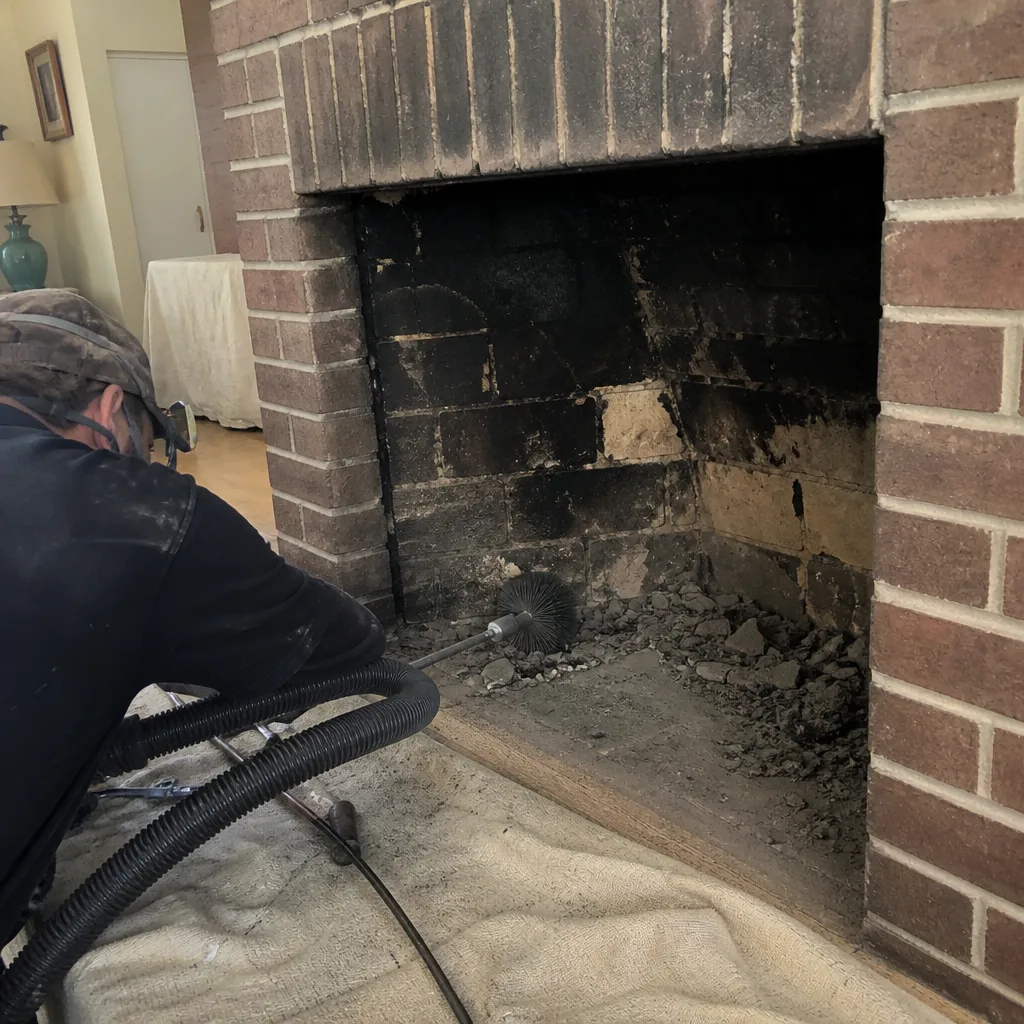 Before
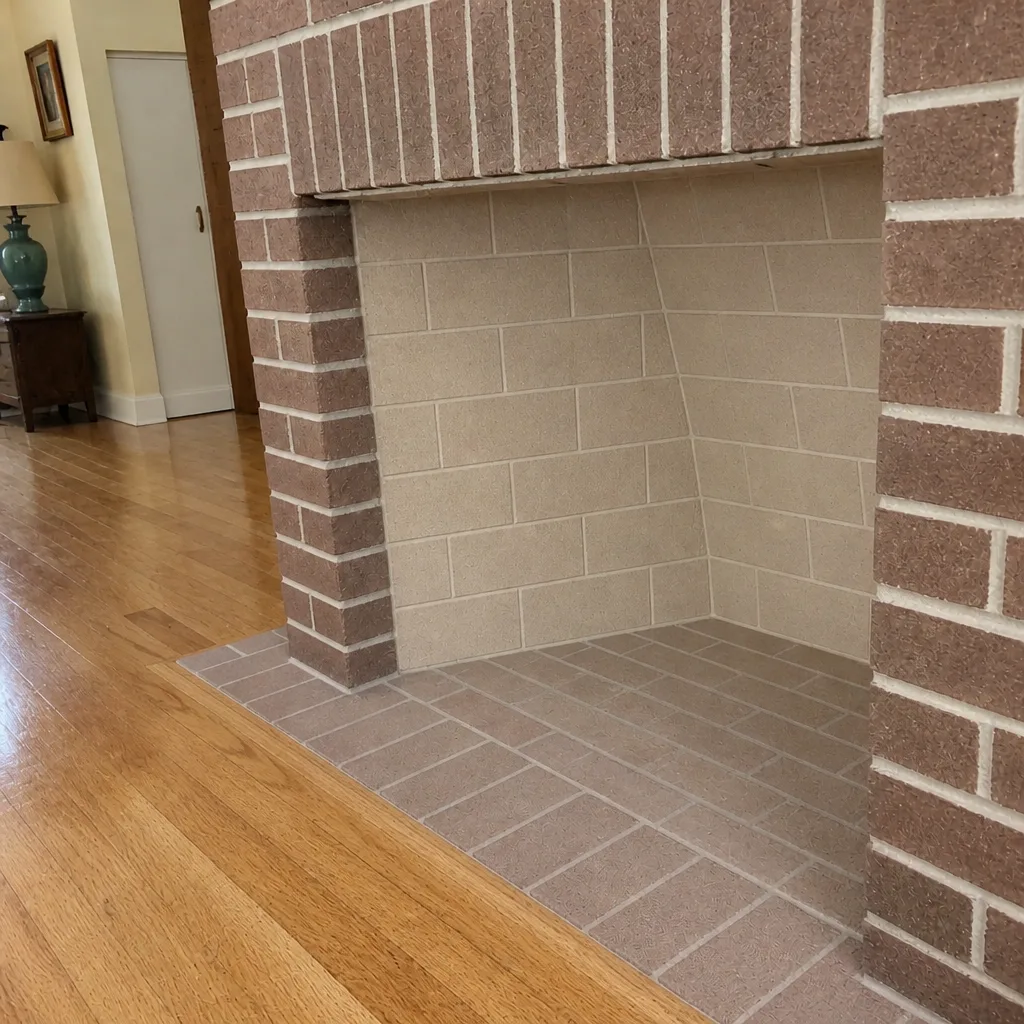 After
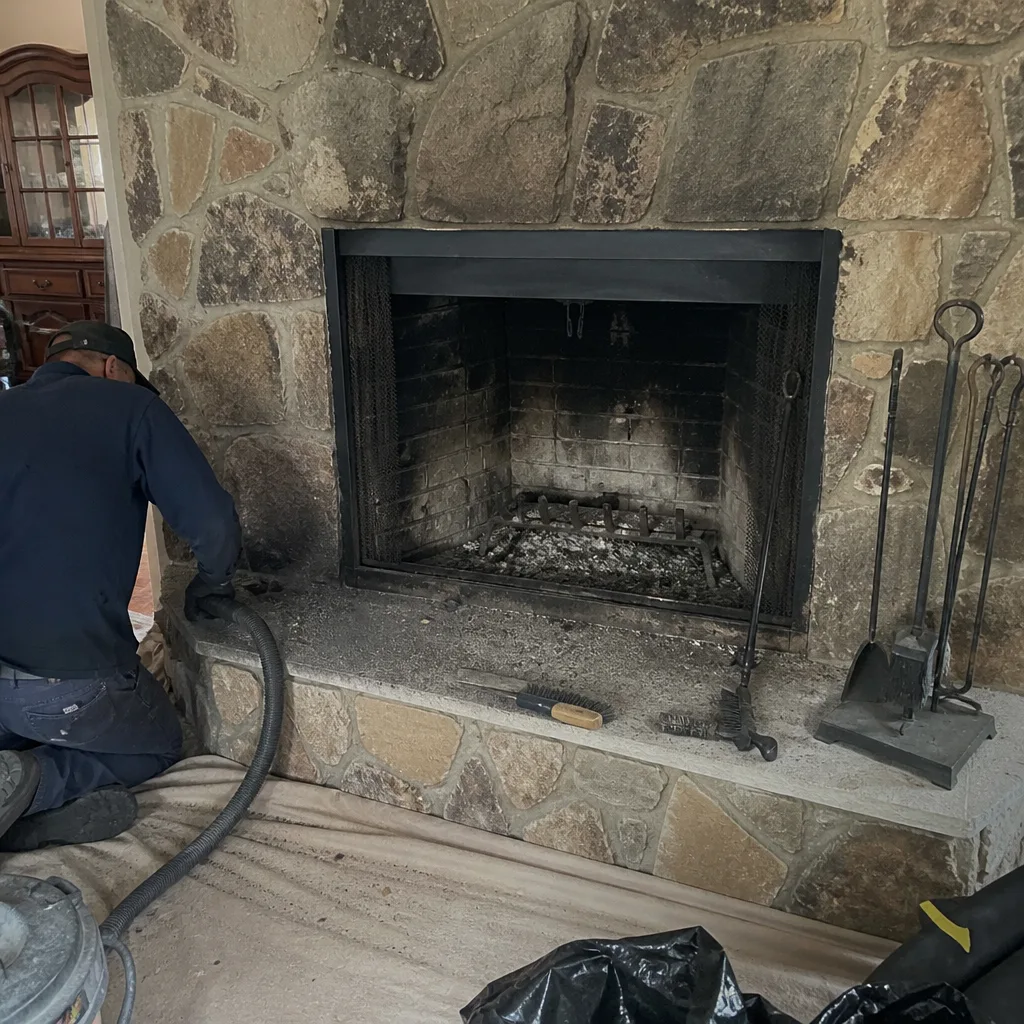 Before
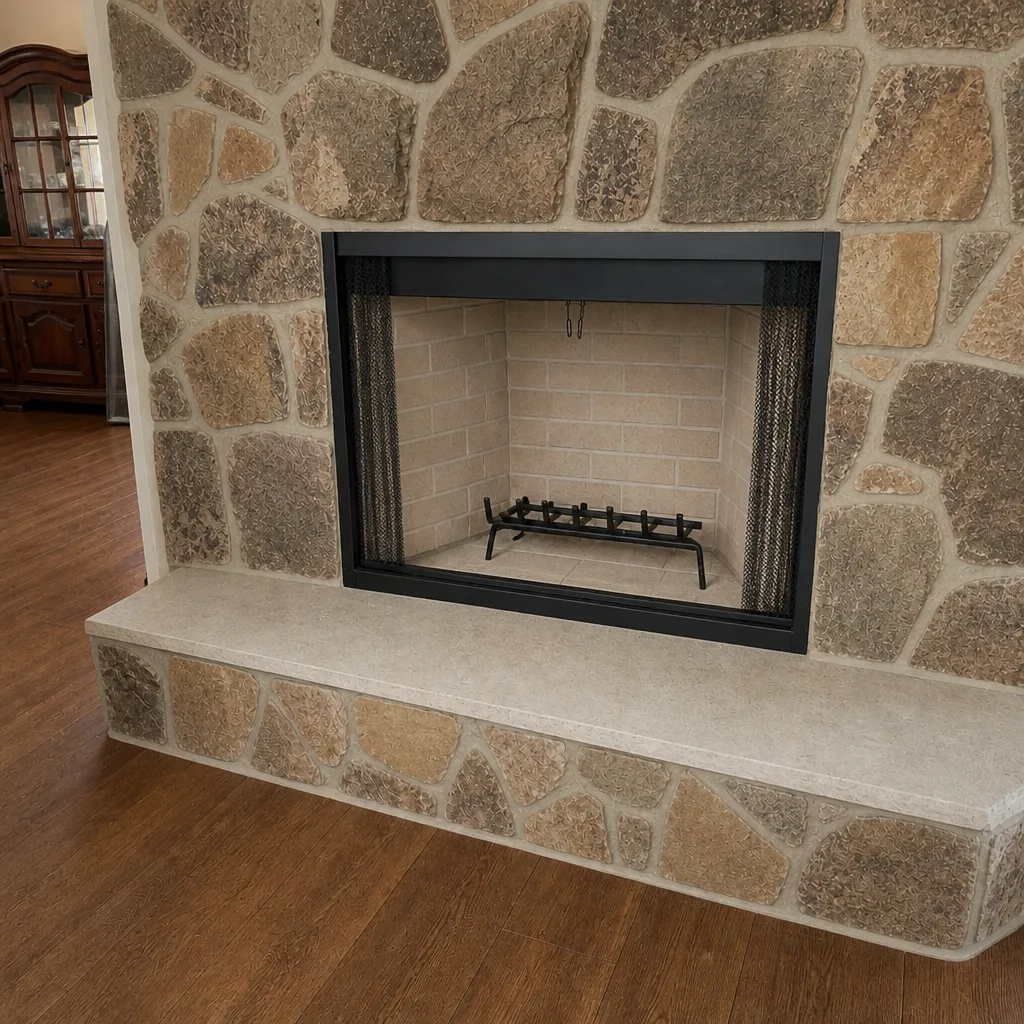 After
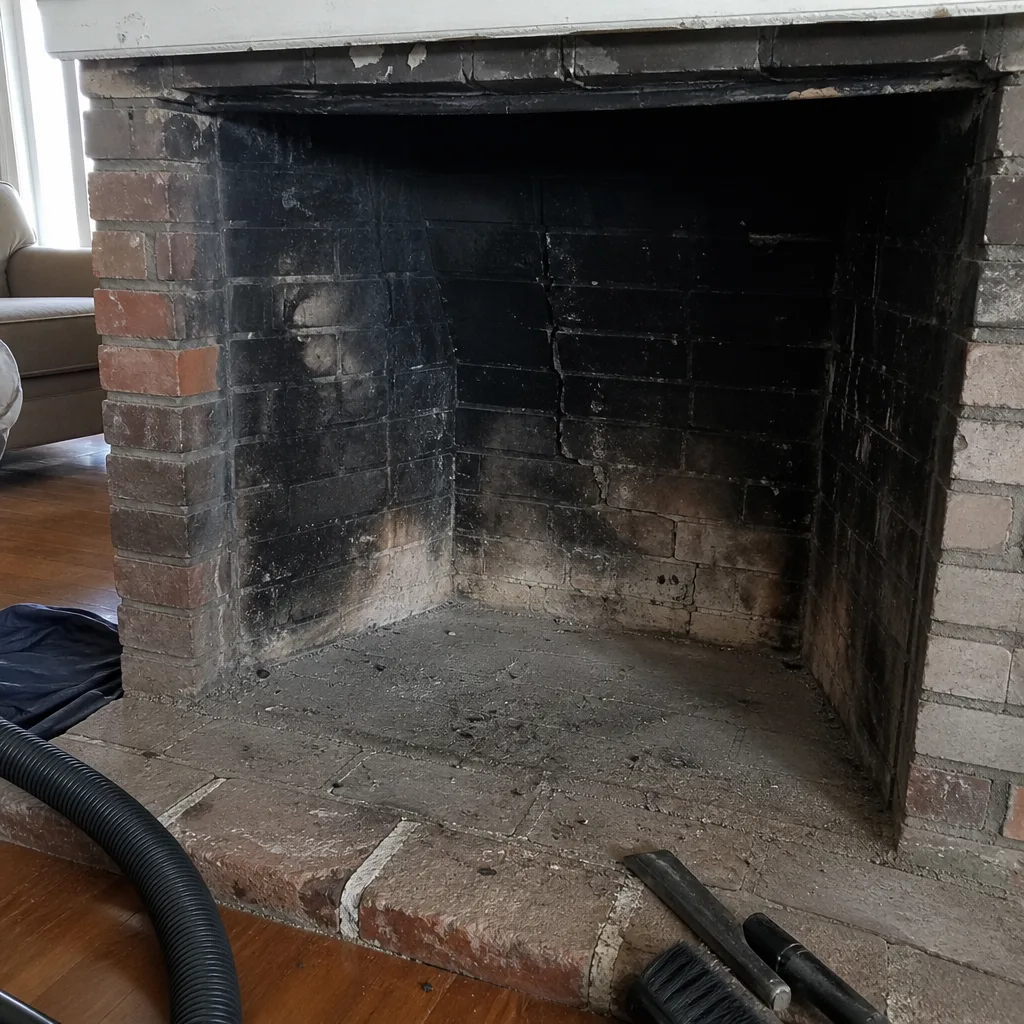 Before
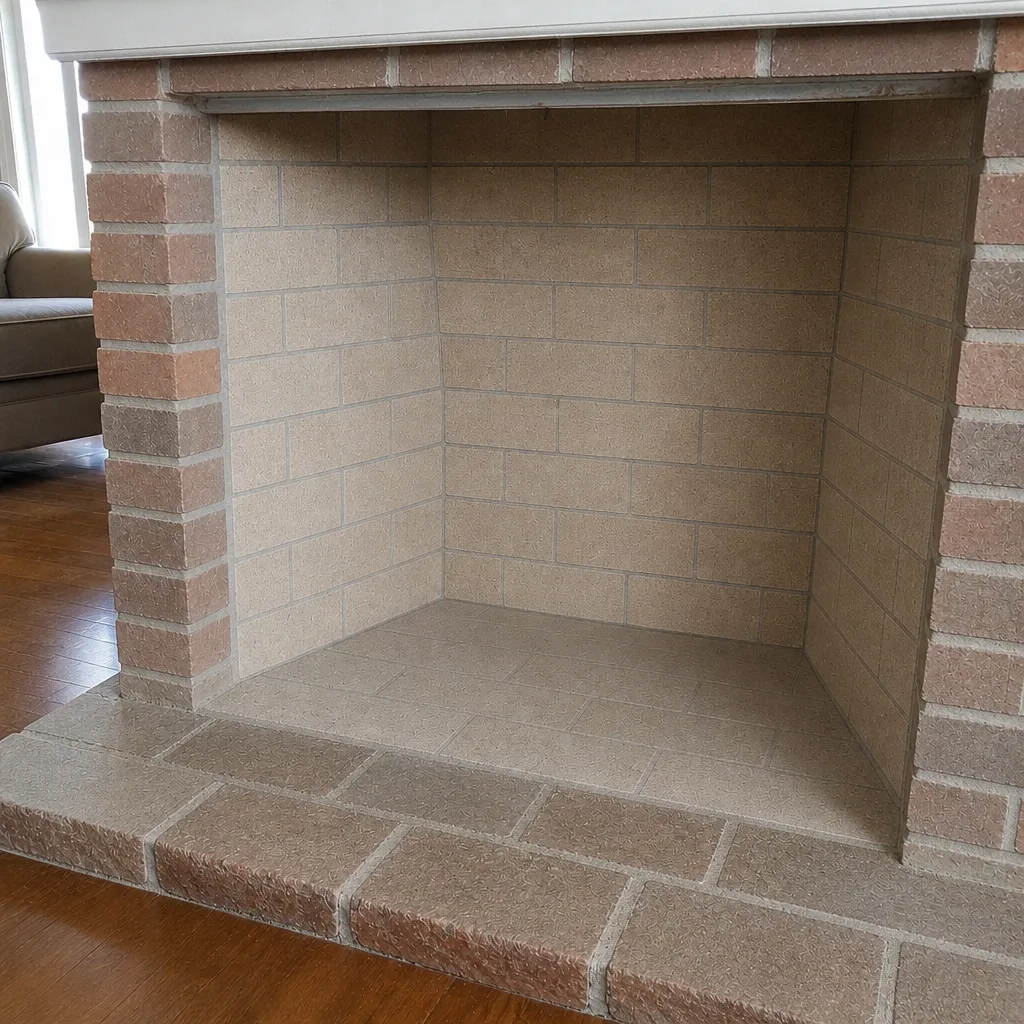 After
Frequently Asked Questions
A standard sweep in the Green Valley Ranch area typically runs $180 to $340, and the written estimate sets the final price after the technician confirms the flue condition and deposit stage. That estimate is free. Call (833) 918-5339 for an exact quote.
Only if the flue is single-story and straight, the deposit is confirmed Stage 1, the clay tile liner is documented in good condition, and you can inspect the smoke chamber and firebox yourself. If any of those is in doubt, a professional sweep is the safer call. Call (833) 918-5339 to book an inspection.
Creosote accumulates in the flue, and at Stage 2 and beyond it’s the fuel that chimney fires burn. Carbon monoxide can also back up into the home if the flue is blocked. Neither is a small risk for a wood-burning appliance. Call (833) 918-5339 for a sweep before the next burn.
Not every liner needs replacing. HeatShield resurfacing can restore a deteriorating liner without a full replacement, and we’re authorized to work with HeatShield for exactly this repair. DuraFlex liners are the right choice when replacement is needed. The camera inspection determines which applies. Call (833) 918-5339 for a free estimate.
Once a year for most homes, before the first burn of the season. If you burn frequently or have a heavily used fireplace, sweep again mid-season. Gas fireplaces need an annual inspection even though the deposit is lighter. Call (833) 918-5339 to schedule.
Yes. A documented inspection report supports a homeowner’s insurance claim and is part of a real-estate disclosure package. A DIY cleaning produces no documentation. Call (833) 918-5339 for a documented sweep.
The Bottom Line
DIY chimney cleaning works only in a narrow box: single-story, straight flue, confirmed Stage 1 creosote, documented good clay tile liner, and a homeowner who can inspect the smoke chamber and firebox. Outside that box, the brush removes the easy deposit and leaves the dangerous deposit, and a false sense of a clean chimney is worse than a known dirty one. The decision comes down to what you can verify. If you can’t verify all four conditions, a professional sweep is the correct call, and the camera inspection, written report, and documented record are what your safety and your insurer actually need. If you can verify them, brush carefully and stay honest about what you didn’t check.
Chimney Sweep Green Valley Ranch provides sweeping, inspection, fireplace repair, and cap and crown work, and our technicians have up to 15 years of experience. We work with professional-grade lines including DuraFlex, HeatShield, Gelco, and Copperfield, and we specify the right product for your flue system rather than a one-size-fits-all fix. Call (833) 918-5339 for a free estimate. We answer 24/7. Fast dispatch from 7am to 7pm, Sunday through Friday.
Written by the team at Chimney Sweep Green Valley Ranch.