
Last updated November 24, 2026
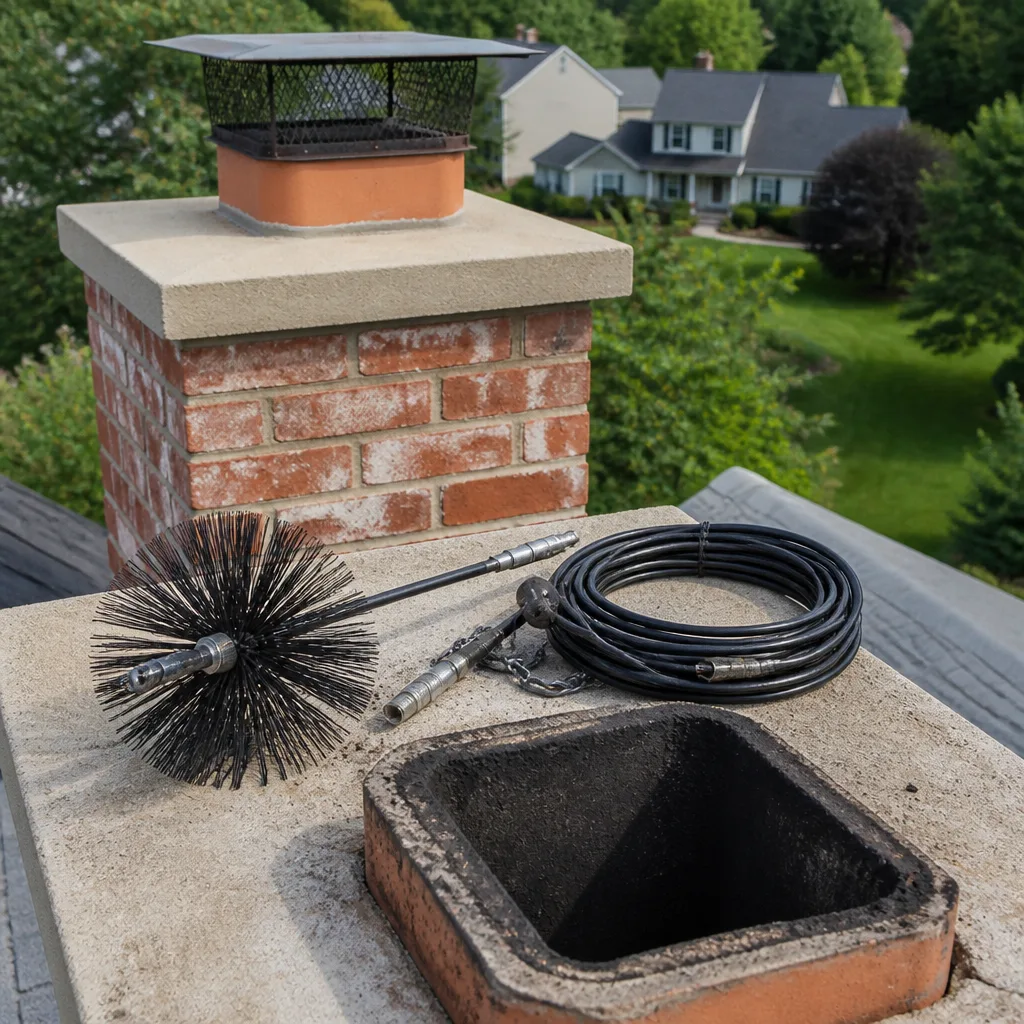 Sweep & inspection
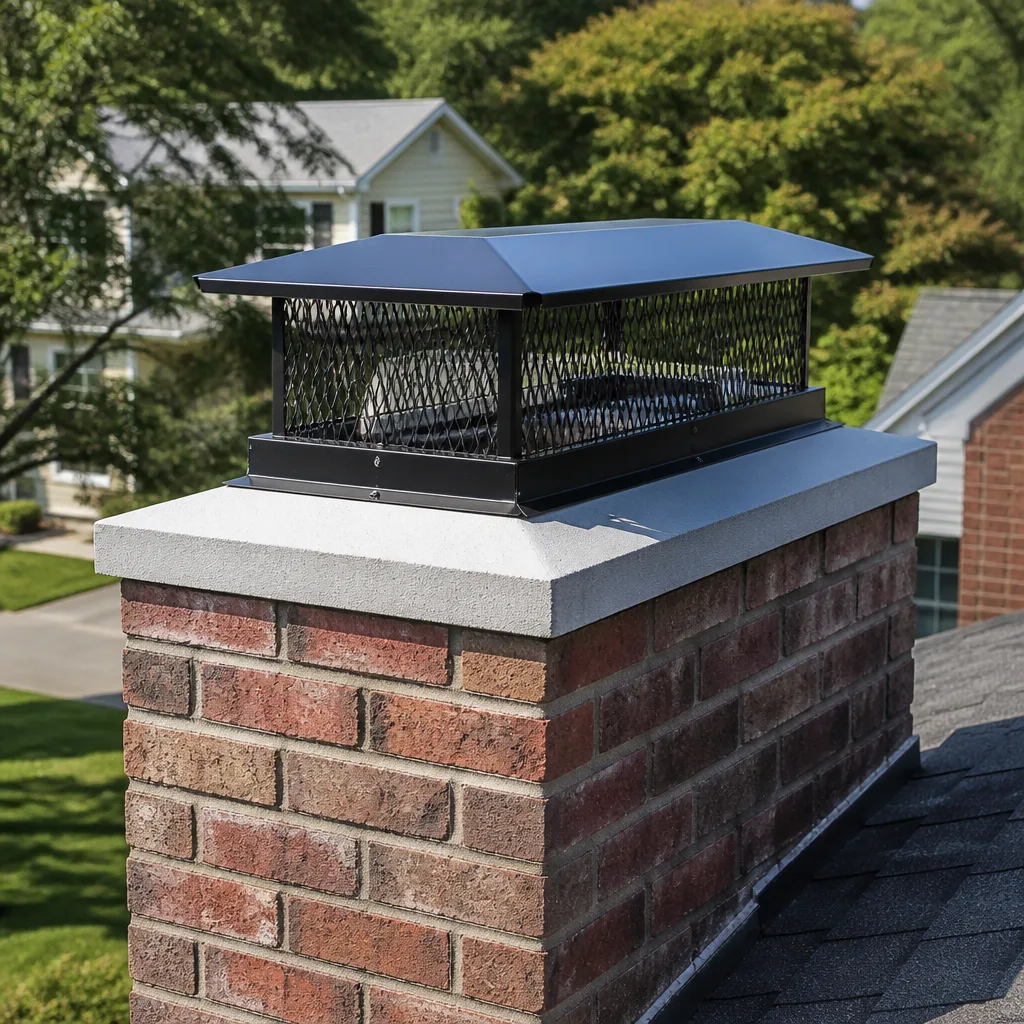 Caps & crowns
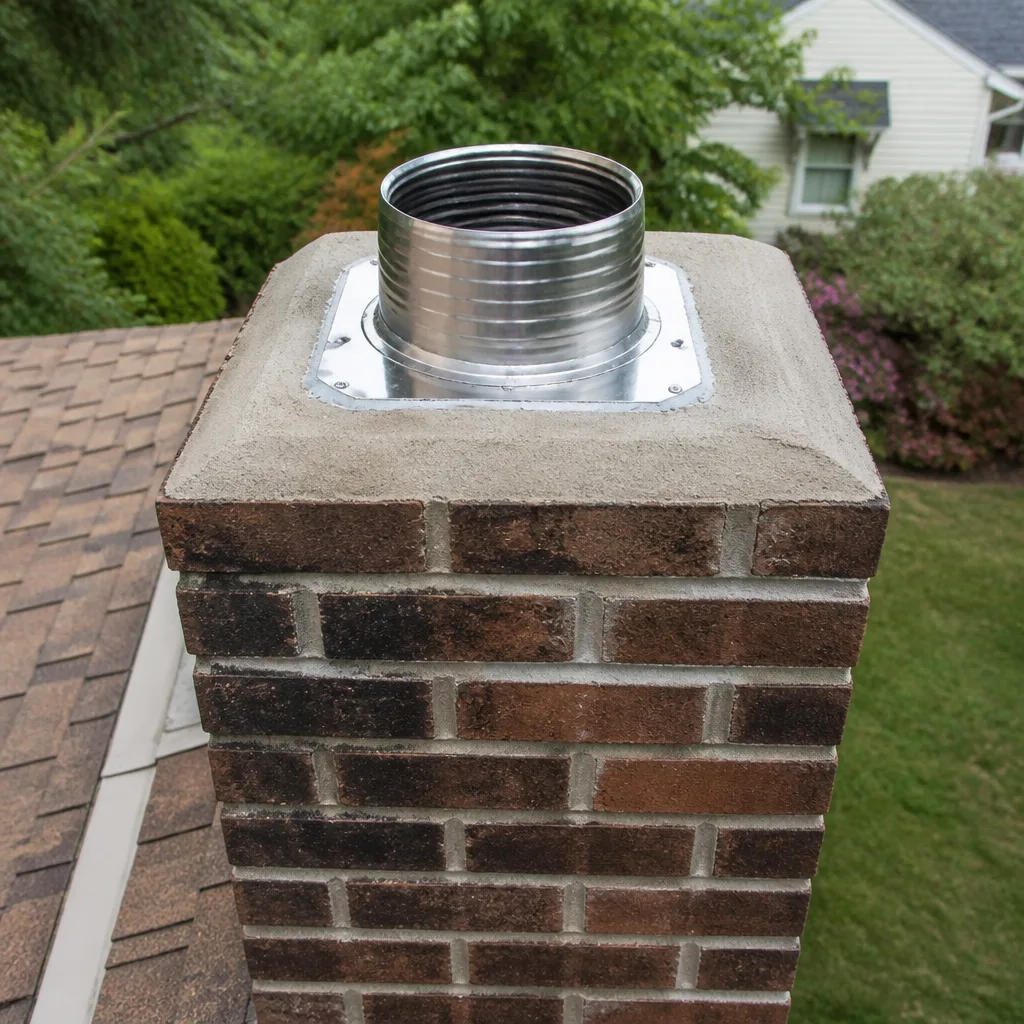 Flue relining
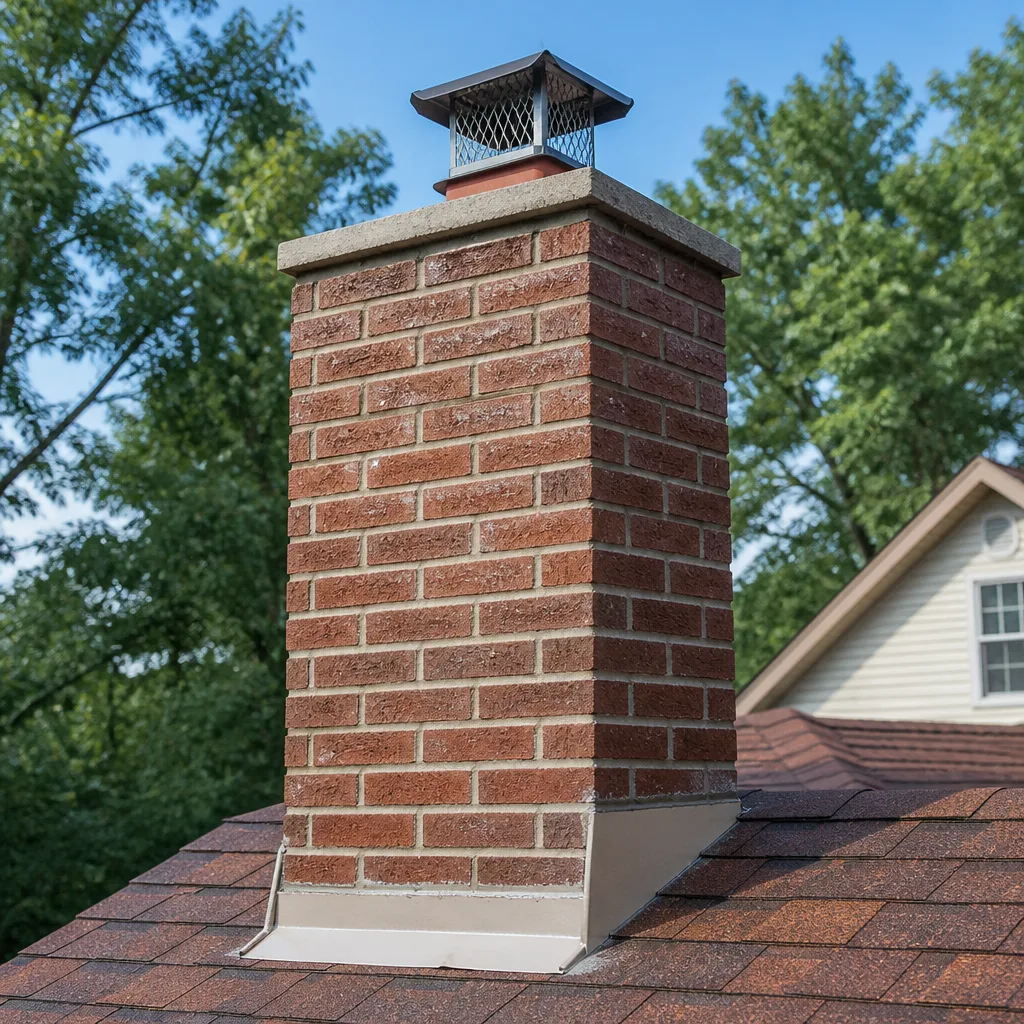 Masonry repair
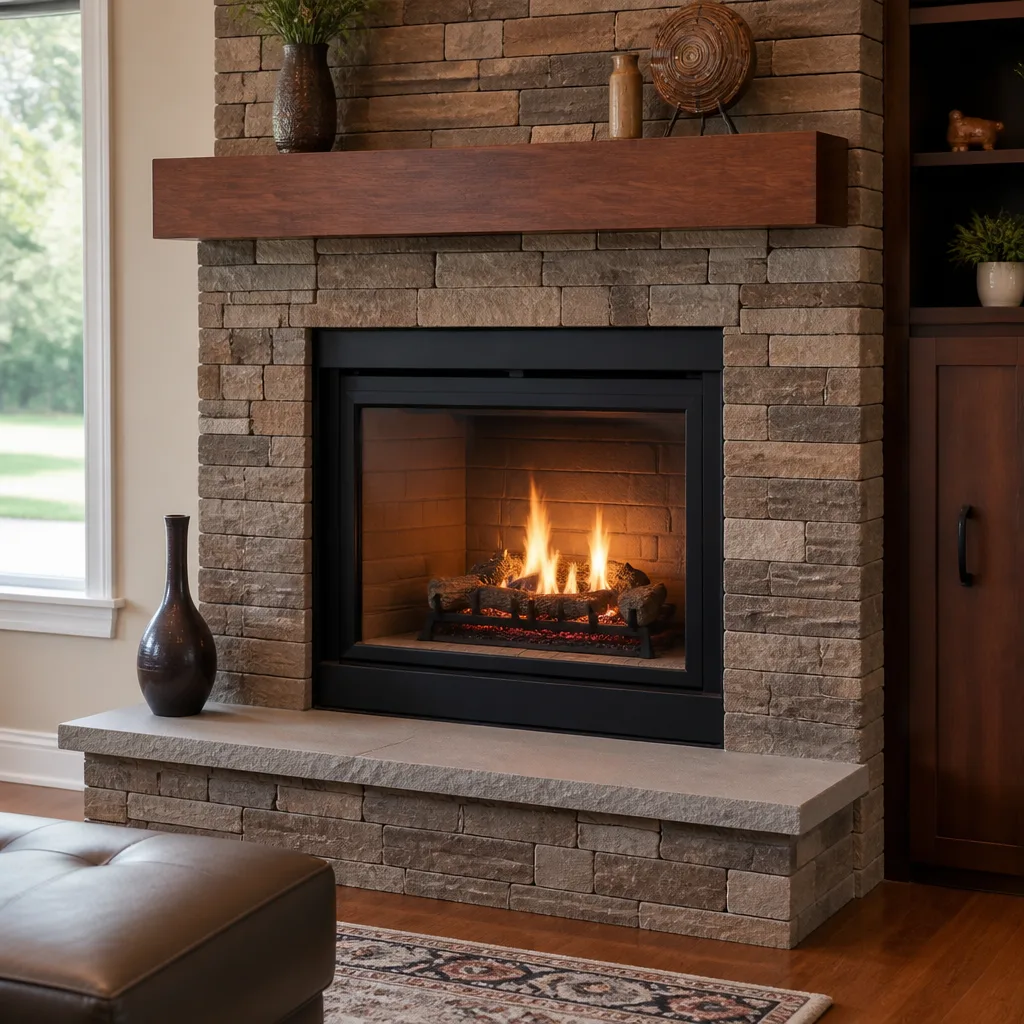 Gas fireplace service
Level 1 sweep and inspection to the NFPA 211 annual standard - flue, crown, cap, and flashing checked and photographed
Chimney sweep logs do not sweep chimneys. They loosen some creosote - which then falls where a brush and vacuum still have to collect it.
Chimney Cleaning Warning Signs: A Green Valley Ranch Homeowner’s Reference Guide
A chimney fire doesn’t announce itself the way most homeowners imagine. Roughly 25% of chimney fires produce no roaring sound and no visible flame; they burn slowly inside the flue, warping liner sections and cracking masonry without anyone in the house noticing. The dramatic symptoms people wait for, like smoke pouring into the room or flames at the cap, show up long after the damage has started. That’s why we wrote this guide around the quiet signals instead. It covers the odors, smoke patterns, interior marks, and exterior staining that precede serious chimney failures, what each one points to structurally, and how a Green Valley Ranch homeowner can read them before an inspection turns into a repair.
Quick Answer
The main chimney cleaning warning signs are a musty or sharp acrid smell that returns after burning, smoke that rolls into the room on startup or comes in after the fire is established, dark marks on the firebox or damper plate, and white or brown staining on exterior brick. Any one of them means creosote buildup, a draft problem, or water intrusion is developing inside the system, and a professional inspection should confirm which. Waiting for visible smoke, flame, or a chimney fire means waiting past the point where the flue can usually be cleaned rather than repaired.
Styles & brands we work with
- Sweep & inspection
- Caps & crowns
- Flue relining
- Masonry repair
- Gas fireplace service
Table of Contents
- What Does Your Chimney Smell Like? Reading the Odor
- What Different Smoke Behavior Tells You
- Interior Warning Signs You Can Check Safely
- Exterior Warning Signs: Staining, Efflorescence, and Spalling
- Why a “Clean” Fireplace Can Be High-Risk
- Burn Patterns and Fuel Choices That Signal Trouble Ahead
- Green Valley Ranch Seasonal Rhythms and When to Schedule
- How a Professional Inspection Confirms What You’re Seeing
What Does Your Chimney Smell Like? Reading the Odor
The smell of your chimney is diagnostic. Homeowners tend to lump every odor into “it smells like a fireplace,” but the specific character of the smell points to a specific failure, and the distinctions matter when you’re deciding whether to book a cleaning or a repair.
- Musty, damp, or basement-like. This is a water sign, not a fire sign. Moisture is entering the flue, usually through a failed cap, a cracked crown, or masonry that has absorbed water and held it. Left alone, damp masonry spalls and the flue lining degrades. A chimney cap & crown inspection is the usual starting point.
- Sharp, acrid, almost chemical. This points to heavy creosote accumulation, particularly the glazed, hardened creosote that forms from repeated hot fires on a fuel that wasn’t burning cleanly. Acrid smell is a warning that the flue is closer to a chimney fire than it should be.
- Outdoor campfire smell inside the house when nothing is burning. This is a draft or backdraft problem. Cold outside air, negative pressure inside the home, or a blocked flue is pulling smoke odor back down the chimney. It often disappears once a fire warms the flue, which is exactly why homeowners dismiss it.
- Strong smoke smell in the room after a fire has burned out. Smoke escaped into the room at some point during the burn, and the residue has settled. This narrows the cause to a draft failure, an obstruction, or a flue that’s undersized for the firebox opening.
In our experience across Green Valley Ranch, the musty and damp category is the one homeowners underrate most. The Front Range swings between dry spells and heavy snowmelt, and water intrusion often appears weeks after the storm that caused it. A faint smell that comes back every spring is telling you the crown or cap failed at some point, not that the house is old. If the odor you notice is specifically musty, keep a written note of when it returns; that pattern is useful evidence at inspection.
What Different Smoke Behavior Tells You
When smoke misbehaves, its timing tells you what kind of problem you have. Two common patterns look similar to a homeowner and point to completely different diagnoses.
Smoke that rolls into the room on startup
This is a draft problem, not a blockage in the firebox itself. When you light a fire, the flue is cold, and cold air is dense. A cold flue doesn’t pull smoke up and out until it warms, so a little smoke on the first minute of a fire is normal in many homes. Persistent smoke on every startup, especially when the fire catches fine, means the flue isn’t developing draft at all. Causes include a flue that’s too short for the chimney height, a flue that’s the wrong size for the firebox opening, or cold air from outside overwhelming a marginal draft. A cap that’s too restrictive or clogged can also be the culprit.
Smoke that comes into the room after the fire is established
This is the more serious pattern. Once a fire is burning hot, the flue is warm and should be pulling hard. Smoke rolling in at that stage points to an obstruction in the flue, a partial blockage from creosote or a nest, or a structural break in the flue lining that’s letting smoke escape into the surrounding chase or into the house. It can also indicate negative pressure from a bath fan or dryer, but that’s easy to rule out by testing whether the smoke appears when those appliances run. If smoke appears with an established fire and no exhaust fan running, book the inspection. Our chimney sweep visits start with camera and visual checks for exactly this reason.
Interior Warning Signs You Can Check Safely
You don’t need to climb anything or put your hands inside the firebox to read most of these. They’re visible from the hearth with a flashlight. Note that none of these visits require you to reach into, disassemble, or diagnose the flue itself; a trained professional handles that, and there are good reasons for the boundary, covered below.
- Look at the firebox walls. Hairline cracks in the firebrick or refractory panels are early signs that the firebox has been over-fired or that moisture has been cycling through it. Cracks larger than a hairline, or any panel that moves under light pressure, warrant an inspection.
- Check the damper plate. The damper should open and close smoothly. A damper that sticks, that won’t sit flat when closed, or that shows rust along its edge is telling you either moisture or heat damage is present. Warped dampers usually mean the system has been run hotter than it was designed for.
- Scan for dark stains on the firebox front. Streaks of dark soot creeping out from the top of the firebox opening, rather than a general light dusting, indicate smoke has been escaping there. That points to a draft problem or a flue liner that’s lost integrity.
- Look up at the smoke chamber. The sloped area just above the damper is where creosote accumulates fastest. If you can see a thick, crusty, or glazed buildup from below, the flue above it is at least as bad.
- Check the hearth for ash patterns. A neat pile of ash inside the firebox is normal. Ash scattered out onto the hearth, or soot streaking across the face of the surround, suggests the system has been backdrafting.
If you find cracks, signs of glazed creosote, or a flue lining that looks compromised, do not run a fire in that fireplace until a professional inspects it. Our technicians have up to 15 years of experience and treat liner and masonry damage as a stop-burning condition until it’s verified. That’s not caution for its own sake; it’s how liner failures become house fires.
Exterior Warning Signs: Staining, Efflorescence, and Spalling
The outside of the chimney tells you where water enters the system, and knowing that origin matters more than the stain itself. Walk the exterior once a season, ideally after snowmelt. Here’s what to look for and what each pattern means:
- White, powdery staining (efflorescence). Salts have migrated to the surface as moisture moved through the masonry and evaporated. Efflorescence itself is cosmetic, but its presence confirms water is traveling through the brick. Look for the source: a cracked crown, failed flashing at the roofline, or a cap with no overhang.
- Brown or rust-colored streaks. These run downward from the cap area or from a seam. They usually indicate metal components between the cap and flue have begun to corrode, and rust stains spreading downward often precede cap failure.
- Greenish staining. If you have a metal chase cover or a metal cap, green staining is oxidation from copper or galvanized components. It means the material is aging faster than it should, and often the fix is a properly spec’d cap rather than a patch.
- Spalling. Brick faces flaking off in layers. This is the point where moisture damage has moved from cosmetic to structural. Spalling happens after repeated freeze-thaw cycles, so Colorado homes see it move faster than homeowners expect. This is where the material choice in the cap or crown matters; a factory-fit chimney cap & crown in a proper material outlasts generic hardware enormously.
- Dark staining below the cap or at the roofline. Usually smoke and creosote escaping past the cap, sometimes masonry that’s letting smoke travel through instead of up the flue.
Green Valley Ranch sits on the eastern side of the Denver metro where the freeze-thaw swing is pronounced. That swing is the reason a small crack in a crown becomes a spalled brick face in one or two winters rather than five. Getting the cap and crown fitted correctly, rather than patching with caulk, is the single most effective thing we specify for exterior protection.
Why a “Clean” Fireplace Can Be High-Risk
A tidy fireplace is not a safe fireplace. We have to say this plainly, because it’s the misreading we correct more than any other. A firebox with no visible ash, a hearth with no soot, and blackened firebrick that has been scrubbed clean are all easy to keep immaculate while the flue quietly accumulates a serious hazard.
The reason is that the firebox is a small chamber at the base of a much larger system. Creosote accumulates in the flue, not in the firebox, and the difference between a safe amount and a dangerous amount is measured in coatings you can’t see without a camera or a proper sweep. Some of the highest-risk systems we inspect are the ones a homeowner has used lightly and cleaned meticulously from the front.
Creosote forms in three grades that matter for diagnosis:
- First degree: a light, flaky soot. Normal, cleanable, and the grade most annual sweeps remove.
- Second degree: a crusty, flaky layer that has begun to bond. This is where a chimney sweep needs to be more thorough than a brush pass, because the deposit clings.
- Third degree: glazed, hardened, tar-like creosote that has essentially welded to the flue surface. This is where the chimney is closest to fire risk, and where a brush alone is not sufficient.
The second reason a clean fireplace can be high-risk is fuel choice. Treated lumber, pallets, wet or “green” wood, and trash burned in a fireplace generate creosote and corrosive compounds much faster than well-seasoned firewood. A homeowner burning the wrong fuel and keeping a spotless hearth has, effectively, the worst of both conditions: no visual evidence of a problem, and a flue that’s accumulating one faster than average.
Burn Patterns and Fuel Choices That Signal Trouble Ahead
How a fire behaves during the burn is a useful early warning. You don’t need to hover over it, but paying attention to a few consistent patterns catches problems before they become structural:
- Wood that smokes heavily at first then clears. Some smoke off the fuel as it heats is normal, but wood that smokes for a long stretch of the burn is usually too wet. Wet wood is the leading cause of heavy creosote because the fire is cooled as it burns, and cooler flue gases deposit more tar.
- A fire that wants to die unless it’s fed constantly. This can be a draft problem pulling heat up too fast, a flue that’s oversized for the firebox, or a fire that’s smoldering instead of burning clean. Smoldering fires are creosote factories.
- Black glass on a wood stove door, or heavy sooting on a fireplace surround. Both point to incomplete combustion: too much fuel, too little air, or a fire that isn’t reaching the temperature that burns off tars. A persistent pattern of black glass is a signal to have the flue looked at, not just cleaned.
- A fire that smells strongly of smoke even while it’s burning. This is the draft-couple problem again; smoke is escaping somewhere it shouldn’t, and the creosote deposits will be heaviest in the sections doing the escaping.
- A fire that starts fine but backs up when the fire dies down. This is a symptom known as a cool-down backdraft, and it often signals a chimney cap that is too restrictive, a flue that has cooled before the smoke has cleared, or a drafting problem at the top of the stack.
In short: a fireplace that burns clean, smells neutral, and pulls smoke steadily from startup through cooldown is behaving correctly. Any deviation from that, repeated across several fires, is worth a professional look. It’s also why we install manufacturer-specified caps rather than generic hardware; a cap that’s the wrong size or shape changes the draft behavior of the whole system, quietly and for years.
Green Valley Ranch Seasonal Rhythms and When to Schedule
Fireplace use in Green Valley Ranch concentrates into fall and winter, but the damage happens year-round. Water intrusion and freeze-thaw damage in this part of Colorado follow a predictable rhythm:
- Late winter and early spring: the freeze-thaw cycle stresses masonry and crowns that took on water the previous season. Walk the exterior now, before new snow covers stains and cracks. Efflorescence is easiest to see before spring rain washes it off.
- Spring: the best window for chimney cap & crown work, because moisture damage is visible and the weather is stable enough for a proper installation rather than a rushed one.
- Late summer: the right time to schedule a seasonal sweep and inspection, ahead of the burning season. Booking ahead of first cold snap means a flue that’s clean, checked, and confirmed safe before the first fire.
- Fall and winter: the burning season. Watch for the warning signs above during this window: smoke behavior, odor, and the firebox marks. If a problem shows up mid-season, an inspection over the break still protects you.
One practical note: chimney work and inspection are best scheduled around weather, not demand. A sweep booked ahead of burning season gets a full camera inspection and a proper written report, rather than a rushed pass between storms. Our Green Valley Ranch inspection work is booked that way, and the report is written to support insurance, real-estate, and safety documentation needs.
How a Professional Inspection Confirms What You’re Seeing
An inspection takes the warning signs you’ve noticed and turns them into a diagnosis. The process follows a specific sequence:
- Exterior survey. The technician checks the chimney top, cap, crown, and flashing for the staining and spalling patterns above, because the exterior is often the clearest record of where water enters.
- Firebox and smoke chamber review. Cracks, damper condition, and the creosote grade on the smoke chamber walls are recorded.
- Camera inspection of the flue. The sweep’s camera feeds back the condition of the full liner run, looking for gaps, warped sections, and heavy creosote. A properly done inspection photographs what it finds, so you’re not taking anyone’s word that the flue needs thousands of dollars of work.
- Draft test. The technician checks that the system pulls through a full burn cycle, catching the smoke-behavior problems you may have noticed only during startup.
- Written findings. Findings are documented. Anything critical is flagged for immediate attention, and anything that’s a “watch and re-check next season” gets said as such.
This is where the difference between a general handyman and a specification-grade chimney specialist shows up. If the camera finds liner deterioration, the findings determine whether a full liner replacement is warranted or whether a HeatShield resurfacing can restore the liner without the replacement. HeatShield is a repair option many general chimney companies simply can’t offer, and it’s a case where the right answer depends on the actual material condition, not the cheapest quote. When the diagnosis calls for a full reline, the material matters too; DuraFlex is one of the professional lines we work with because it’s specified for the actual flue system rather than fitted by habit.
The other piece we want to be clear about: the same technician who diagnoses a problem is accountable for the repair. We inspect it and we fix it, so the hands that confirmed the liner damage are the hands that correct it. If the fix involves masonry or cap work, that runs through our own scope rather than a second contractor. When we say the flue needs work, we can back it up with camera evidence you can see, and we’ll tell you plainly when a repair can wait safely.
Common Mistakes to Avoid
- Waiting for a dramatic symptom. A chimney fire that produces no sound or visible flame is still a chimney fire, and the flue damage is real. Waiting for smoke in the room or flames at the cap means waiting past the point where the flue can be cleaned rather than repaired.
- Dismissing the musty smell as “old house.” In Green Valley Ranch’s climate, damp smell in the chimney is almost always a cap, crown, or flashing failure. Addressing the exterior today costs far less than the masonry damage that follows one more freeze-thaw season.
- Burning wet wood because it’s what’s available. Wet fuel deposits creosote at a much higher rate than seasoned wood. It’s a small decision, but over a winter it’s the difference between a first-degree and a third-degree creosote situation.
- Treating a clean firebox as a safe system. The firebox looks fine from the front and accumulates creosote in the flue beyond where you can see. Annual inspection catches the difference.
- Letting a handyman cap the chimney. A generic hardware-store cap changes draft behavior and often fails within a couple of winters in this climate. A Gelco or Famco cap fitted to the actual flue size and chimney top is a different product, and the difference is visible after five years of Front Range weather.
- Skipping the inspection because the fireplace “works fine.” A system that pulls correctly can still have a cracked liner, water damage, or a cap that’s about to fail. The signs are what you can’t see from the hearth.
- Getting the diagnosis and the repair from different contractors. When the inspector’s report and the repairer’s scope are separated, any disagreement about what’s actually necessary gets expensive. One accountable party is worth more than a lower bid.
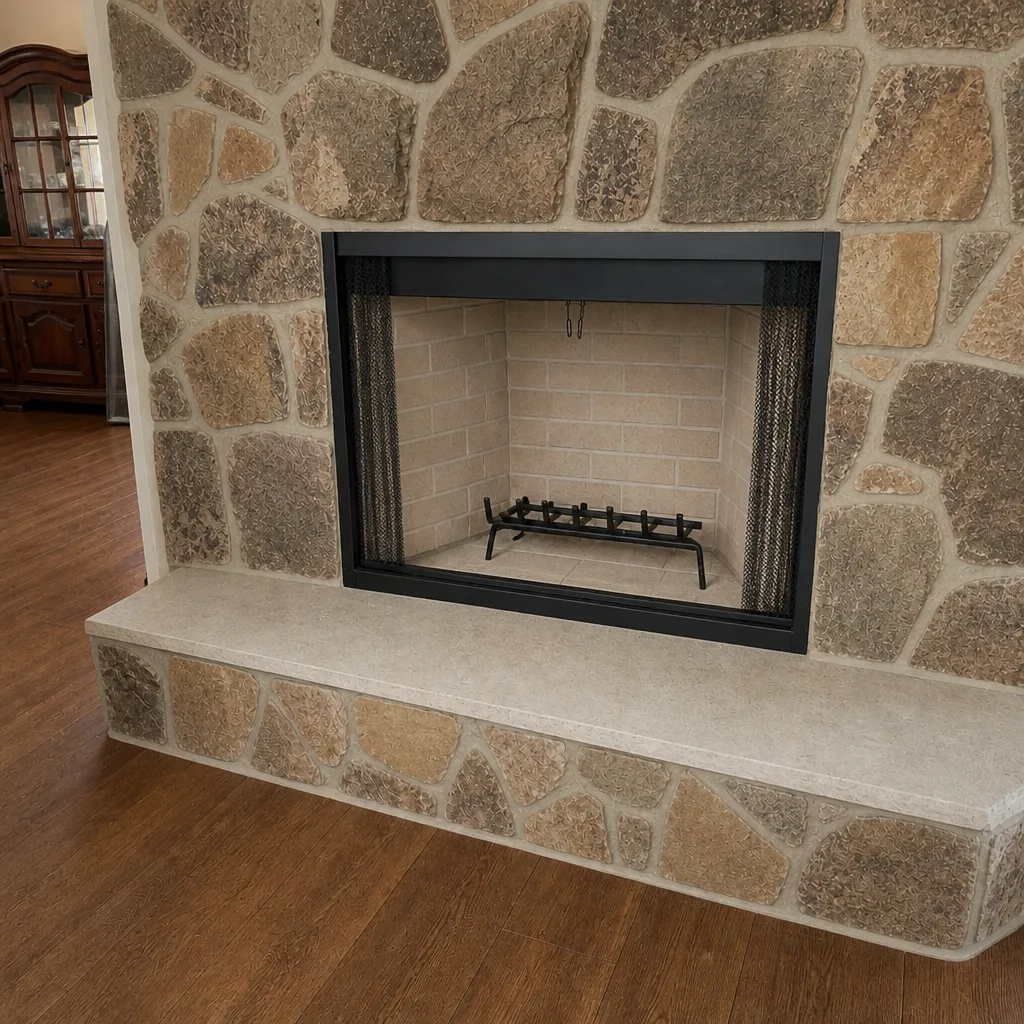
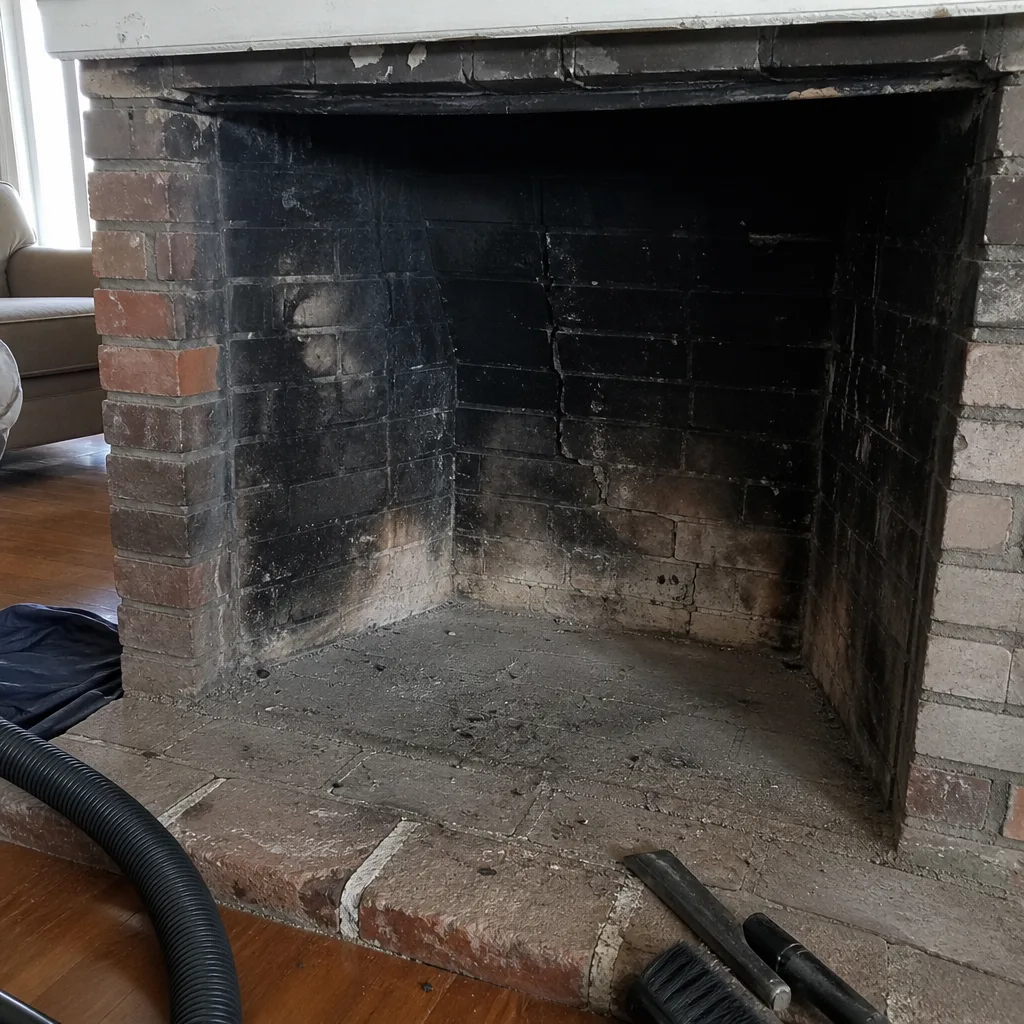
See the difference
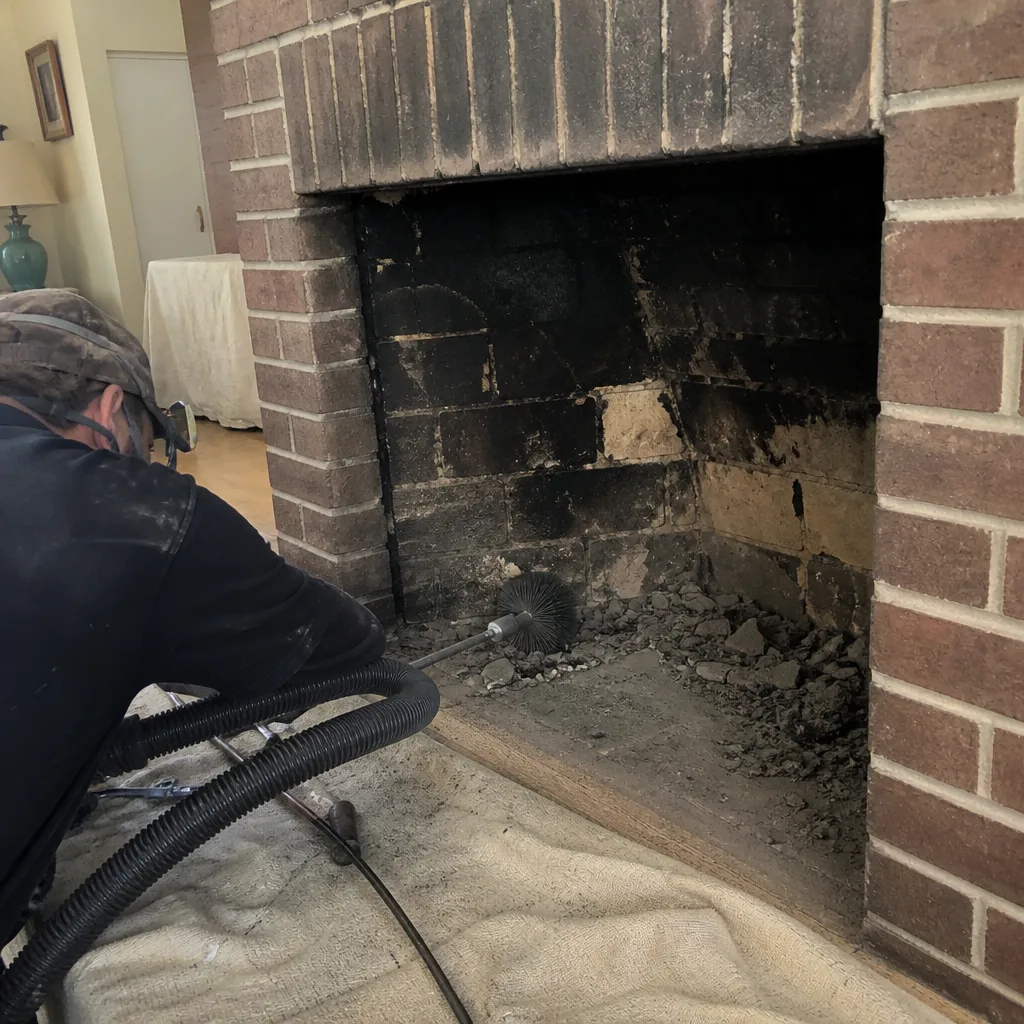 Before
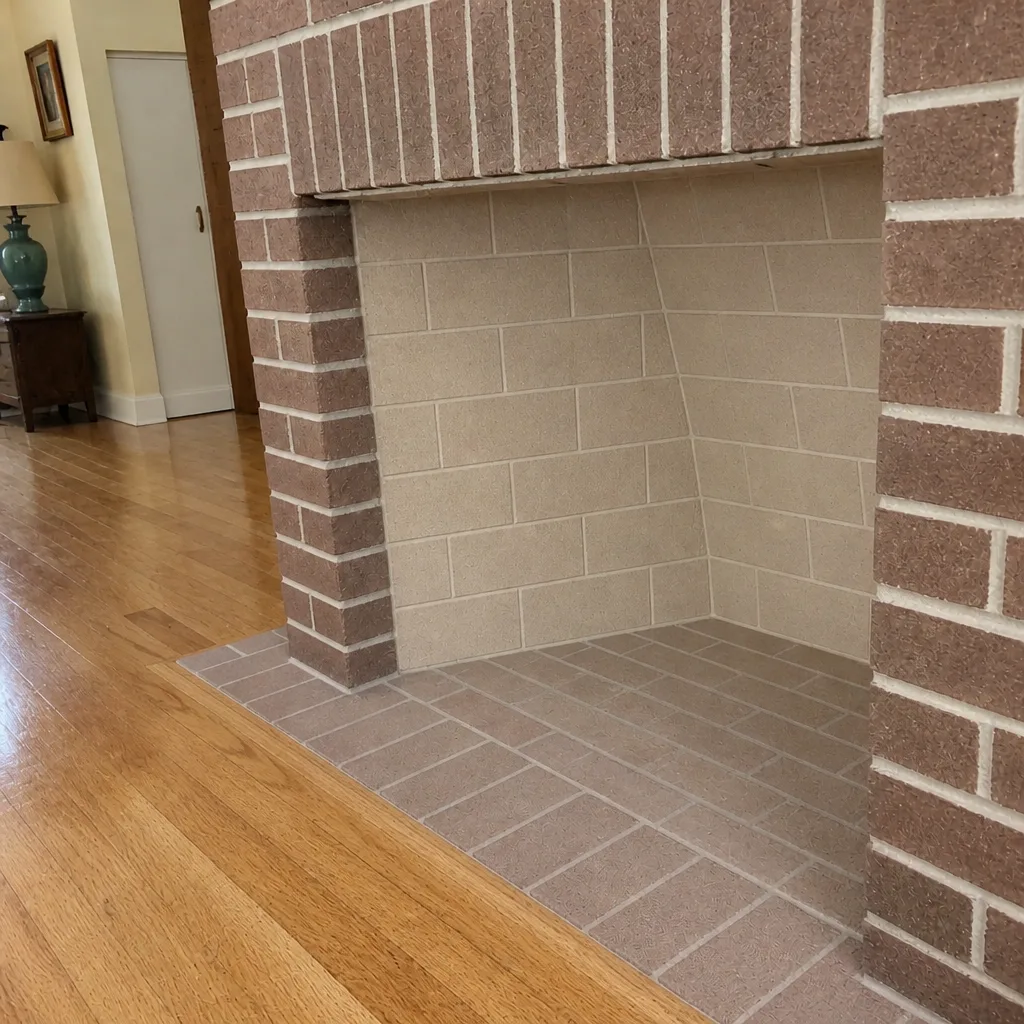 After
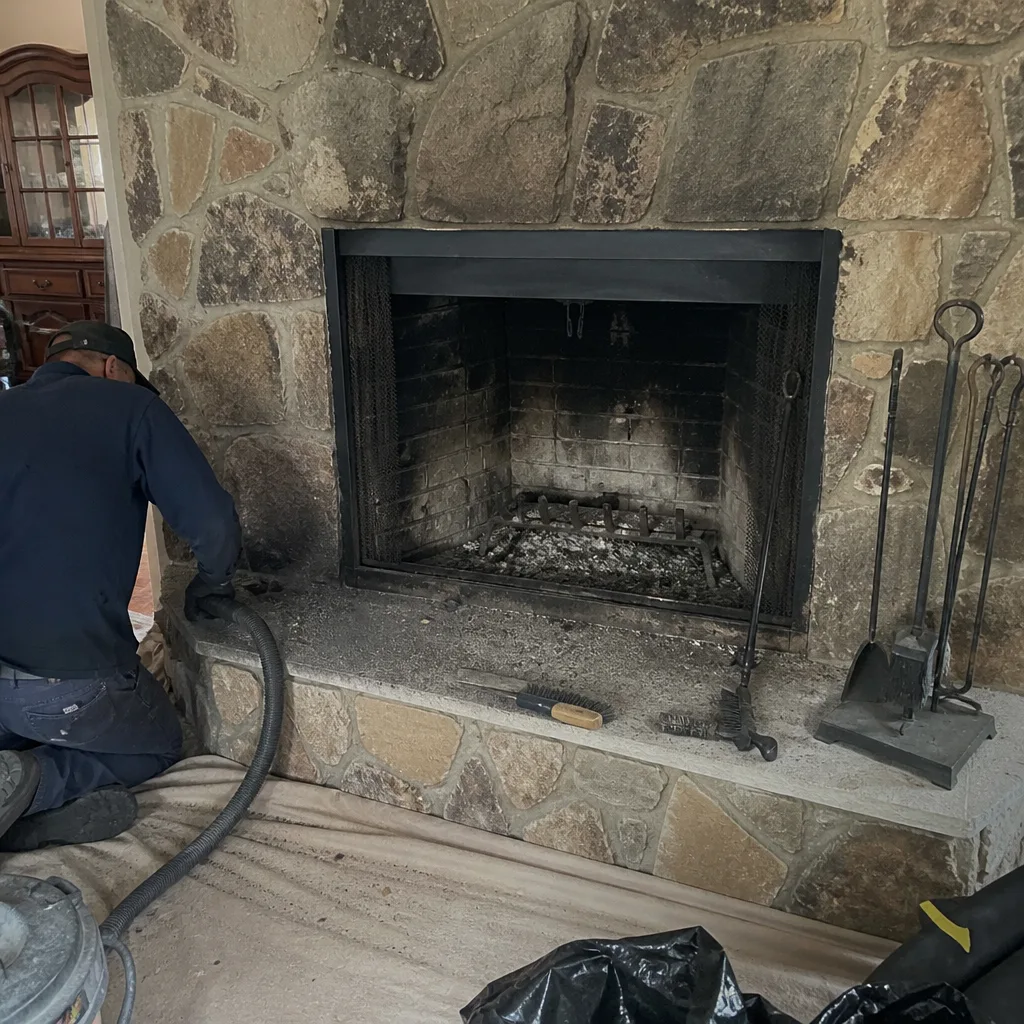 Before
 After
 Before
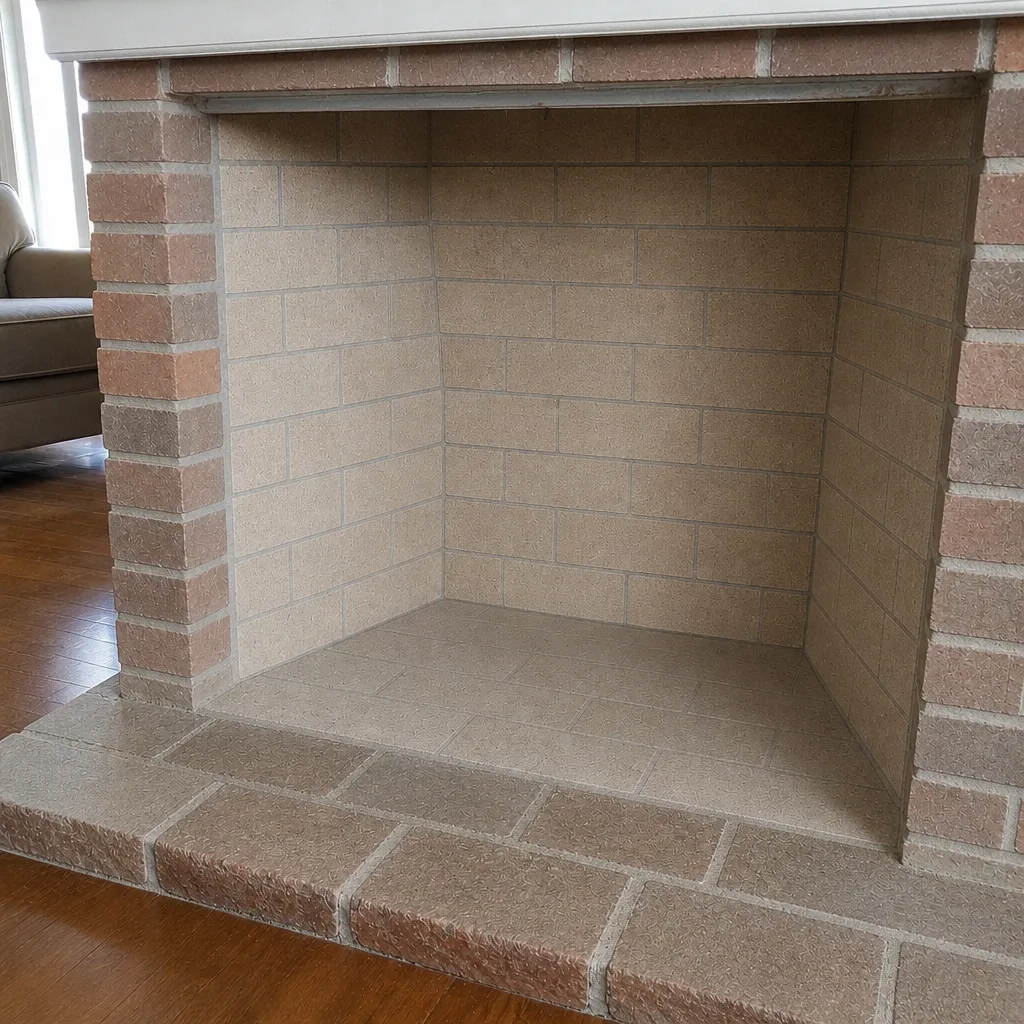 After
When to Call a Professional
Call a professional when you notice a repeated odor, persistent smoke behavior, visible firebox or damper damage, or exterior staining that reappears after a season. Call before you light a fire in a system with a cracked firebox or a compromised liner, because those are stop-burning conditions until they’re verified. Call if a chimney fire is suspected, even if you saw nothing and heard nothing, because the flue may have been damaged without any visible sign. And call ahead of the burning season for a routine inspection, which is where the cheapest problems are found.
Chimney Sweep Green Valley Ranch offers free estimates in Green Valley Ranch. Call (833) 918-5339. We answer 24/7. Fast dispatch from 7am to 7pm, Sunday through Friday.
Frequently Asked Questions
Most chimneys should be swept annually, and the inspection should confirm the creosote grade and liner condition at the same time. A system used heavily, or one burning wet or treated wood, may need a sweep more often than that. For the full scope of what a sweep and inspection includes, our Chimney Sweep Green Valley Ranch page covers the process. Book ahead of fall so the flue is ready before the first burn.
A musty smell means moisture is entering the flue, most often through a failed cap, a cracked crown, or deteriorated flashing at the roofline. In Green Valley Ranch’s freeze-thaw climate, that moisture is the beginning of spalling and masonry damage, so it’s worth an inspection before the next winter. Call (833) 918-5339 to book a free estimate.
Yes. Roughly a quarter of chimney fires produce no roaring sound or visible flame, and burn slowly inside the flue while warping the liner and cracking the masonry. That’s why the warning signs in this guide matter more than waiting for a dramatic event. If you suspect a chimney fire occurred, don’t light another fire until it’s inspected; call us to schedule.
Only a camera inspection can answer that reliably, because the difference depends on how much of the liner’s structure has failed. A HeatShield resurfacing can restore a deteriorating liner without a full replacement, and a full reline with a product like DuraFlex addresses cases where the liner is beyond resurfacing. Nothing is recommended without camera evidence you can see. Call (833) 918-5339 for an inspection and quote.
No. Spalling means moisture has penetrated the masonry and is flaking the brick faces through freeze-thaw cycles, which moves faster here than in milder climates. Ignoring it lets the damage progress into the crown and above. A free estimate tells you whether the fix is a cap and crown replacement or a repair to a larger area.
Smoke that appears after the fire is established points to a partial flue obstruction, a break in the liner, or negative pressure from a bath or dryer fan. It’s the more serious smoke pattern and should be looked at rather than tolerated. We answer 24/7 at (833) 918-5339, and we can book a fireplace repair evaluation if the firebox itself is showing damage too.
The Bottom Line
Chimney failures announce themselves early, just not loudly. The musty smell, the smoke that rolls back on startup, the dark streak on the firebox, the white bloom on the brick, the fire that never quite burns clean: each is a specific signal about a specific failure, and each is far cheaper to correct at the first sign than after a winter of freeze-thaw and creosote. A clean firebox proves nothing about the flue. Green Valley Ranch homeowners who learn to read these signs have a real advantage: they catch the problem while it’s still a cleaning and a cap, not a liner and a masonry repair. If any of these signs are familiar, get it looked at.
Call (833) 918-5339. We answer 24/7. Fast dispatch from 7am to 7pm, Sunday through Friday. Estimates are free, and the written estimate sets the final price. You can also start with our Chimney Sweep Green Valley Ranch page to see the full service scope.
Written by the team at Chimney Sweep Green Valley Ranch.