
Last updated November 24, 2026
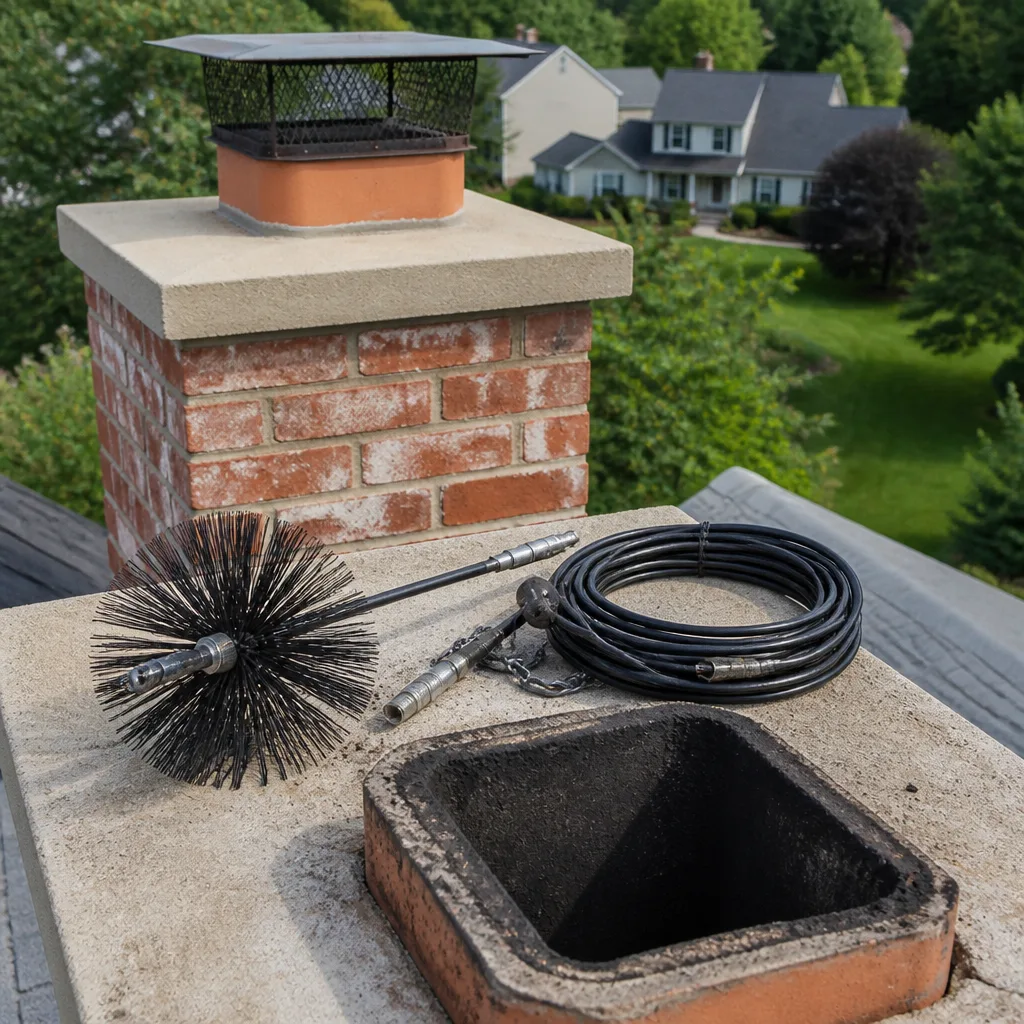 Sweep & inspection
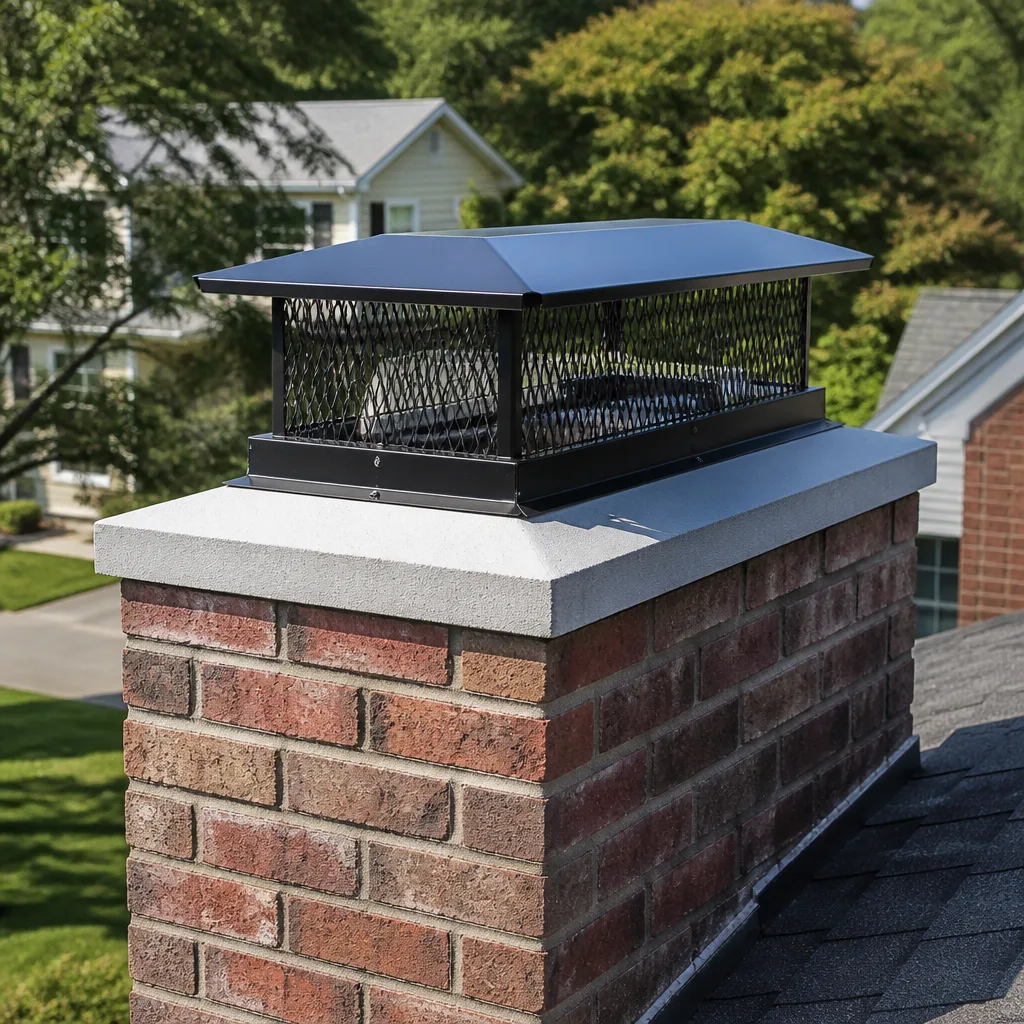 Caps & crowns
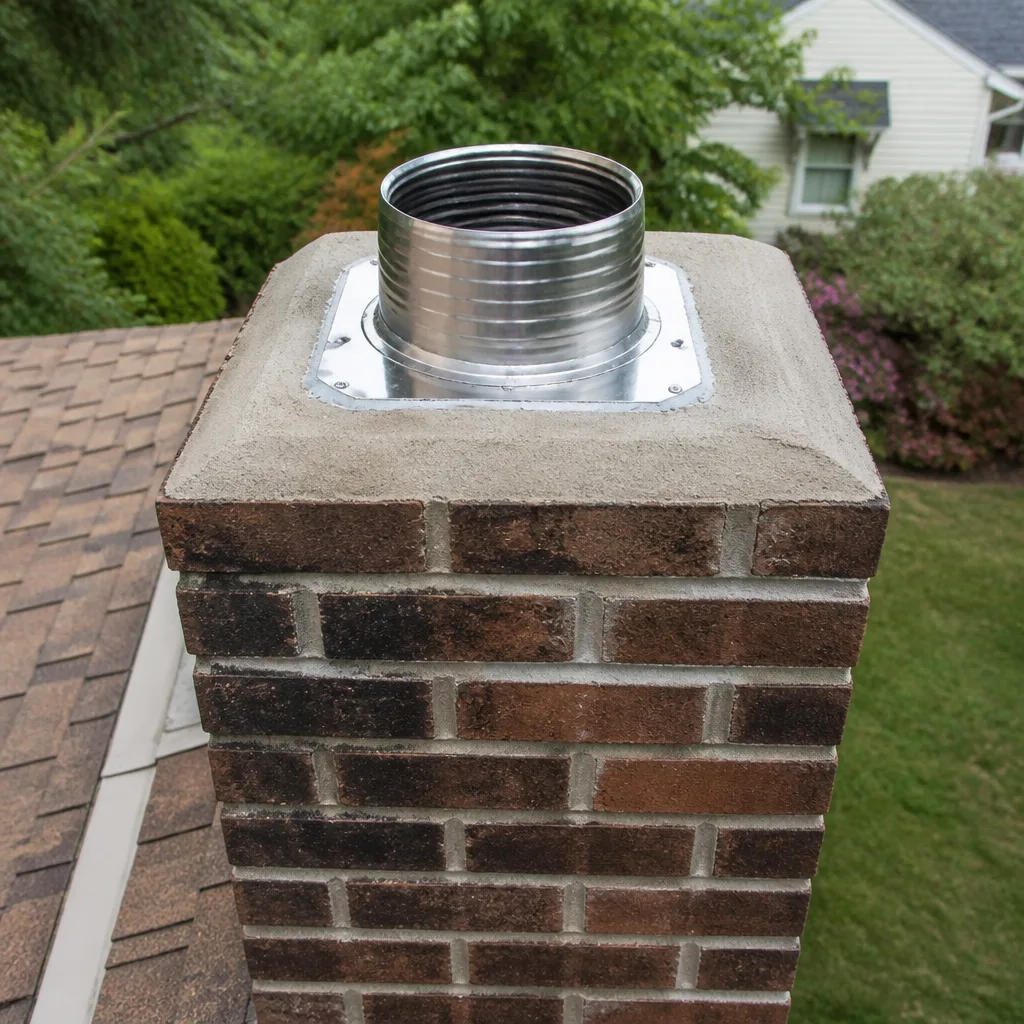 Flue relining
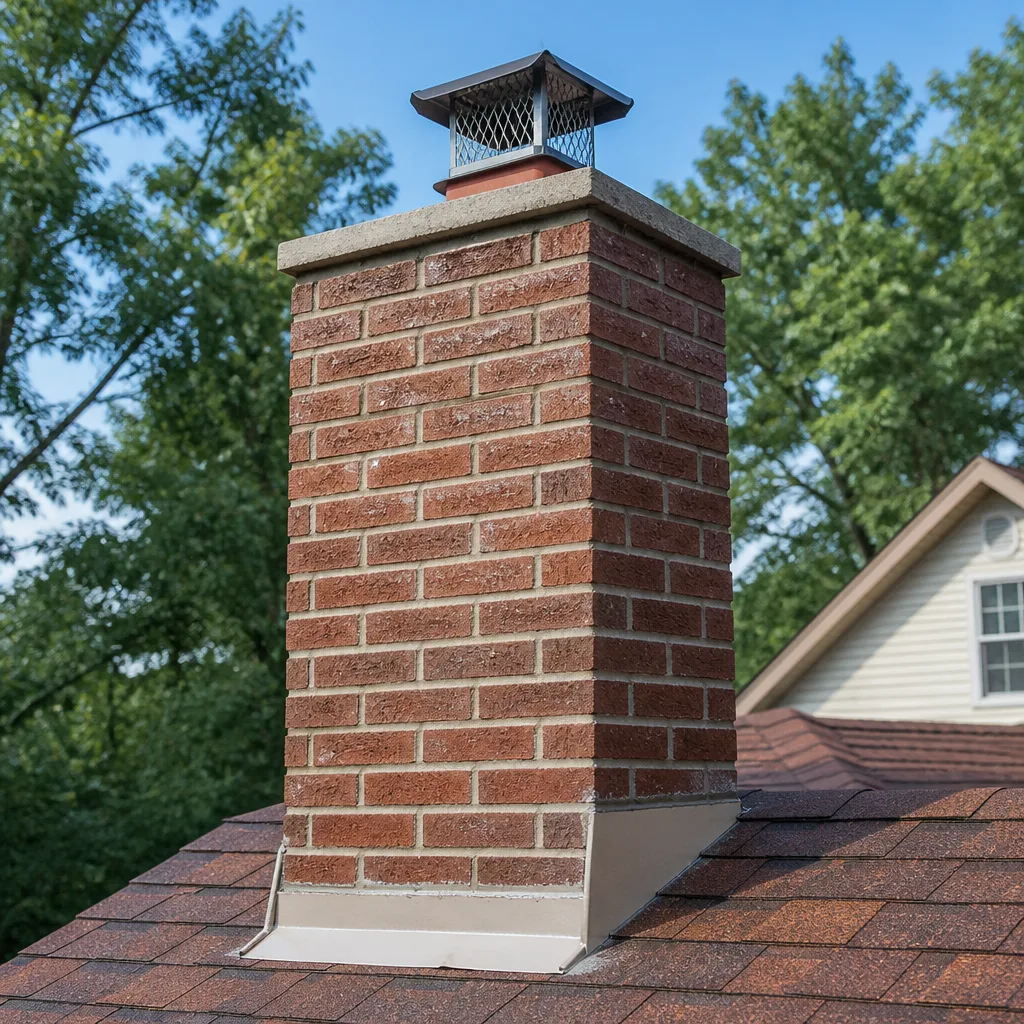 Masonry repair
 Gas fireplace service
Level 1 sweep and inspection to the NFPA 211 annual standard - flue, crown, cap, and flashing checked and photographed
Chimney sweep logs do not sweep chimneys. They loosen some creosote - which then falls where a brush and vacuum still have to collect it.
Chimney Cleaning Permits, Codes & Inspections in Green Valley Ranch, CO: What You Need to Know
Here’s something most Green Valley Ranch homeowners don’t find out until it’s expensive: a basic chimney cleaning needs no permit, but the moment the work becomes a repair, a reline, or a cap replacement, you’ve likely crossed into permit territory. The line between maintenance and regulated construction is real, it’s written into Adams County and City of Denver code, and it rarely gets explained before an inspector or a buyer’s agent flags the work. This guide maps that boundary. You’ll learn which jobs need permits, what IRC Chapter 10 and NFPA 211 actually require, how a Level 2 inspection differs from your annual sweep, and how documentation protects you at resale.
Quick Answer
Routine chimney cleaning in Green Valley Ranch does not require a building permit, but relining, structural repair, and cap or crown replacement generally do, and the local authority having jurisdiction decides which. A Level 2 inspection is required at the sale or transfer of a property under NFPA 211, and that inspection report is the document that proves the work was done correctly. Keep every report, and request a written copy even after a simple sweep.
Styles & brands we work with
- Sweep & inspection
- Caps & crowns
- Flue relining
- Masonry repair
- Gas fireplace service
Table of Contents
- What Chimney Work Needs a Permit in Green Valley Ranch?
- IRC Chapter 10 and NFPA 211: The Two Documents That Govern Your Chimney
- Level 1 vs. Level 2 Inspections: What’s the Difference?
- Continuous Liner Requirements and Older Green Valley Ranch Flues
- Permit Documentation and What Transfers at Property Sale
- Why Green Valley Ranch Climate Makes Documentation Matter
- Step by Step: How a Regulated Chimney Job Should Go
- Common Mistakes to Avoid
- Frequently Asked Questions
What Chimney Work Needs a Permit in Green Valley Ranch?
Chimney cleaning is maintenance and needs no permit. Chimney repair, relining, and structural modification fall under residential building code and typically do require one. That’s the short version. The longer version is where Green Valley Ranch homeowners get caught out.
Green Valley Ranch spans the boundary between Adams County and the City and County of Denver, which means the exact permitting authority for a given address depends on which jurisdiction the parcel falls under. Both jurisdictions adopt building codes that incorporate the International Residential Code, and both treat chimney repair as construction work when it changes the structure, the flue system, or the venting path. Most cities require a permit for this kind of structural change, so the right move is always to ask the local building department directly about your specific address.
As a practical guide, here’s how the work typically breaks down:
- No permit usually needed: Routine sweeping, visual inspection, chimney cap installation that doesn’t alter the flue, minor firebox cleaning.
- Permit typically required: Relining a flue (full replacement of the liner), converting a wood-burning flue to vent a gas appliance, replacing a damaged crown that involves structural masonry, removing or modifying a chimney above the roofline, and any work that changes the venting system.
- Depends on scope: Fireplace repair that stays inside the firebox versus repair that affects the chimney structure. Ask before you book.
Our technicians have up to 15 years of experience across both jurisdictions, and the single most useful thing we can tell a Green Valley Ranch homeowner is this: get the permit question answered in writing before any repair is scheduled. It costs nothing to ask and it protects you at resale. If you’re not sure whether the work on your chimney crosses the line, start with a documented inspection. We handle that through our chimney sweep Green Valley Ranch service and can tell you clearly whether your job is maintenance or construction.
IRC Chapter 10 and NFPA 211: The Two Documents That Govern Your Chimney
Two documents govern almost everything that happens inside a chimney in Colorado: Chapter 10 of the International Residential Code, and NFPA 211, the Standard for Chimneys, Fireplaces, Vents, and Solid Fuel-Burning Appliances. You don’t need to read either one cover to cover, but you do need to understand what each one is telling the person working on your flue.
IRC Chapter 10 covers the construction side. It sets the rules for chimney materials, clearances to combustibles, flue sizing relative to the appliance, termination height above the roof, and the requirement that a chimney be lined. When a contractor pulls a permit for a reline or a structural repair, IRC Chapter 10 is the standard the inspector is checking the work against.
NFPA 211 covers the inspection and maintenance side. It defines the three levels of inspection (Level 1, 2, and 3), sets the requirements for what a sweep must verify, and specifies when each level must be performed. It also addresses the size and condition of the flue, the condition of the appliance connection, and the presence of obstructions or combustible deposits.
What these two documents actually require of your chimney comes down to a short list:
- A lined flue appropriate to the appliance, with a continuous liner from the appliance connection to the top of the chimney.
- Clearances to combustible material that match the appliance and the venting system installed.
- A chimney termination at the correct height above the roof and above any nearby roof structures.
- An inspection at the level appropriate to the situation, performed by someone qualified to identify defects.
- Documentation of that inspection, so the condition of the system is on the record.
When we specify a liner for a Green Valley Ranch flue, we work from professional-grade product lines like Olympia Chimney and DuraFlex so the material matches the actual appliance and the actual flue geometry. That’s what code compliance looks like in practice: the right product in the right flue, documented and inspected. If you’d like to understand how we apply that to fireplace work specifically, our fireplace repair page walks through the process.
Level 1 vs. Level 2 Inspections: What’s the Difference?
A standard annual cleaning inspection is a Level 1 inspection, and it’s not the same as the Level 2 inspection that NFPA 211 requires at the sale or transfer of a property. The difference isn’t a sales tactic. It’s a defined standard, and it matters enormously when you’re selling a home in Green Valley Ranch.
Here’s how each level works:
Level 1 Inspection
Performed during a routine annual sweep. The inspector examines all readily accessible portions of the chimney, the appliance, and the venting system using the tools normally carried for a cleaning. It’s designed to confirm the system is serviceable and has no obvious defects. A Level 1 is appropriate when the appliance hasn’t changed, the chimney hasn’t been modified, and there’s no reason to suspect a hidden problem.
Level 2 Inspection
Required under NFPA 211 at the sale or transfer of a property, after an event that could have damaged the chimney (a chimney fire, a seismic event, a nearby structural change), or when a change has been made to the appliance or the venting system. A Level 2 inspection includes everything in a Level 1 plus accessible attic, crawlspace, and roof-level examination of the chimney, and it typically uses a camera to examine the interior of the flue. That camera work is what catches the liner defects a visual inspection from the firebox cannot see.
In our experience, this is the inspection most Green Valley Ranch homeowners don’t know to ask for. When a buyer’s inspector flags the chimney and there’s no Level 2 report on file, the default assumption becomes the worst case. A camera-documented Level 2, performed before the sale, is the document that turns that uncertainty into a clean answer.
Level 3 Inspection
The most invasive level, performed only when a Level 1 or Level 2 has identified a serious hazard and accessing concealed portions of the chimney is necessary. It can involve removing parts of the chimney or the surrounding structure. It’s rare, but it exists for a reason.
Continuous Liner Requirements and Older Green Valley Ranch Flues
A continuous liner runs without interruption from the appliance connection to the chimney top, and the code requires it. The problem is that many older homes in Green Valley Ranch were built with clay tile flues sized and configured for wood-burning appliances, and a lot of those are now venting gas appliances, which changes what the liner needs to do.
Combustion gases from a gas appliance are different from those of a wood fire. They can be more corrosive to certain flue materials. When a gas appliance is connected to a clay tile flue originally designed for wood, the flue liner is often undersized for the new appliance, the wrong material, or no longer continuous because of a crack or a displaced tile. That’s a code violation, and it’s the reason a lot of “we’re just switching to a gas log set” projects turn into relining projects.
A continuous liner fixes three things at once:
- It seals the flue so combustion gases vent all the way to the top without leaking into the home.
- It provides a material compatible with the appliance now connected to it.
- It creates a smooth, correctly sized path so the appliance drafts as designed.
Not every deteriorating flue needs a full liner replacement, and this is where we part ways with a lot of the market. HeatShield resurfacing can restore a moderately deteriorated clay liner without a full reline, and we’re certified to perform that work. The decision between resurfacing and relining comes down to the condition of the liner, the appliance, and the flue geometry, and it should be made on camera evidence, not a sales pitch. A continuous liner in a Green Valley Ranch home built with clay tile may also need an insulation wrap, depending on the exterior location of the chimney, since a chimney on an outside wall loses heat differently from one that runs through the middle of the house.
Permit Documentation and What Transfers at Property Sale
When a chimney repair is permitted and inspected, the resulting documentation becomes part of the property’s record. When it isn’t, that record has a hole in it, and the hole becomes visible during a home sale. In Colorado, sellers are legally required to disclose known material defects and unpermitted work that could affect the property. A buyer’s inspection that finds unpermitted relining work sets up a choice: disclose it and renegotiate, or risk the deal on a problem that could have been documented for the cost of a permit.
The documentation you should request and keep:
- The permit number and the inspection record for any reline, structural repair, or cap replacement performed on the property.
- The Level 2 inspection report, including the camera images of the flue interior, if a property transfer is involved.
- The annual sweep record for each year the chimney was serviced, even though the sweep itself requires no permit.
- Product documentation for any cap, crown, or liner installed, so a future owner or inspector knows what’s on the chimney.
Those documents transfer with a property in the sense that they belong to the house’s history, but they only transfer if someone kept them. This is why we insist on documenting every inspection we perform, and why we work with manufacturer-specified product lines for cap and crown installations. If a Gelco or Famco cap is installed, the paperwork identifies the product, so the next person who inspects the chimney knows what they’re looking at. Our chimney cap & crown page covers that part of the system in more detail.
Why Green Valley Ranch Climate Makes Documentation Matter
Green Valley Ranch sits on the high plains east of Denver, which means the chimney is exposed to a specific set of conditions. The freeze-thaw cycle in this part of Colorado is hard on masonry crowns and caps. Moisture gets into a hairline crack in the crown, freezes overnight, expands, and widens the crack. Spring and fall bring wide temperature swings from day to night. Winter brings snow load on the roof and ice formation at the chimney top.
That cycle is the reason a crown that looked fine in summer can be failing by the following spring. It’s also the reason a documented cap or crown installation, done with the right product and photographed on the record, matters. When the next owner’s inspector comes through, the work is on file rather than in question.
The dry air here also affects what builds up inside the flue. Creosote from wood burning, combined with the seasonal heating pattern in Green Valley Ranch, means the annual sweep is not optional. Skipping a year doesn’t produce an immediate problem, but it produces a hidden one. That’s the case for keeping a sweep record even though no permit is involved: the record is the trail that tells you, and the next buyer, exactly when the chimney was last serviced. A documented annual sweep through our chimney sweep service is the baseline the rest of the documentation hangs on.
Step by Step: How a Regulated Chimney Job Should Go
When a Green Valley Ranch chimney job crosses from maintenance into permitted work, the process should follow a clear sequence. If a contractor shortcuts any of these steps, the documentation is what suffers, and you’re the one exposed at resale.
- Inspection first. A Level 1 or Level 2 inspection, depending on the situation, establishes the actual condition of the flue, the appliance, and the chimney structure. Camera evidence of the flue interior is the standard we hold ourselves to, and you should expect to see it.
- Scope in writing. The written scope identifies what will be repaired or replaced, what product will be used, and whether a permit is required for the work. The price is set by that written estimate, not by a verbal figure.
- Permit application. Where the work requires a permit, the application goes to the local authority having jurisdiction before the work begins. In Green Valley Ranch, that’s Adams County or the City of Denver depending on the parcel.
- Work performed to code. The repair or installation is completed to IRC Chapter 10 and NFPA 211, using a product specification appropriate to the appliance and the flue.
- Inspection by the authority. The completed work is inspected, and the inspection record is created.
- Documentation delivered to the homeowner. You receive the inspection report, the permit record, and the product documentation. You keep all of it.
We perform the inspection and the repair with the same technicians, so the person who diagnosed the problem is accountable for fixing it correctly. Nothing gets handed to a third party mid-project, and nothing gets lost in translation between a diagnosis and a repair. If a problem can safely wait, we say so. Nothing gets recommended without camera evidence you can see for yourself.
Common Mistakes to Avoid
These are the mistakes we see most often in Green Valley Ranch, and each one tends to surface at the worst possible moment.
- Skipping the permit on a reline. Homeowners assume a reline is a repair and skip the permit. It isn’t just a repair in most jurisdictions; it’s a venting system modification, and the missing permit shows up during a sale. Ask the building department before the work is scheduled.
- Confusing an annual sweep with a Level 2 inspection. They’re different inspections under NFPA 211, and a Level 2 requires access and camera work a routine sweep doesn’t include. Booking a sweep before a home sale and assuming it covers the requirement is a common and costly misunderstanding.
- Not keeping the inspection report. The report is the evidence. A homeowner who had the work done correctly but can’t produce the documentation is in almost the same position as one who skipped it. Request the report even after a simple sweep.
- Connecting a new gas appliance to an old clay flue without a liner check. A flue sized for wood is often undersized or incompatible for gas. Changing the appliance without confirming the flue liner condition is a code issue and a safety issue at once.
- Using a generic hardware-store cap. A cap that doesn’t fit the flue properly lets moisture in and wildlife through. Manufacturer-fit caps from a product line designed for the application are the difference between a cap that protects the chimney and one that needs replacing.
- Assuming the crown will last forever. The freeze-thaw cycle on the high plains east of Denver works on crowns and caps every season. A crown that looked intact in summer can fail over one winter, and the failure lets water into the chimney structure.
- Letting a contractor skip the camera evidence. If a repair is recommended and you can’t see the inside of your own flue on camera, you have no way to verify the recommendation. Ask to see it. A qualified contractor will show you.
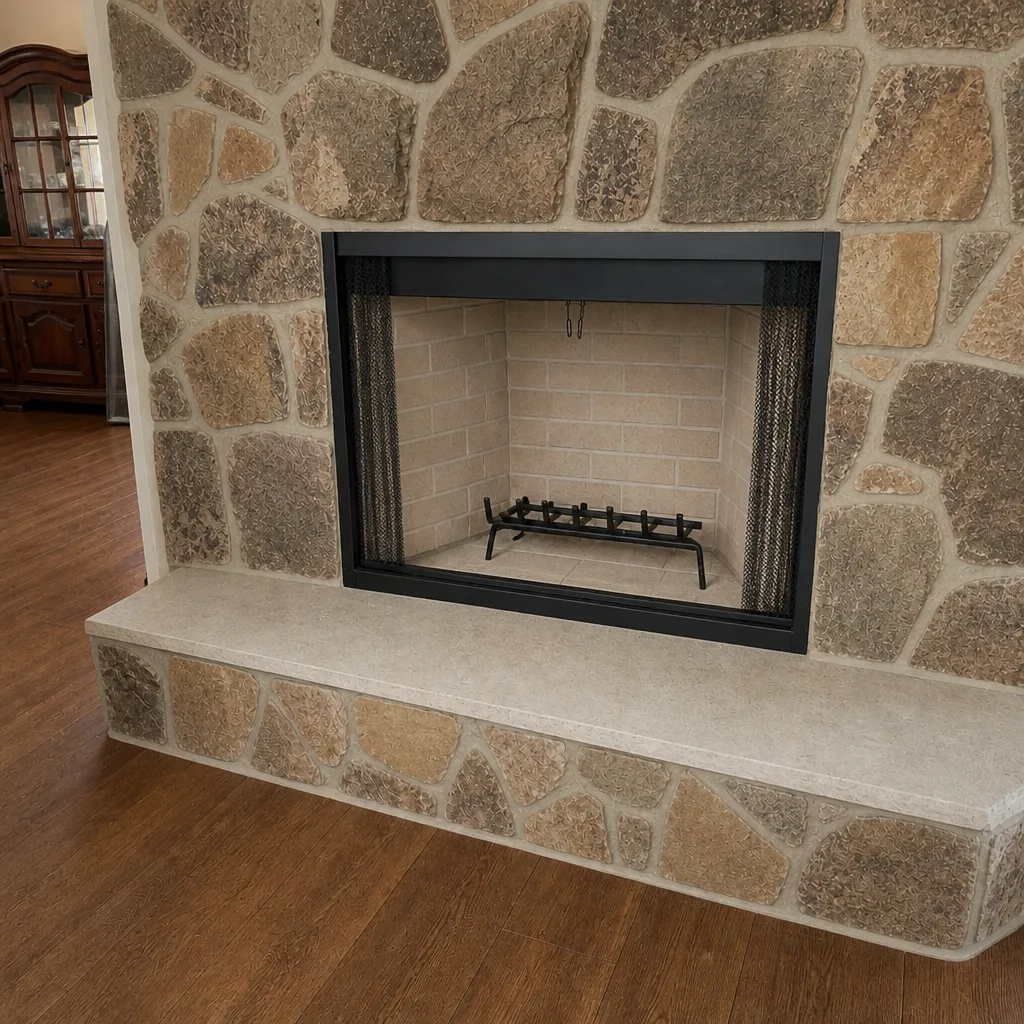
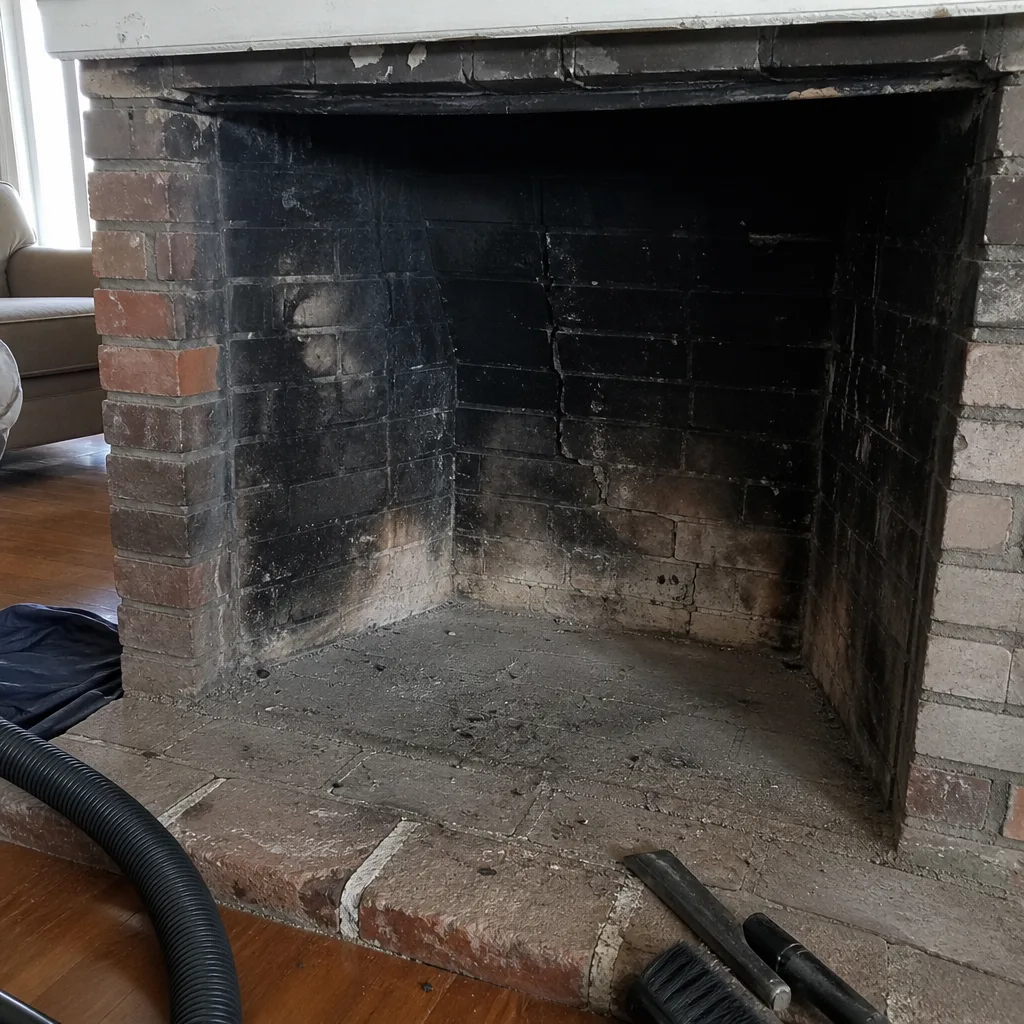
See the difference
 Before
 After
 Before
 After
 Before
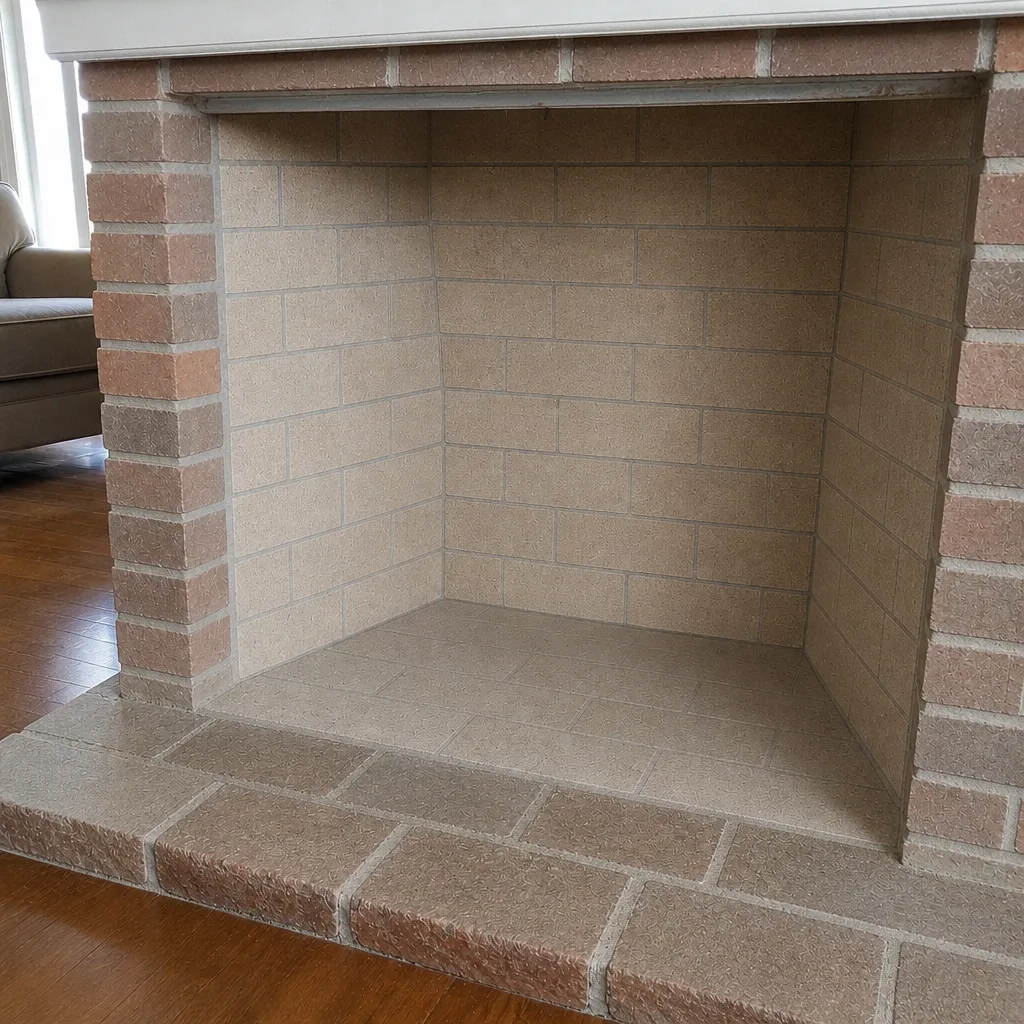 After
When to Call a Professional
Call a professional when the work involves anything beyond routine cleaning, and call before you assume it doesn’t. High-tension garage-door style hazards aren’t the concern here, but chimney work has its own: a damaged flue liner, a cracked crown, a broken cap, a chimney fire event (even a small one), or a change of appliance all require a qualified technician and often a permit. Carbon monoxide risk from a blocked or defective flue is real, and it’s the reason a sweep is worth doing every year even when nothing seems wrong. If you’re buying or selling a home in Green Valley Ranch, call for a Level 2 inspection before the closing date, not after. Chimney Sweep Green Valley Ranch offers free estimates in Green Valley Ranch – call (833) 918-5339. We answer 24/7. Fast dispatch from 7am to 7pm, Sunday through Friday.
Frequently Asked Questions
No. Routine chimney cleaning is maintenance and does not require a building permit in Green Valley Ranch or anywhere else in Colorado. The confusion comes from the fact that the same visit often turns up a repair, and repairs usually do need a permit. Call (833) 918-5339 for a free estimate and we’ll tell you clearly whether your job is maintenance or permitted work.
In most cases yes, because relining modifies the venting system and falls under residential building code. Green Valley Ranch spans Adams County and the City and County of Denver, so the authority having jurisdiction depends on your address. Ask your local building department directly about your parcel before the work is scheduled. Call (833) 918-5339 for an exact quote – estimates are free.
A Level 2 inspection is the NFPA 211 standard that applies at the sale or transfer of a property, after a chimney fire or other event that could have damaged the chimney, or when the appliance or venting system has changed. It includes camera examination of the flue interior, which a routine cleaning inspection does not. If you’re selling a Green Valley Ranch home, book it before the buyer’s inspection, not after. Call (833) 918-5339 for scheduling.
A continuous liner is one that runs unbroken from the appliance connection to the top of the chimney, and the code requires it. Many older Green Valley Ranch homes have clay tile flues originally built for wood, and when a gas appliance is connected to one of those, the flue is often undersized, the wrong material, or no longer continuous. A camera inspection tells you which. Call (833) 918-5339 for an exact quote – estimates are free.
Resurfacing can restore a moderately deteriorated clay liner without a full replacement, and we’re certified to perform that work with HeatShield. The right answer depends on the actual condition of the liner, the appliance connected to it, and the flue geometry, and it should be made on camera evidence you can see for yourself. Nothing gets recommended without that evidence, and when work can safely wait, we say so. Call (833) 918-5339 for an exact quote – estimates are free.
In Colorado you’re required to disclose known material defects and unpermitted work that could affect the property. If the buyer’s inspection finds unpermitted relining, you’re in a negotiation you didn’t plan for. The permit and the inspection record are what turn that into a closed item on the disclosure instead of a price reduction. Call (833) 918-5339 to get the documentation in order before you list.
The Bottom Line
Chimney cleaning in Green Valley Ranch needs no permit. Chimney repair, relining, and structural work usually do, and the boundary runs through IRC Chapter 10 and NFPA 211. A Level 2 inspection is required at property sale under NFPA 211, and it’s not the same as your annual sweep. Continuous liner requirements apply to any flue you connect a new appliance to, and older clay tile flues in Green Valley Ranch are the most likely to need attention. Keep every report, every permit record, and every product document. The cost of documenting the work correctly is small next to the liability of skipping it, and the freeze-thaw cycle here means the chimney is being tested every season.
If you’re not sure where your chimney sits on this map, call us. Chimney Sweep Green Valley Ranch offers free estimates in Green Valley Ranch – call (833) 918-5339. We answer 24/7. Fast dispatch from 7am to 7pm, Sunday through Friday.
Written by the team at Chimney Sweep Green Valley Ranch.