
Last updated November 24, 2026
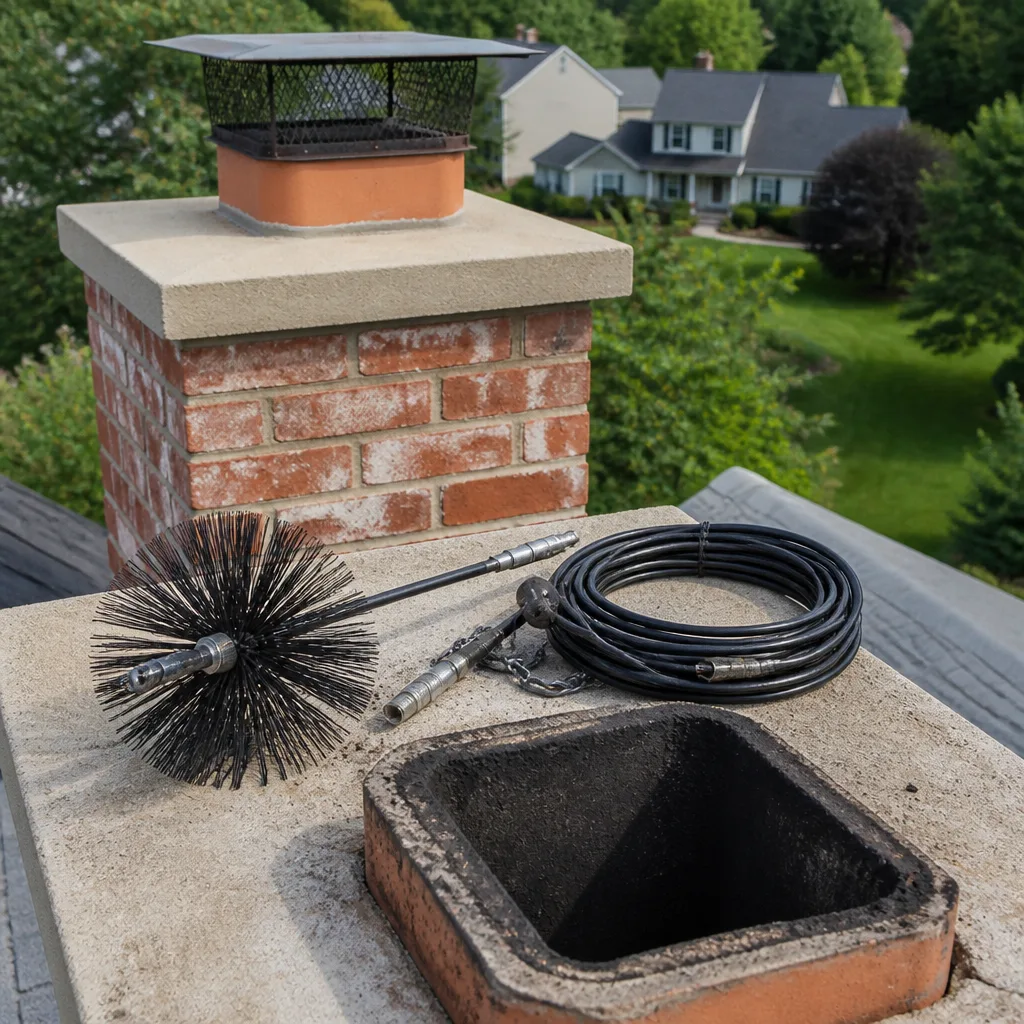 Sweep & inspection
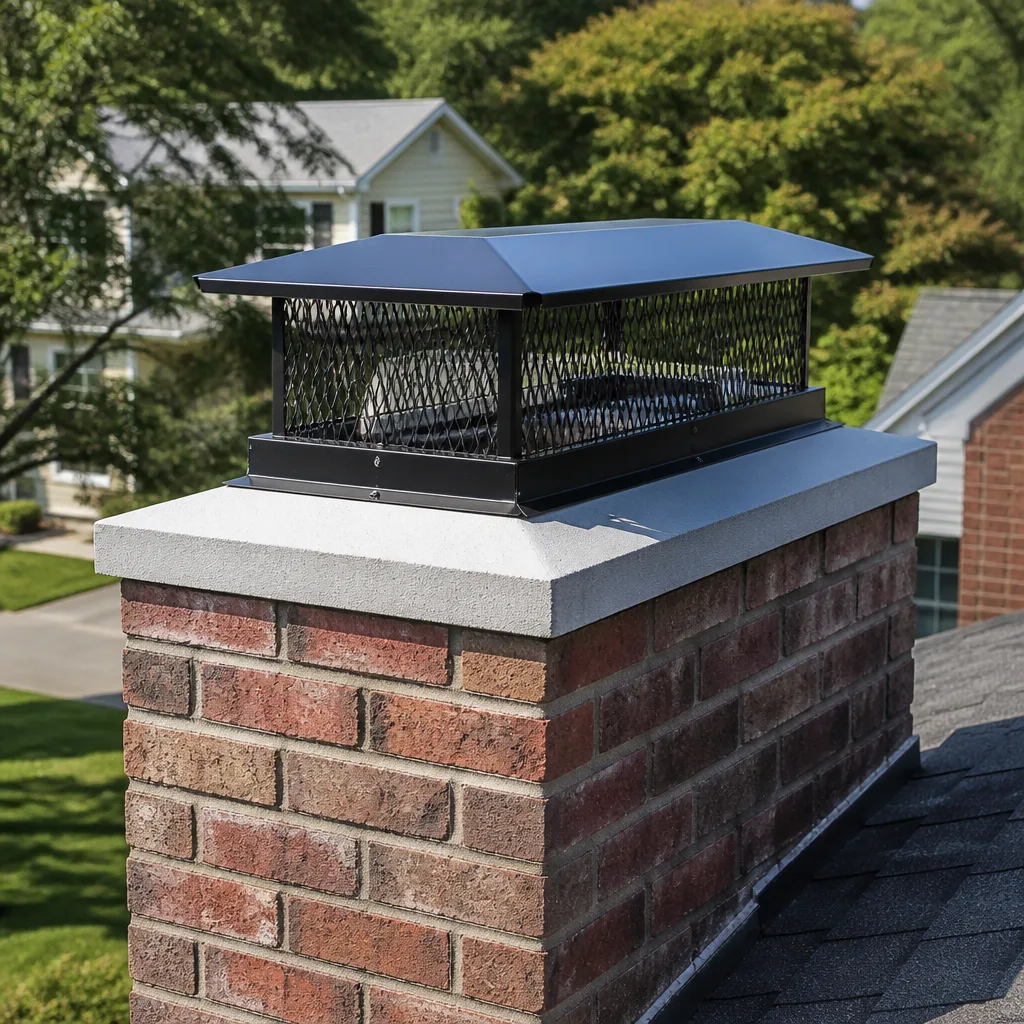 Caps & crowns
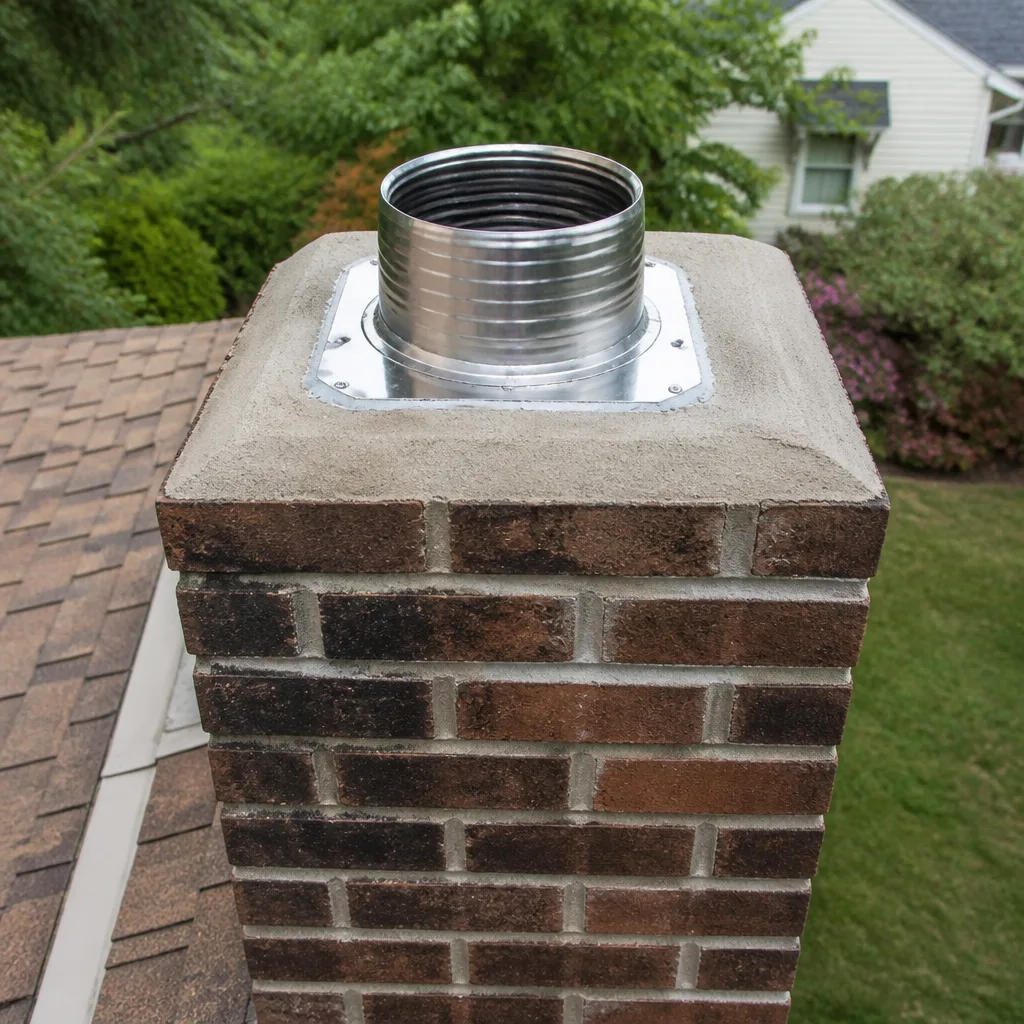 Flue relining
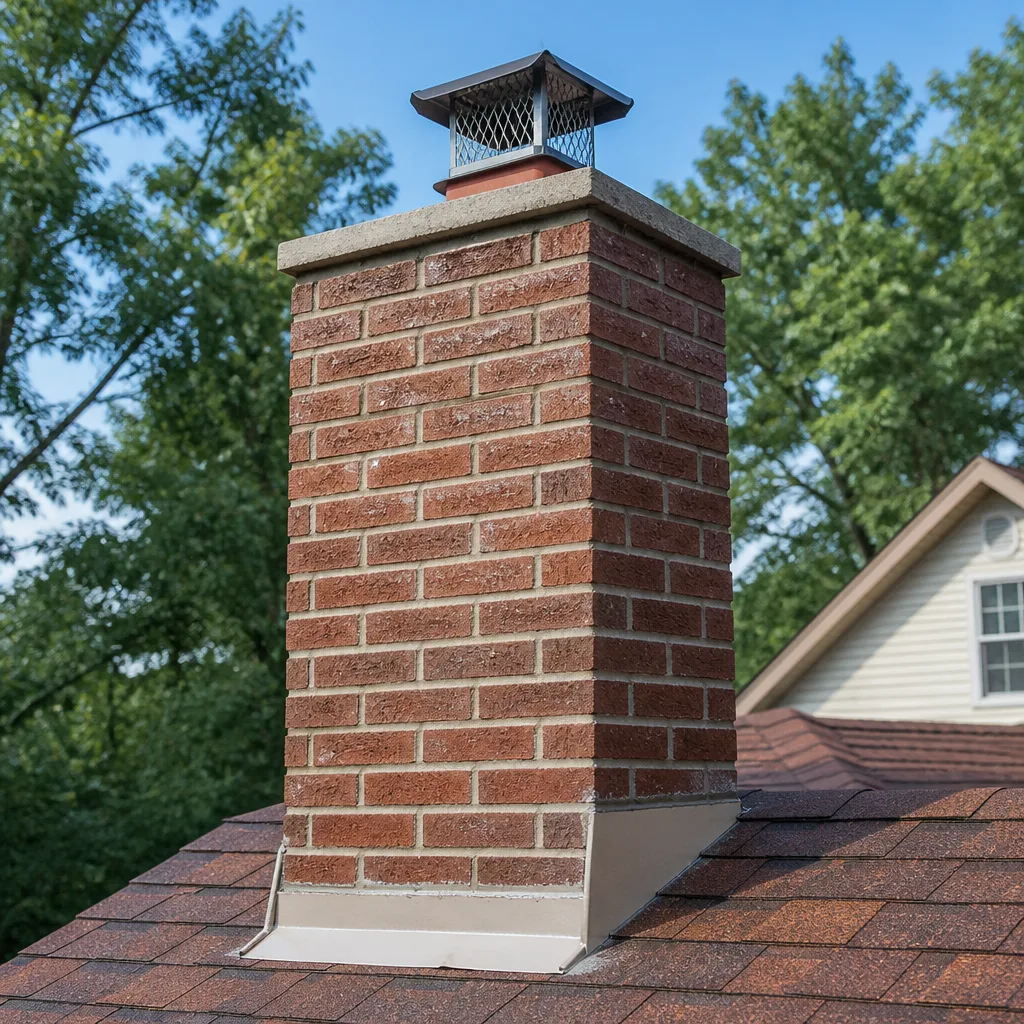 Masonry repair
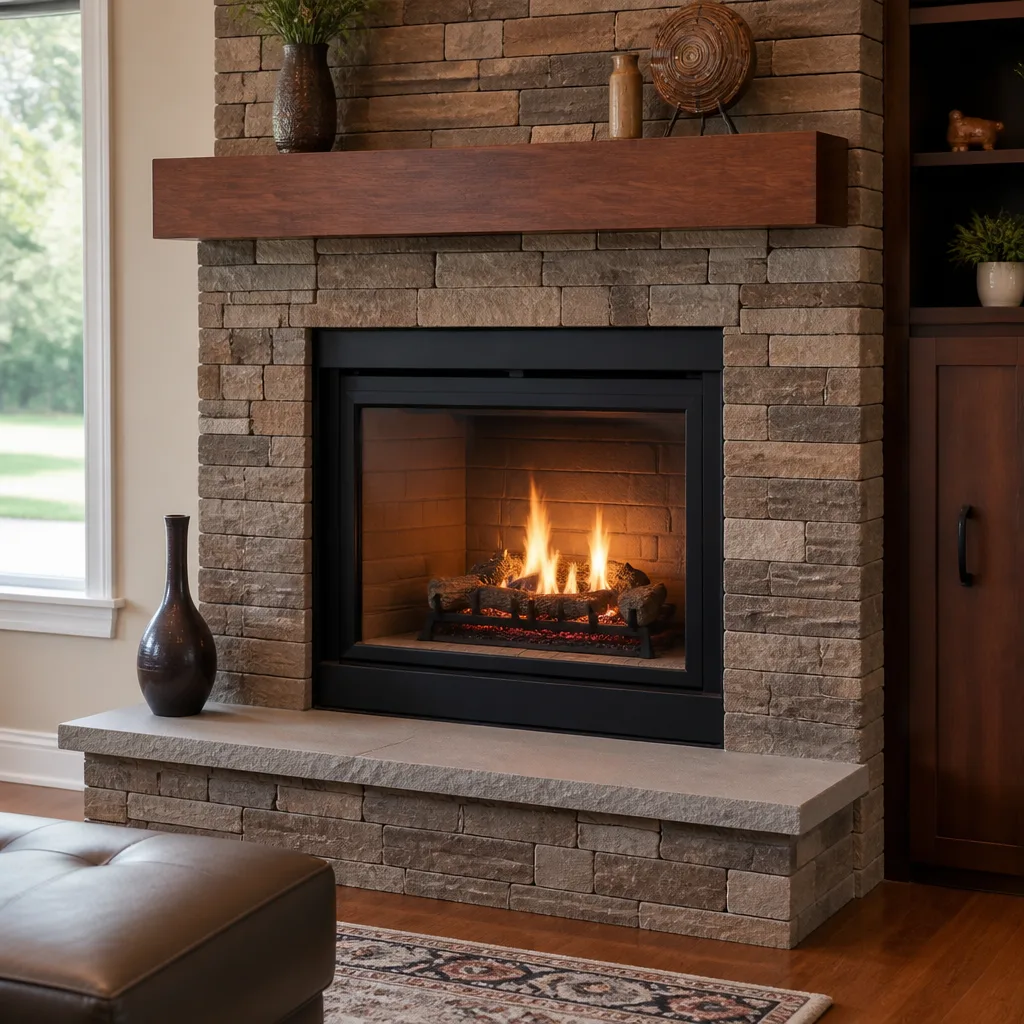 Gas fireplace service
Level 1 sweep and inspection to the NFPA 211 annual standard - flue, crown, cap, and flashing checked and photographed
Chimney sweep logs do not sweep chimneys. They loosen some creosote - which then falls where a brush and vacuum still have to collect it.
Seasonal Chimney Cleaning Care for Green Valley Ranch: Year-Round Homeowner’s Guide
The worst time to find a cracked flue liner is the first cold night you light the fireplace in October. But that crack probably started forming months earlier, when snowmelt pooled in a hairline mortar gap on a warm March afternoon and then refroze after dark, prying the joint open a little wider with each cycle. Chimney problems rarely announce themselves at the moment you notice them; they build quietly through the seasons. This guide maps specific chimney tasks and risks to spring, summer, fall, and winter in Green Valley Ranch, so your maintenance stays ahead of the failure curve instead of chasing it.
Quick Answer
Chimney care in Green Valley Ranch works best as four seasonal checkpoints rather than one annual event: a post-winter inspection in spring targeting flashing, crown, and mortar joints; cap and flue screening attention in summer while the fireplace sits idle; a pre-season sweep and inspection in fall before the first fire; and mid-season observation of warning signs through winter. Each season exposes a different part of the system to stress, and catching each one in its own window keeps small issues from becoming structural repairs.
Styles & brands we work with
- Sweep & inspection
- Caps & crowns
- Flue relining
- Masonry repair
- Gas fireplace service
Table of Contents
- Why Seasonal Care Beats Annual Care in Green Valley Ranch
- Spring: Post-Winter Inspection for Flashing, Crown, and Mortar
- Summer: Caps, Screening, and the Blocked Flue You Don’t Notice Yet
- Fall: The Pre-Season Sweep and Inspection Sequence
- Winter: Mid-Season Warning Signs During Active Use
- How Green Valley Ranch’s Shoulder Seasons Stress Your Liner
- A Year-at-a-Glance Chimney Care Calendar
- Common Mistakes to Avoid
Why Seasonal Care Beats Annual Care in Green Valley Ranch
A single yearly sweep answers one question: is the flue clear? It doesn’t answer whether the crown survived the winter, whether a bird built a nest against the damper in June, or whether condensation has been quietly softening the liner all spring. Green Valley Ranch sits in a high-desert climate with wide day-to-night temperature swings, intense summer sun, and a freeze-thaw season that works on masonry the way a lever works on a nail. Each of those forces hits the chimney at a different time of year. If you only look once, you’re inspecting three seasons’ worth of damage at the moment it’s most advanced.
Splitting care into four checkpoints doesn’t mean four full sweeps. It means the right task at the right time: an inspection after winter, cap and screening attention in summer, a cleaning before the burning season, and observation during it. Some of these are things you can do yourself with a flashlight and a few minutes. Others need a technician with a camera.
This is also where the right materials matter. A crown patched with generic mortar in April may not survive the next freeze. Factory-fit components from brands like Gelco and Famco, installed to the manufacturer’s spec, hold up differently than hardware-store substitutes. We specify the right product for your flue system rather than a one-size-fits-all fix.
What Each Season Actually Tests
- Spring: water intrusion paths, crown integrity, flashing seals, mortar joints
- Summer: cap screening, wildlife and debris entry, unused-flue conditions
- Fall: creosote load, draft readiness, damper operation, liner condition before use
- Winter: active-use warning signs, smoke behavior, odor changes, visible creosote
Spring: Post-Winter Inspection for Flashing, Crown, and Mortar
Spring is the single most important inspection window in Green Valley Ranch, because it comes right after the season that does the most exterior damage. Water is the primary enemy of a masonry chimney, and freeze-thaw cycling is how water gets its leverage. Snowmelt and rain collect in hairline cracks, overnight temperatures drop below freezing, the water expands, and the crack widens. Repeat that through a Green Valley Ranch winter and a hairline gap becomes a real opening.
The spring inspection targets three things first:
- Flashing. The metal seal where the chimney meets the roof. If it has lifted or the sealant has cracked, water runs straight down into the attic and ceiling rather than shedding off. This is often the cheapest problem to fix and the most expensive to ignore.
- The crown. The concrete cap on top of the masonry. A cracked or spalling crown lets water into the structure of the chimney itself. A properly formed crown with an overhang sheds water away from the sides.
- Mortar joints. Look for crumbling, recessed, or sandy joints, especially on the side that takes the most weather. Recessed joints trap water; sound joints shed it.
Inside the flue, spring is when you want to check for liner damage that winter may have worsened. If a liner has deteriorated, HeatShield resurfacing can restore it without a full replacement in many cases, which is a repair option many chimney companies can’t offer. That matters most when the diagnosis happens early, before the damage spreads.
If you find water staining on the ceiling near the chimney, efflorescence (white powder) on the exterior masonry, or rust on the firebox or damper, those are signs water is already getting in. Spring is when to address them, not fall.
Summer: Caps, Screening, and the Blocked Flue You Don’t Notice Yet
Here’s the counterintuitive part of seasonal chimney care in Green Valley Ranch: the blocked flue you discover in October is usually a summer problem. For four or five months the fireplace sits unused, and an open or under-screened flue is an open door. Birds nest, wasps build, leaves and debris blow in, and by the time you light the first fire of the season, the draft path is obstructed and you have no idea until smoke rolls into the room.
Summer is the right time to look up at the cap and make sure it’s doing its job.
What a Proper Cap and Screen Do
- Keep rain and snow out of the flue
- Block birds, squirrels, and other animals from nesting
- Keep wasps and insects from building inside the flue during the idle months
- Prevent sparks from landing on the roof
- Keep large debris from blocking the draft path
A cap that’s missing, rusted through, or fitted with torn or oversized screening isn’t doing any of that. Proper cap fit starts with the right brand. We install Gelco and Famco covers built for the job, with screening sized to keep pests out while letting exhaust flow freely. Generic caps that don’t fit the flue opening leave gaps and fail early.
If you want to check things yourself in summer, a flashlight aimed up the flue from the firebox will show you obvious obstructions, and a look at the cap from the ground (binoculars help) will show you missing or damaged screening. Don’t climb the roof to check; that’s a job for someone with the right equipment. Our full guide to chimney cap & crown covers what a correctly fitted cap looks like and how the crown should be formed.
Fall: The Pre-Season Sweep and Inspection Sequence
Cleaning before the first fire matters more than cleaning after the last one, and the reason is simple: you want to burn on a clean, inspected flue, not discover a problem with a fire already going. Fall is the pre-season checkpoint. In Green Valley Ranch, that means getting the sweep and inspection done before the first cold night that tempts you to light up, not after.
The sequence matters as much as the timing:
- Sweep first, inspect second. You can’t properly assess a liner or firebox through a layer of soot and creosote. The cleaning comes first so the inspection sees the actual surfaces.
- Camera inspection of the flue. A visual check from below misses cracks, gaps, and deteriorated joints higher up. A camera shows what’s really there, and the photo record lets you see it yourself.
- Firebox and damper check. The damper should open and close freely and seal reasonably. A stuck or warped damper affects draft and can let heat escape.
- Creosote assessment. The sweep tells you how much creosote has built up and in what form. Glazed, tar-like creosote is the kind that needs a proper cleaning before the season starts.
- Repair decisions with evidence. Anything the inspection turns up gets explained with the camera footage in hand, so the recommendation is based on what’s visible, not on a guess.
Before you book a sweep, ask what creosote level you’re dealing with and what the inspection will actually cover. Our full chimney sweep service includes the cleaning and the camera inspection together, with a photo report you can keep.
Winter: Mid-Season Warning Signs During Active Use
Once the burning season starts, your own observations become the early warning system. You don’t need equipment to notice most of these; you need to pay attention to how the fireplace behaves.
What to Watch For
- Smoke rolling into the room. Some smoke at startup is normal in a cold flue. Persistent smoke rollout after the fire is established points to a draft problem: a partial obstruction, a damper that isn’t fully open, or a liner issue. Stop burning and get it checked.
- A change in odor. A healthy fireplace has a familiar smell. A sharp, acrid, or smoky odor that wasn’t there before can indicate creosote buildup or a draft problem.
- Visible creosote on the damper plate. Shine a flashlight up at the damper and the smoke shelf. Black, sticky, or flaky deposits visible there mean creosote is building in the flue too.
- Slow, lazy fires. If the fire struggles to draw when it used to burn well, something has changed in the draft path.
- Soot on the firebox face or glass. Excess soot buildup can signal incomplete combustion or a draft issue.
One safety point worth stating plainly: creosote is the fuel for chimney fires, and carbon monoxide is a byproduct of any fuel-burning appliance, wood or gas. A working carbon monoxide alarm on every level of the home is basic protection, and it is not a substitute for an inspection. If you ever hear a roar like a low-flying plane from the chimney, feel intense heat from the chimney or flue, or see flames or dense smoke coming from the top, get everyone out, call the fire department, and don’t use the fireplace again until a professional has inspected it.
Mid-season cleaning is sometimes necessary if you burn heavily or burn unseasoned wood. If you’ve burned a lot through the season and haven’t had it checked, a mid-winter inspection is reasonable. The same technicians who diagnose a problem are the ones who fix it, so the accountability stays with one team through completion.
How Green Valley Ranch’s Shoulder Seasons Stress Your Liner
Green Valley Ranch’s shoulder seasons, spring and fall, are the sneaky ones. Warm days and cold nights mean the flue goes through daily temperature swings, and that has a specific effect on liner integrity: condensation. When warm, moist air inside the flue meets a cold flue wall after sunset, moisture condenses on the liner surface. Over weeks of shoulder-season cycling, that condensation can soften mortar, corrode metal liners, and work its way into hairline cracks. Add the moisture that comes from burning wood, and the inside of the flue is cycling wet and dry constantly.
This is why a liner that looked fine in fall can show deterioration by spring. The damage doesn’t happen in a single event; it accumulates through repeated wet-dry cycling. A camera inspection in spring catches it while it’s still surface-level. HeatShield resurfacing can address a deteriorating liner in many cases without full replacement, which is exactly the kind of repair that’s better done before the liner fails outright.
If your liner has reached the point where resurfacing won’t hold, a replacement liner from a professional line like DuraFlex or Olympia Chimney is specified to the actual flue and appliance, not picked off a shelf. We’re factory-familiar with these brands, which means the right material is sourced for the actual problem. See our fireplace repair page for how firebox, damper, and liner problems are handled together.
Gas fireplaces get overlooked here. A gas appliance doesn’t produce creosote the way wood does, but its vent still needs inspection for obstruction, corrosion, and proper draft, and carbon monoxide risk is real with gas too. Seasonal care applies whether you burn wood, gas, or a multi-fuel setup.
A Year-at-a-Glance Chimney Care Calendar
Here’s the whole cycle in one place. Use it as a planning checklist for Green Valley Ranch.
- Spring (after the last freeze): post-winter inspection of flashing, crown, and mortar; interior camera check for liner damage worsened over winter; watch for water stains and efflorescence.
- Late spring / early summer: repair anything the spring inspection found, before summer heat works on it; address any liner deterioration while resurfacing is still an option.
- Summer (fireplace idle): check the cap and screening; clear any nests or debris; confirm the flue is sealed against pests and weather.
- Early fall (before first fire): sweep first, then camera inspection; check damper operation; assess creosote; address repairs with the evidence in hand.
- Winter (active use): watch for smoke rollout, odor changes, visible creosote on the damper plate, and lazy fires; keep carbon monoxide alarms working; stop burning and get an inspection if warning signs appear.
- Mid-winter (if burning heavily): consider a mid-season inspection if you’ve burned a lot or burned unseasoned wood.
Two of those checkpoints, the spring inspection and the fall sweep, are the ones that catch the most. The summer and winter items are observations you can make yourself and act on if something looks wrong.
What the Inspection Should Document
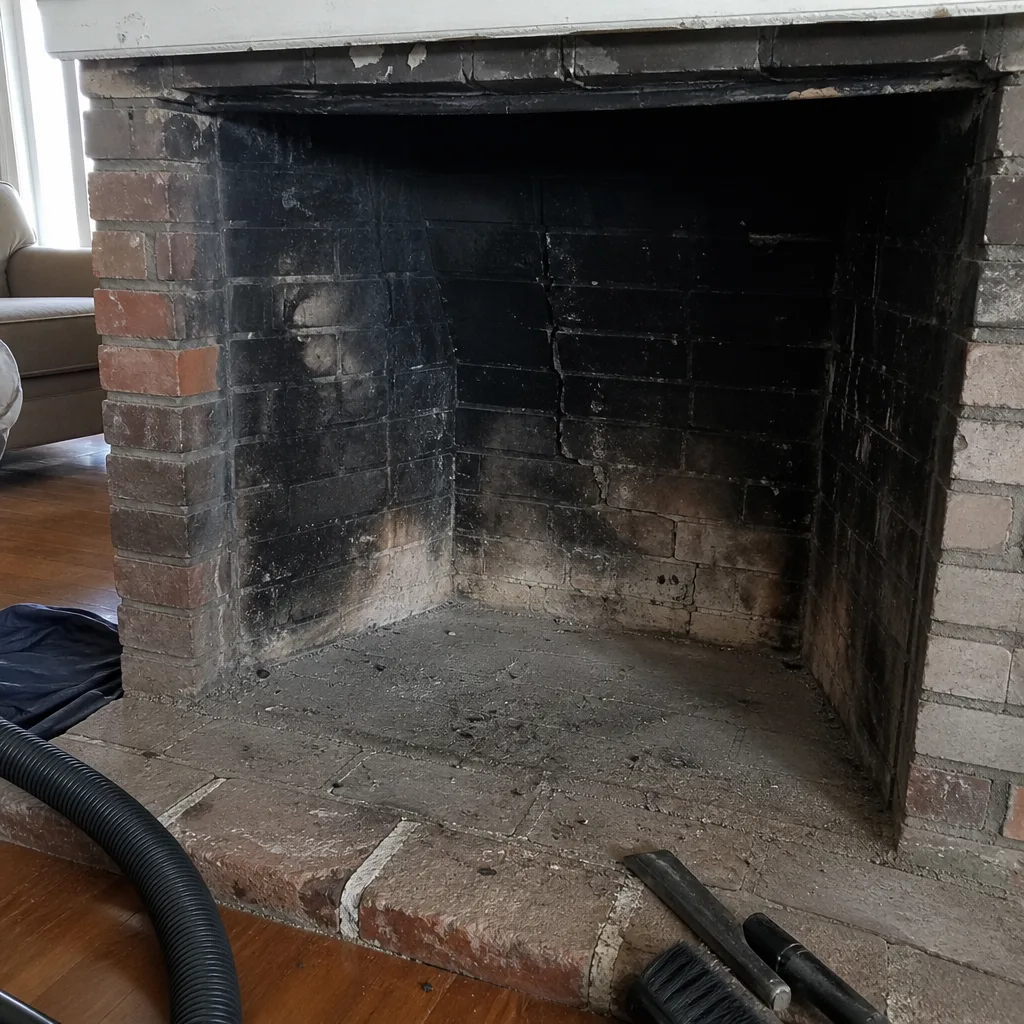
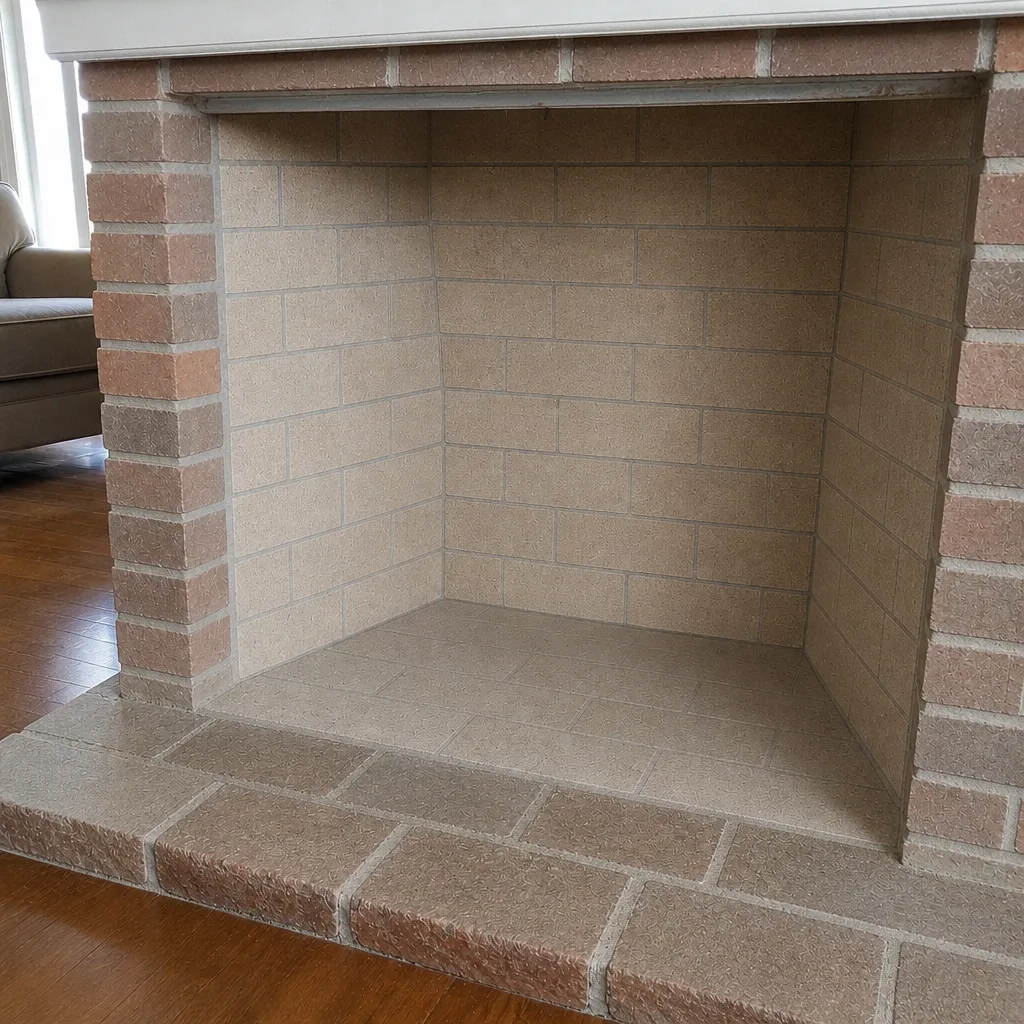
Whatever the season, a useful inspection is documented, with photos of the flue, firebox, and exterior. That record supports insurance claims, real-estate transactions, and safety compliance, and it gives you a baseline to compare against next season. If an inspection doesn’t produce photos you can look at, ask why. The point of the camera is that you can see what the technician sees.
Common Mistakes to Avoid
- Cleaning only after the season, not before. A post-season clean tells you what happened; a pre-season sweep and inspection tells you what you’re about to burn on. In Green Valley Ranch, the fall sweep is the one that matters most, because you want a clean, inspected flue before the first fire.
- Skipping the spring inspection. The freeze-thaw winter is the hardest season on the exterior of a chimney. If you never look at the crown, flashing, and mortar in spring, you’re inspecting three seasons of damage at once in fall.
- Ignoring the cap between burning seasons. A missing or damaged cap means birds, wasps, and debris spend the whole summer moving into your flue. The blocked flue you find in October was a summer problem.
- Treating a gas fireplace as maintenance-free. Gas vents don’t produce creosote, but they still need inspection for obstruction, draft, and corrosion, and carbon monoxide risk applies to gas as much as to wood.
- Climbing the roof to check the cap yourself. Roof work on a steep pitch is a fall hazard. Look from the ground with binoculars and let a technician handle anything up top.
- Accepting a repair recommendation without seeing the evidence. A liner replacement or masonry repair is a significant cost. You should be shown the camera footage and photos before you agree to anything. Nothing is recommended without camera evidence you can see for yourself.
- Burning unseasoned wood. Wet wood produces more creosote and more moisture in the flue, which is harder on the liner during the shoulder seasons in Green Valley Ranch. Seasoned wood burns cleaner and hotter.
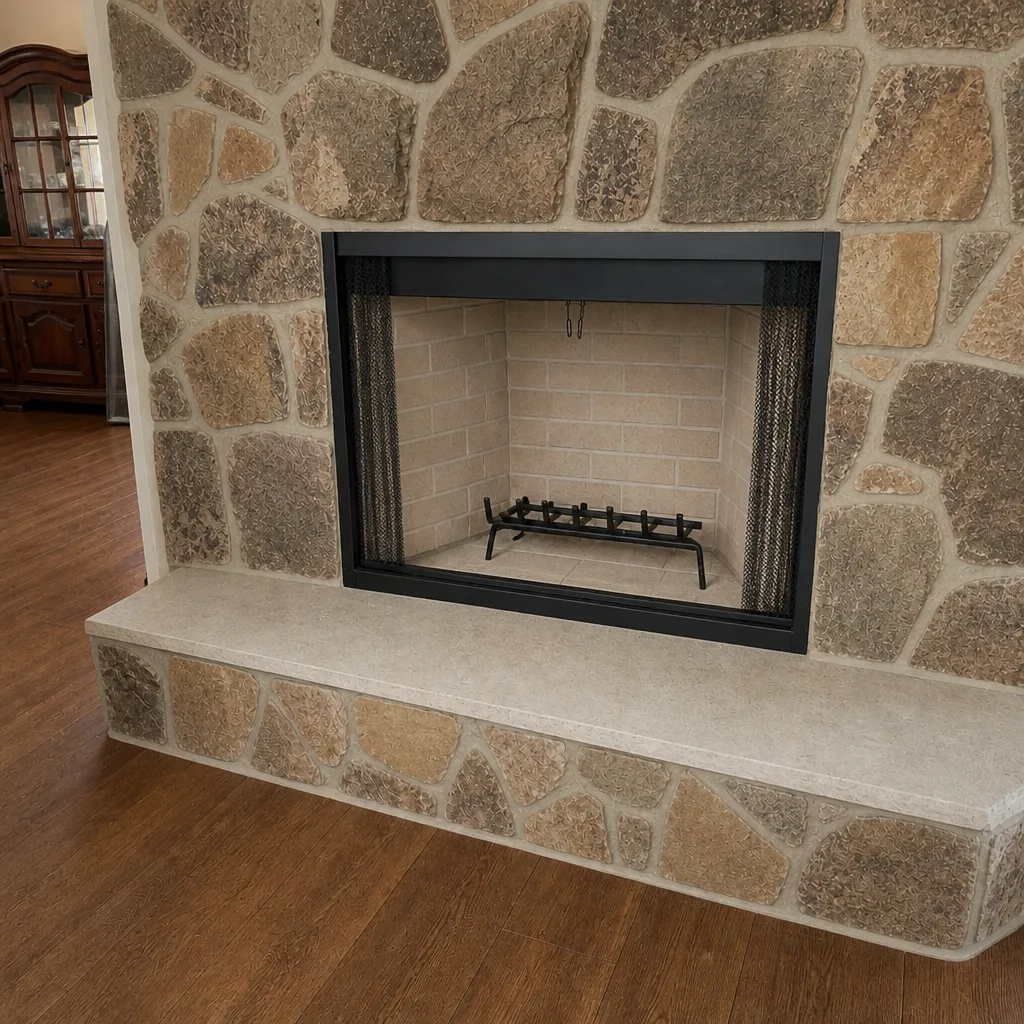
See the difference
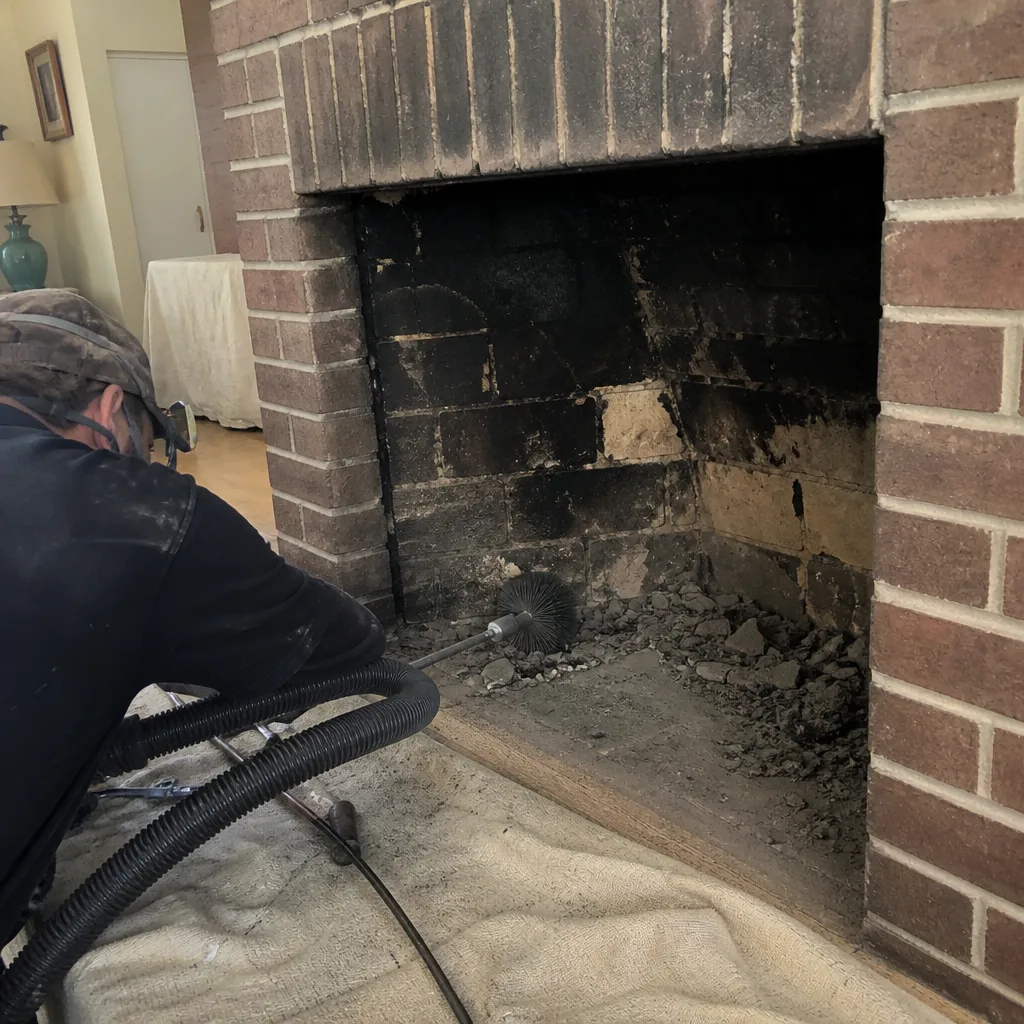 Before
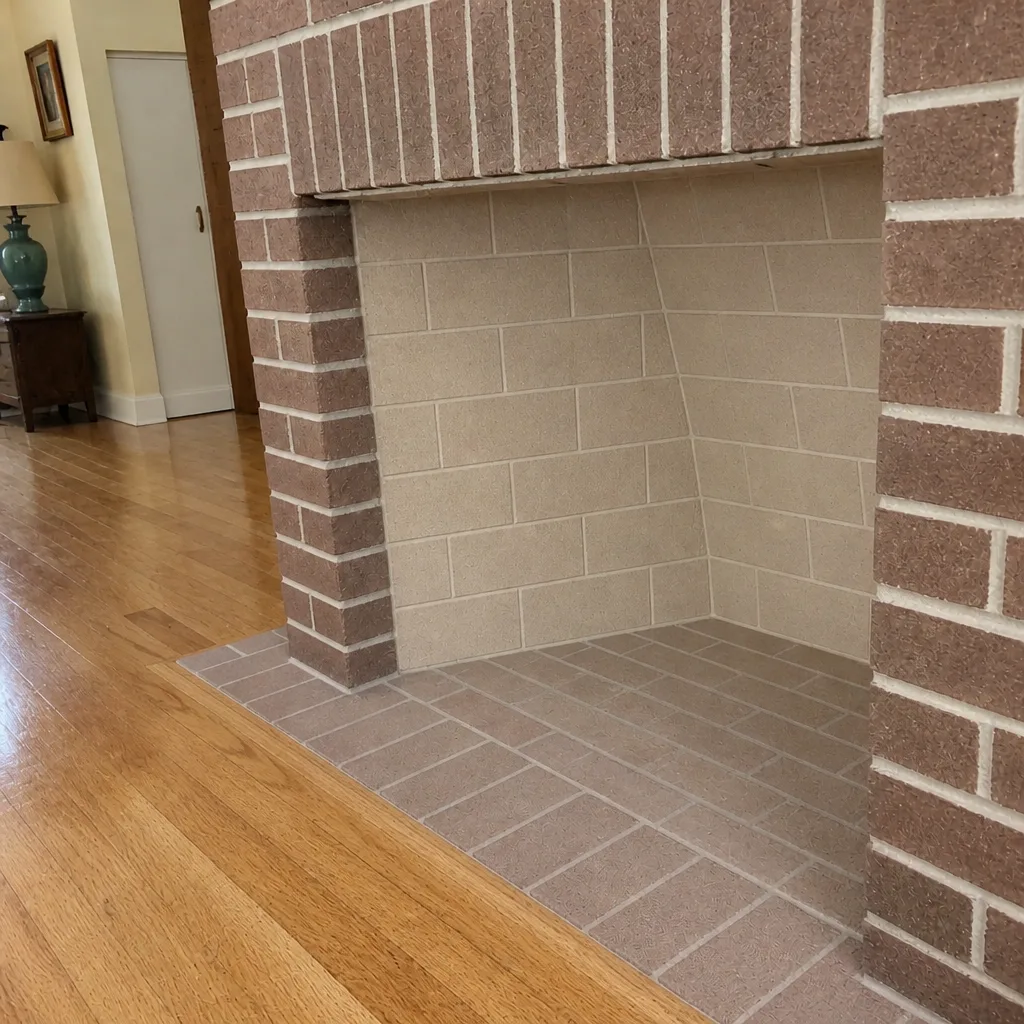 After
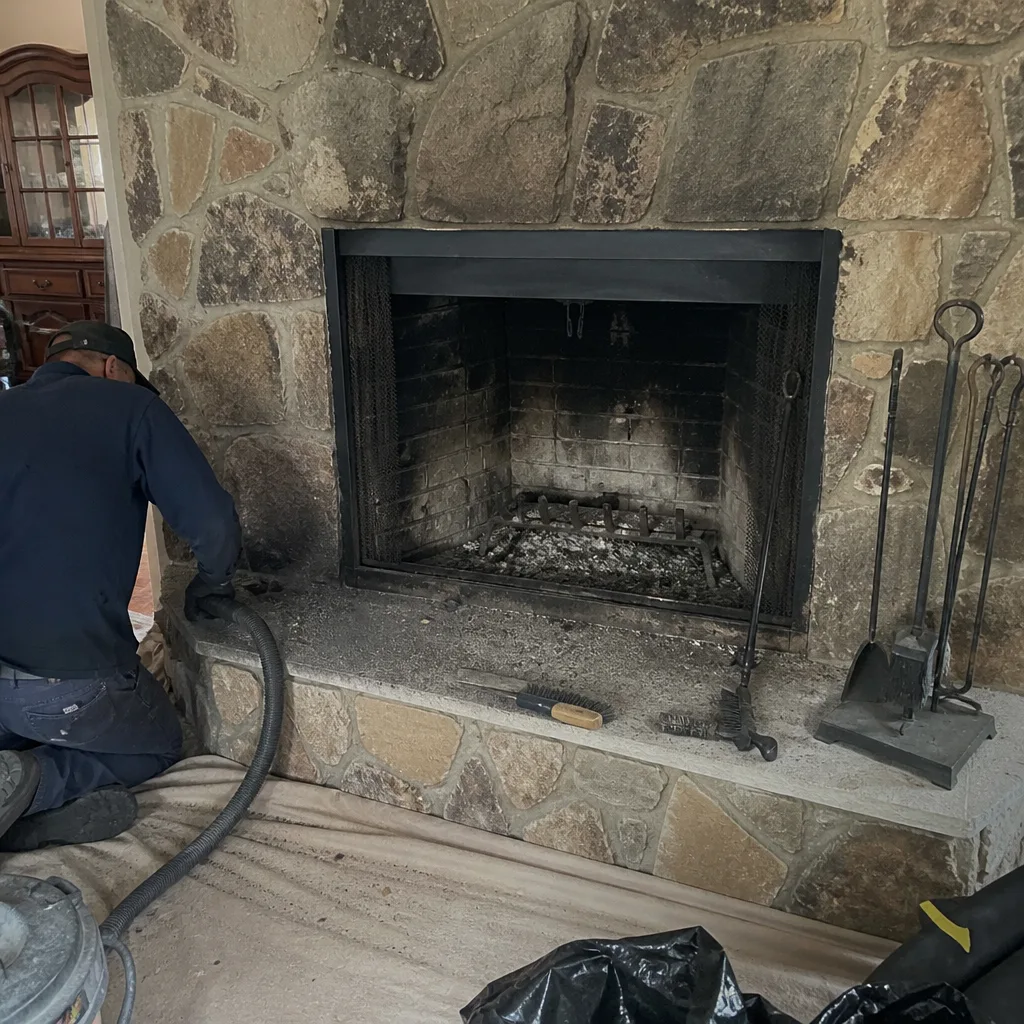 Before
 After
 Before
 After
When to Call a Professional
Some seasonal care is yours to do: looking up at the cap, watching how the fire behaves, checking the damper for visible creosote. But call a professional when you see smoke rolling into the room after the fire is established, water stains on the ceiling or efflorescence on the masonry, visible creosote on the damper plate, a change in fireplace odor, or a fire that suddenly struggles to draw. Call before every burning season for the sweep and inspection, and after every winter for the spring inspection. Call immediately if you’ve had a chimney fire, even a small one, because the heat can damage the liner in ways you can’t see.
Chimney Sweep Green Valley Ranch offers free estimates in Green Valley Ranch. Call (833) 918-5339. We answer 24/7. Fast dispatch from 7am to 7pm, Sunday through Friday. Our technicians have up to 15 years of experience, and we handle the sweep, the inspection, the cap and crown, and any repair the inspection turns up, so one team stays accountable from diagnosis through completion.
Frequently Asked Questions
Once a year before the burning season is the baseline for most homes, plus an inspection after winter to catch freeze-thaw damage. If you burn heavily, burn unseasoned wood, or notice creosote building up on the damper plate, a mid-season check is worth it. Call (833) 918-5339 for an exact quote; estimates are free.
The fall sweep answers whether the flue is clean; the spring inspection answers whether the winter damaged it. Green Valley Ranch’s freeze-thaw cycles work on the crown, flashing, and mortar joints through the cold months, and the damage shows up in spring. The two checkpoints look for different problems. Call (833) 918-5339 to book the spring inspection.
Small problems get a full season to grow. A hairline mortar crack takes in water through the winter and opens wider. A bird nest sits in the flue all summer and blocks the draft in fall. Creosote builds through the burning season and becomes chimney-fire fuel. None of that is a scare tactic; it’s just how the seasons work on a chimney. Call (833) 918-5339 for an inspection before the next season starts; estimates are free.
Sometimes resurfacing is enough. HeatShield resurfacing can restore a deteriorating liner in many cases without a full replacement, and it’s a repair option many chimney companies can’t offer. The only way to know is a camera inspection, and you should see the footage before deciding. Call (833) 918-5339 to book the inspection; estimates are free.
No. A gas fireplace doesn’t produce creosote, but its vent still needs inspection for obstruction, draft problems, and corrosion, and carbon monoxide is a risk with any fuel-burning appliance. It deserves the same seasonal checkpoints as a wood-burning fireplace. Call (833) 918-5339 for the inspection; estimates are free.
Yes, within limits. From the ground, look at the cap with binoculars for missing or damaged screening. From the firebox, shine a flashlight up at the damper and smoke shelf for visible creosote. Don’t climb the roof, and don’t try to inspect the flue above the damper yourself; that needs a camera. For anything that looks wrong, call (833) 918-5339; estimates are free.
The Bottom Line
Chimney care in Green Valley Ranch works best as four checkpoints, not one annual event. Spring is for catching what winter did to the crown, flashing, and mortar. Summer is for making sure the cap and screening keep pests and debris out while the fireplace sits idle. Fall is for the sweep and camera inspection before the first fire, so you burn on a clean, inspected flue. Winter is for watching how the fireplace behaves and acting on warning signs early. The shoulder seasons quietly stress the liner through condensation, which is why the spring inspection matters as much as the fall sweep. Stay ahead of the failure curve instead of chasing it, and call when something changes.
Call (833) 918-5339 for a free estimate. We answer 24/7. Fast dispatch from 7am to 7pm, Sunday through Friday. Whether you need the routine sweep and inspection, a cap and crown checked before summer, or a repair the camera turns up, one team handles the full scope from diagnosis through completion. Learn more about Chimney Sweep Green Valley Ranch and how we work.
Written by the team at Chimney Sweep Green Valley Ranch.